
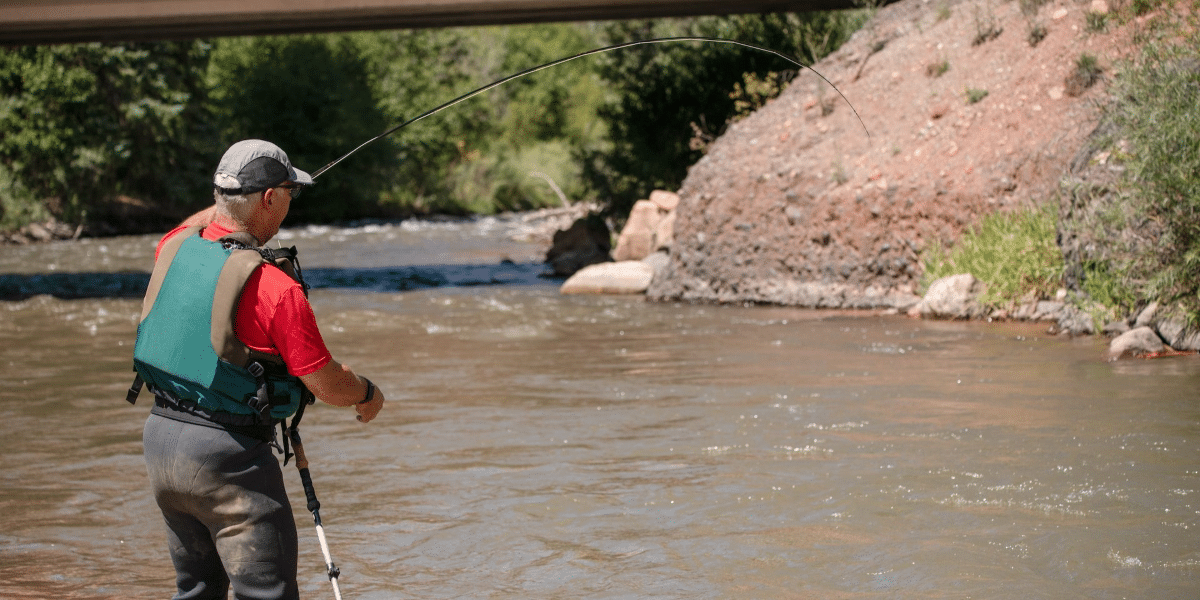





Spending long hours out on the water in pursuit of fish can be highly rewarding. Nevertheless, extended exposure to the sun’s harmful UV rays places anglers at risk of developing skin cancer, sunburn, and premature wrinkles. It is crucial to use proper sun protection to ensure safety and comfort while fishing. This article will dive into the importance of sun protection for anglers and provide useful tips on choosing the right sunscreen, protective fishing clothing, and accessories.
The Importance of Sun Protection for Anglers

According to the Skin Cancer Foundation, skin cancer is the most common cancer in the United States, with one in five Americans developing this condition by age 70. It is a disease that can be prevented by reducing exposure to the sun’s UV radiation. The American Academy of Dermatology Association states that sun exposure is the most preventable risk factor for skin cancer.
Prolonged exposure to the sun puts anglers at a particular risk. The National Institute for Occupational Safety and Health (NIOSH) reports that fishermen have a higher chance of developing skin cancer than the general population due to excessive sun exposure on the job. Prioritizing skin protection should be paramount for anglers.
Why Do You Need Sun Protection When Fishing?
Being on the water exposes you directly to sunlight reflecting off the surface, effectively doubling UV exposure. Anglers are exposed to the sun’s rays for hours at a time – while driving to fishing spots, setting up equipment, waiting for fish to bite, and traveling between locations. Sun protection is often overlooked while focused on the fishing activity itself.
In addition to melanoma and other skin cancers, excessive sun exposure also causes sunburns, vision problems, premature wrinkling, and aging of the skin. Anglers who spend years fishing without sun protection are prime candidates for developing sun-related health issues. Prioritizing sun safety is crucial for maintaining good health and continuing to enjoy fishing well into your later years
Tips for Staying Protected from the Sun While Fishing
Here are some practical tips for anglers to stay protected from the sun’s harmful rays on fishing trips:
Choose Sun-Protective Fishing Apparel
- Look for fishing shirts and pants made with fabric that blocks UV radiation. Synthetic fibers like nylon and polyester have built-in sun protection.
- Wear Best fishing clothing with a tight weave and darker colors, which offer more sun protection than loose, light fabrics.
- Choose fishing hats and gloves with Solar Protective Factor (SPF) ratings for adequate sun defense.
Choose Sunscreen Wisely
- Use sunscreen with an SPF of at least 30. The American Cancer Society recommends using broad-spectrum sunscreen, which protects against both UVA and UVB rays.
- Opt for water-resistant sunscreen to avoid having to reapply as frequently. Reapply every two hours when outdoors.
- Apply sunscreen generously 15 to 30 minutes before going out in the sun. Don’t forget easily missed spots like the lips, ears, and back of the neck.
Seek Shade When Possible
- Fish early in the morning or later in the afternoon when the sun’s rays are less intense. The National Oceanic and Atmospheric Administration (NOAA) suggests avoiding the sun between 10 AM to 4 PM.
- Fish from shaded areas like under trees, cliffs, or boat canopies when possible. This reduces direct sun exposure.
- Take breaks in shaded areas to give your skin relief from the harsh sun.
Wear Protective Clothing and Accessories
- Cover up with lightweight, breathable, and tightly woven long-sleeved shirts and pants.
- Wear a wide-brimmed hat to protect the face, ears, and neck. Baseball caps do not provide adequate coverage.
- Use sunglasses with 99-100% UVA/UVB protection. Wraparound styles help reduce sunlight entering from the sides.
- Wear fingerless gloves made of lightweight, breathable fabric to protect your hands from the sun.
Sun Exposure You Face With Different Types of Fishing
Pole Fishing
This is fishing with a pole, line, hook, and bait or lure from shore or a pier. You cast your line out and wait for a bite. Then you reel in your catch! With pole fishing, you are mostly stationary on the beach or pier.
You get sun exposure on your whole body if fishing during the day. A hat, sunglasses, and sunscreen are important when pole fishing. In such situations, seeking shade under piers or trees helps minimize sun exposure.
Fly Fishing
This type of fishing uses special rods, lines, and lures to catch fish like trout. You wade into a shallow river or stream and cast your fly line across the water. Fly fishing takes concentration to land a catch.
Wading in water reflects some sun. But fly fishing involves a lot of sun exposure on your body as you cast your line. A wide-brimmed hat, long-sleeved shirt, and face cover protect better than sunscreen alone.
Ice Fishing
Ice fishing is catching fish through a hole cut in a frozen lake. You sit in a portable shelter or the open on the ice and drop your line through the hole. It takes patience for a bite.
Ice fishing exposes your face and hands to the sun reflecting off the ice and snow. Use SPF lip balm and hand cream. A face mask prevents glare blindness. Whenever possible, stay in a shelter with shade.
Bass Fishing
This targets fish like largemouth or smallmouth bass using artificial lures or live bait. Bass fishing happens from boats on lakes and rivers. You cast along weed beds, docks, and structures where bass lurk.
From an open boat, bass fishing exposes you fully. Use water-resistant SPF clothing and a wide-brim hat for protection. Seek shade under boat covers. Reapply sunscreen often when bass fishing.
Trolling
Trolling involves slowly dragging multiple fishing lines behind a moving boat to catch species like salmon or trout. Lines with bait or lure trails at different depths to attract fish.
Since trolling doesn’t involve casting, you can sit under a boat’s roof for shade. Install screens, curtains, or shades on boat windows to reduce glare from the water. Stay hydrated and use a marine lip balm.
Bowfishing
This unique method uses a bow and arrow to catch large fish like carp or gar. You stand on a boat or platform and shoot fish you spot in clear water. It takes skill to hunt fish this way.
Bowfishing exposes you fully to the sun as you stand scanning for targets. Use lightweight breathable clothing and regularly reapply water-resistant SPF. Take breaks from the sun when possible.
Bottom Fishing
Also called deep sea fishing, this involves using heavy weights to get bait and hooks to the ocean floor to catch big fish like snapper and cod. You fish from a boat over reefs and wrecks.
On offshore boats, radar towers provide shade for bottom fishing. Have eye protection against water glare. Opt for spray or stick sunscreens to reduce the need for frequent reapplication during extended fishing days.
Bottom Line
Anglers face a heightened risk of developing skin cancer and other sun-related conditions due to prolonged exposure while fishing.
Prioritizing sun safety by generously applying water-resistant broad-spectrum sunscreen, wearing protective clothing and accessories, and seeking shade go a long way in preventing sunburns, early skin aging, and skin cancer.
Prevent sun damage from hindering your enjoyment of your favorite fishing spots. Follow these sun protection tips to continue fishing comfortably for years to come.
Sponsored Post

