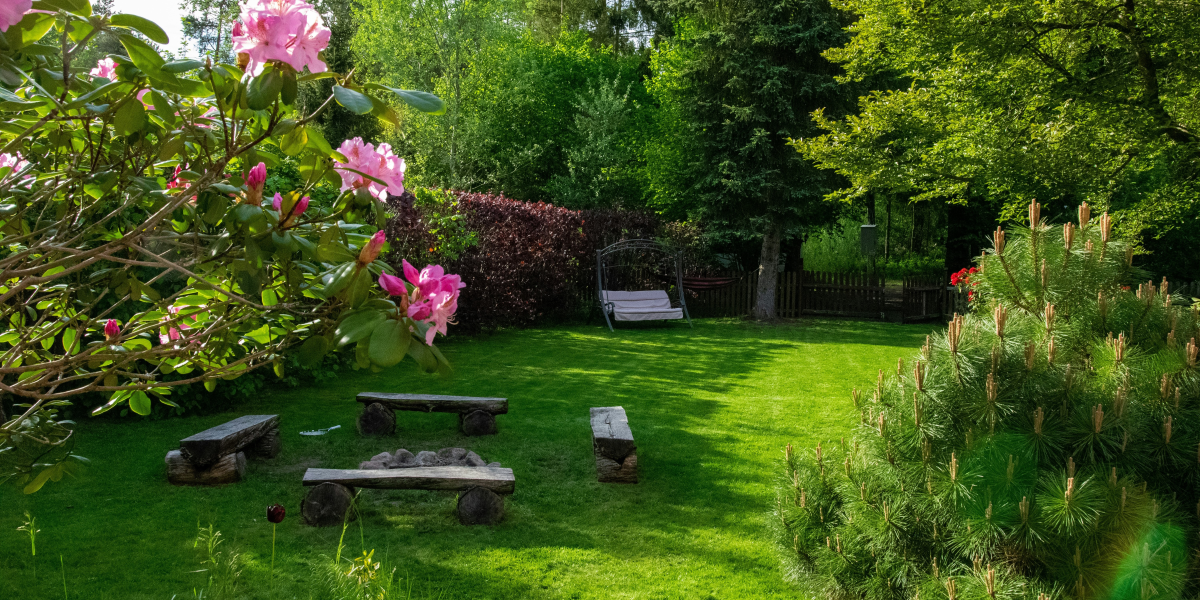




Creating a backyard oasis that is both vibrant and sustainable requires a thoughtful approach to gardening. By incorporating eco-friendly practices, you can cultivate a lush, thriving space that enhances your home and contributes positively to the environment. From selecting native plants to adopting water-saving techniques, these gardening tips will help you transform your outdoor area into a sustainable sanctuary.
Choosing Native Plants for a Thriving Ecosystem
One of the most effective ways to ensure a vibrant and sustainable garden is to choose native plants. Native species are well adapted to the local climate and soil, which means they require less water, fertilizer, and overall maintenance compared to non-native varieties. By selecting plants that naturally thrive in your area, you’re reducing your garden’s environmental impact and supporting the local ecosystem.
Planting native flowers and shrubs can attract various bird species, making birdwatching a delightful addition to your gardening routine. These plants provide essential food sources and habitats for local wildlife, creating a balanced ecosystem right in your backyard. For instance, consider planting milkweed to support monarch butterflies or wildflowers like coneflowers and black-eyed Susans, which are magnets for pollinators such as bees and hummingbirds.
In addition to benefiting wildlife, native plants can enhance the aesthetic appeal of your garden. They come in a variety of colors, textures, and forms, allowing you to create a visually stunning landscape that reflects the natural beauty of your region. Whether you’re looking to design a wildflower meadow, a woodland garden, or a coastal retreat, there are native plant options to suit every style and preference.
Water Conservation Techniques for a Sustainable Garden
Water is a precious resource, and conserving it is crucial to maintaining a sustainable garden. Several effective techniques can help you minimize water usage while still keeping your garden lush and vibrant. One of the most impactful methods is implementing a rainwater harvesting system. By collecting and storing rainwater, you can reduce your reliance on municipal water supplies and ensure that your plants receive natural, untreated water that’s free of chemicals.
Drip irrigation is another excellent water-saving technique. Unlike traditional sprinklers, which can waste water through evaporation and runoff, drip irrigation delivers water directly to the roots of your plants, minimizing waste and promoting deeper root growth. This method is particularly effective for watering trees, shrubs, and vegetable gardens, where precise watering can significantly affect plant health and yield.
Mulching is also an essential practice for conserving water in your garden. Applying a thick layer of organic mulch around your plants can help retain soil moisture, reduce evaporation, and suppress weed growth. Mulch also improves soil health over time, breaking down and adding valuable nutrients back into the soil. Consider using locally sourced materials such as wood chips, straw, or composted leaves to reduce your garden’s carbon footprint.
Composting and Soil Health for a Vibrant Oasis
Healthy soil is the foundation of a vibrant garden, and composting is one of the ways to enhance soil fertility naturally. By recycling kitchen scraps, yard waste, and other organic materials into compost, you can create a nutrient-rich amendment that boosts plant growth and improves soil structure. Composting reduces the need for chemical fertilizers, which can be harmful to the environment, and helps retain moisture in the soil, further aiding in water conservation.
Start by setting up a compost bin or pile in a convenient location in your backyard. Add a mix of green materials (such as vegetable peels, coffee grounds, and grass clippings) and brown materials (like dried leaves, straw, and cardboard). Turn the pile regularly to aerate it and speed up the decomposition process. In just a few months, you’ll have a dark, crumbly compost ready to be worked into your garden beds.
Incorporating compost into your soil enriches it with essential nutrients and encourages beneficial microbial activity. These microbes help break down organic matter, making nutrients more available to plants and promoting a healthy root environment. Additionally, compost improves soil structure, increasing its ability to hold water and reducing the need for frequent watering.
For the ideal results, apply compost in the spring and fall, when plants are actively growing and can benefit most from the added nutrients. Whether you’re growing flowers, vegetables, or shrubs, composting is a simple yet powerful way to support the health and vitality of your garden, ensuring it remains a vibrant oasis for years to come.
By embracing sustainable gardening practices like planting native species, conserving water, and enriching soil through composting, you can create a backyard oasis that is not only beautiful and vibrant but also environmentally responsible.
Published by: Holy Minoza