





Slow breathing is a simple yet powerful practice that can have profound effects on one’s physical and mental well-being. By consciously slowing down the breath and focusing on deep, intentional inhalations and exhalations, individuals can activate numerous health benefits. This explores the key advantages of slow breathing, including its impact on relaxation, stress reduction, cardiovascular health, and overall longevity.
Slow breathing is one of the effective ways to induce relaxation and reduce stress. When a person breathes slowly, it activates the body’s natural relaxation response, helping to calm the mind and reduce tension in the body. This process is a direct counter to the body’s stress response, which triggers the release of hormones such as cortisol and adrenaline. Slow breathing, on the other hand, encourages the production of endorphins and other calming neurotransmitters, which help to counteract feelings of anxiety and promote a sense of peace. Regularly practicing slow breathing can lead to long-term stress management and improve overall emotional resilience. By integrating slow breathing into daily life, individuals can better handle stressful situations and maintain emotional balance.
How Deep Breathing Activates the Parasympathetic Nervous System
Slow, deep breathing is more than a relaxation technique—it’s a physiological switch that helps recalibrate the nervous system. By engaging the diaphragm and extending each inhale and exhale, the body signals the parasympathetic nervous system to take charge. This system, often referred to as the “rest and digest” mode, counteracts the stress-driven responses of the sympathetic nervous system. As oxygen intake increases and carbon dioxide levels stabilize, the body begins to slow its heart rate, relax tense muscles, and reduce the production of stress hormones like cortisol. These changes create a cascade of calming effects that support both physical recovery and emotional balance.
Incorporating deep breathing into daily routines can be transformative, especially during moments of anxiety, fatigue, or overwhelm. Techniques such as box breathing, 4-7-8 breathing, or abdominal breathing are accessible and require no equipment—just intention and practice. Over time, consistent use of these methods can improve sleep quality, sharpen focus, and even support immune function. Whether used in meditation, yoga, or brief pauses throughout the day, deep breathing empowers individuals to take control of their stress response and cultivate a sense of inner stability. It’s a simple yet profound tool for enhancing overall well-being.
The Role of Slow Breathing in Lowering Blood Pressure
Slow breathing is a simple yet powerful technique that directly supports cardiovascular health by influencing the autonomic nervous system. When practiced consistently, it activates the parasympathetic response, which helps counteract the stress-driven spikes in blood pressure. This relaxation response leads to the dilation of blood vessels, improved circulation, and reduced workload on the heart. As a result, both systolic and diastolic blood pressure can decrease, offering a natural and non-invasive way to manage hypertension. The cumulative effect of regular slow breathing may significantly lower the risk of heart disease, stroke, and other complications associated with high blood pressure.
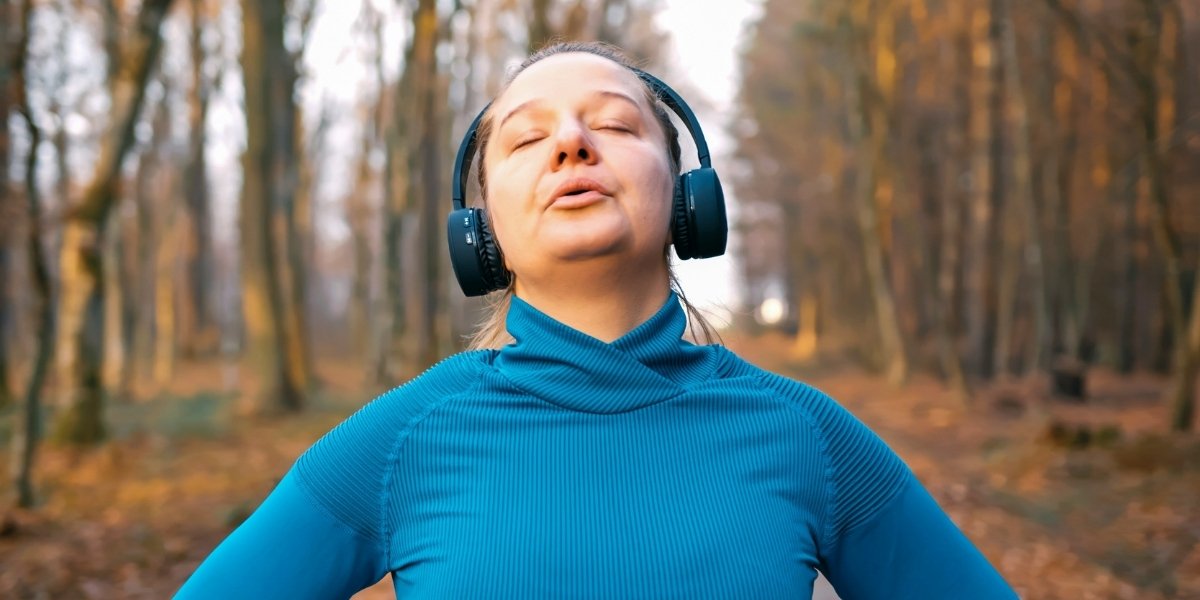
Health professionals increasingly advocate for slow breathing exercises as part of a holistic approach to heart health. These techniques—such as paced breathing, 4-7-8 breathing, or guided breathwork—can be easily integrated into daily routines and require no special equipment. For individuals already managing high blood pressure, slow breathing serves as a valuable complement to medication and lifestyle changes. For others, it offers a proactive strategy to maintain healthy blood pressure levels and reduce stress. As awareness grows around the connection between breath and heart function, slow breathing is gaining recognition not just as a wellness trend, but as a clinically supported tool for long-term cardiovascular resilience.
Techniques for Practicing Slow, Deep Breathing
Slow, deep breathing techniques offer a versatile toolkit for enhancing both physical and mental well-being. Diaphragmatic breathing, often referred to as belly breathing, is especially effective for grounding the body and calming the nervous system. By consciously engaging the diaphragm and observing the rise and fall of the abdomen, individuals can promote full lung expansion and stimulate the parasympathetic nervous system—our body’s natural mechanism for rest and recovery. This technique is particularly useful during moments of anxiety, before sleep, or as part of a mindfulness routine. It’s simple, accessible, and can be practiced virtually anywhere.
Other methods, like box breathing and progressive muscle relaxation, add structure and depth to the practice. Box breathing, with its rhythmic four-count pattern, is favored by athletes, performers, and even military personnel for its ability to sharpen focus and regulate stress. Meanwhile, progressive muscle relaxation pairs breath with intentional muscle tension and release, helping to identify and dissolve areas of physical strain. These techniques can be tailored to individual preferences, making them suitable for beginners and seasoned practitioners alike. Whether used to manage stress, improve sleep, or enhance emotional resilience, slow breathing practices are a powerful, low-effort way to support holistic health.
The Connection Between Slow Breathing and Longevity
Emerging research suggests that slow breathing may have a link to longevity, contributing to a longer and healthier life. One of the ways slow breathing may promote longevity is by reducing chronic stress, a major contributor to many age-related diseases, including heart disease, stroke, and certain cancers. Regular practice of slow breathing helps manage stress, decrease inflammation, and improve immune function, all of which play a role in extending lifespan. Additionally, slow breathing is thought to improve overall brain health by increasing oxygen flow and promoting better neural function. By slowing down the breath and incorporating it into daily routines, individuals can support their long-term health, protect against premature aging, and maintain both physical and mental vitality well into old age.
In conclusion, the practice of slow breathing offers a simple yet highly effective way to improve health and well-being. From reducing stress and anxiety to lowering blood pressure and potentially increasing lifespan, slow breathing has a wide range of benefits. By adopting slow breathing techniques as part of a regular self-care routine, individuals can tap into the profound advantages of this practice and enhance their overall quality of life.