




If you’ve ever wondered why your carpet still looks worse for wear even after you’ve vacuumed it three times, you’re not alone.
The truth is, regular vacuuming only tackles the surface dirt, leaving all the grime, dust mites, and mystery stains buried deep in the fibres.
That’s where steam cleaning comes in. It uses heat, water, and a bit of science to lift out the nasties that have been buried in your carpet for who knows how long.
So, if you’re curious about how it all works, stick around. We’re about to break down the science without turning this into a chemistry lecture.
What Actually Happens During Steam Cleaning
Let’s start with the basics. Steam cleaning, which the experts call “hot water extraction,” isn’t just about spraying hot water on your carpet and hoping for the best.
The machine heats water to around 90 degrees Celsius, turning it into pressurised steam. This steam gets forced deep into the carpet fibres, where it loosens dirt, oils, and allergens that have settled in over time.
Here’s the simple science behind it: heat breaks down the molecular bonds in grease and grime, making them easier to remove. This is why hot water tends to work better than cold when cleaning, as it can more effectively loosen dirt and grime.
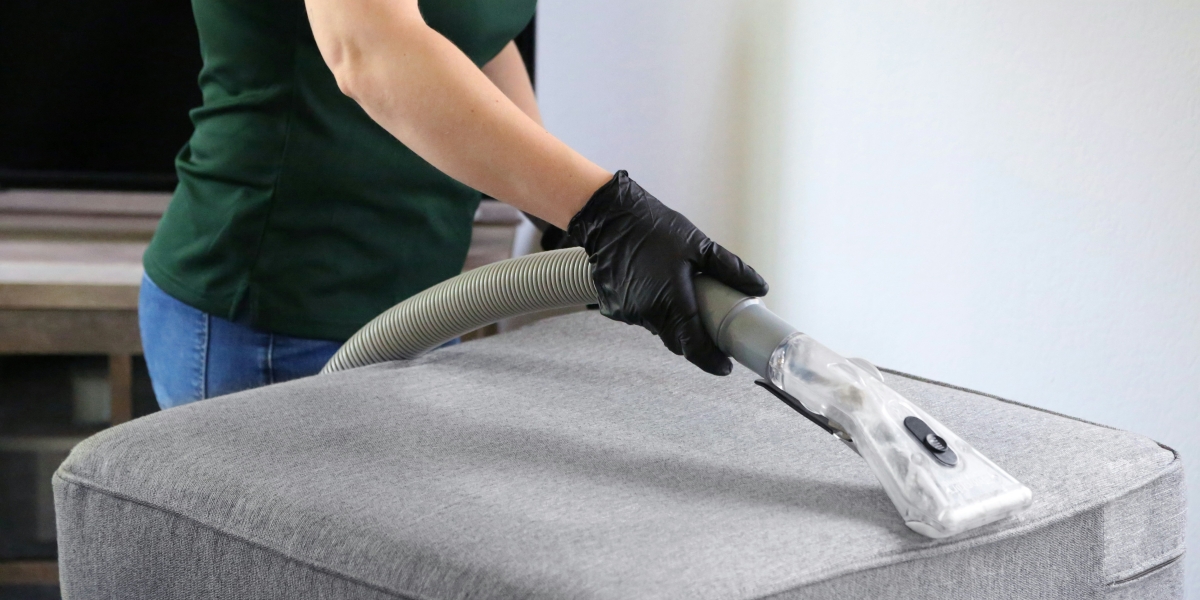
Once the steam has done its job, the machine uses powerful suction to extract the water along with all the dissolved dirt. What you’re left with is a carpet that’s clean right through the fibres, not just on the surface.
Why Heat Is the Secret Weapon
It might seem like any water should work, but cooler temperatures simply won’t get the same results. Heat is what makes steam cleaning so effective, and there’s proper science behind it.
When water reaches high temperatures, it becomes a natural solvent. This means that it can break down oils, grease, and sticky residues, which regular water may have difficulty doing.
Heat also kills bacteria, dust mites, and mould spores lurking in your carpet. These microscopic troublemakers thrive in warm, dark spots deep in the fibres, but they likely can’t survive the high temperatures that steam cleaning delivers.
Plus, hot water opens up the carpet fibres, allowing the cleaning solution to work its way further in. Think of it as opening the pores on your skin before applying a face mask, except your carpet doesn’t complain about it afterwards.
The Role of Cleaning Solutions
Now, steam cleaning doesn’t rely on heat alone. Most professional cleaners use specially formulated cleaning solutions mixed with water to boost the results.
These solutions contain surfactants—molecules that bind to both water and oil. One end grabs onto grease and dirt, while the other links up with water, creating a pathway for the grime to be washed away.
You can think of surfactants as tiny magnets that latch onto stains so the water can actually lift them out. Without them, water would just slide off oily patches, leaving the carpet looking much the same as before.
The best part? Professional-grade solutions are designed to be carpet-safe and often eco-friendly, so you’re not trading clean floors for a chemical nightmare.
How Suction Completes the Process
One thing many people overlook is that the water isn’t left to soak into your carpet. The extraction phase is just as important as the steam.
After the hot water and cleaning solution loosen the dirt, the machine uses powerful suction to pull everything back out. Unlike your regular vacuum, a steam cleaner can reach deep into the carpet to pull out both moisture and stubborn grime.
The goal here is to remove as much water as possible, along with all the dissolved grime. If too much moisture gets left behind, you risk mould growth or that musty smell nobody wants.
Good steam cleaners can extract up to 95% of the water they inject, leaving your carpet damp rather than drenched. This is why carpets typically dry faster than if too much moisture were left behind.
The Drying Process Matters
Once the steam cleaning is done, your carpet needs time to dry properly. This isn’t just about convenience. It’s crucial for preventing mould and keeping your carpet in top shape.
Most carpets take between four and six hours to dry completely, depending on airflow, humidity, and how thick the pile is. You can speed things up by opening windows, running fans, or cranking the air conditioning.
Whatever you do, resist the urge to walk on the carpet while it’s still damp. Not only will you leave footprints, but you’ll also push dirt from your shoes back into the freshly cleaned fibres. Taking time to allow for proper drying can contribute to long-term carpet maintenance.
If you’re worried about the wait, professional cleaners often use high-powered drying equipment that cuts the time in half. It’s just one more reason to leave it to the experts.
What Makes Steam Cleaning Better Than Other Methods
You’ve probably seen those carpet shampooers at the supermarket or considered renting one for a weekend. So why bother with steam cleaning instead?
For starters, shampooing leaves residue behind. That soapy film attracts dirt like a magnet, which means your carpet gets dirtier faster than before. It’s a vicious cycle that keeps you cleaning more often.
Steam cleaning, on the other hand, uses minimal cleaning solution and rinses it away completely. There’s no sticky residue left behind to trap new dirt, so your carpet stays cleaner for longer.
It’s also the only method recommended by most carpet manufacturers. If you want to help maintain your warranty and keep your fibres in good shape, steam cleaning tends to be the preferred choice.
When to Call in the Professionals
You might be tempted to tackle steam cleaning yourself, especially with all the rental machines available. But here’s the honest truth: DIY equipment doesn’t come close to professional gear.
Rental machines lack the heating power and suction strength needed for a proper deep clean. They’re fine for quick touch-ups, but they likely won’t remove embedded dirt or restore your carpet as the pros can.
Carpet steam cleaning professionals also know how to adjust their technique based on your carpet type. Wool, nylon, and polyester all need different approaches, and using the wrong method can damage the fibres or leave them looking dull.
They’ll also catch potential problems, like weak seams or hidden water damage, before they turn into bigger headaches. In some cases, having the experts on hand may help prevent larger issues from developing.
Summary
There you have it—the science behind steam cleaning, minus the lab coat and goggles. It’s not just hot water doing the work, but heat, chemistry, and powerful extraction all at play.
If your carpet is looking like it has seen better days, it might be time to give steam cleaning a try. Your floors will thank you, allergies might settle, and that mystery stain near the couch could finally be gone.