



Choosing a wedding band or an anniversary gift is often a balancing act between aesthetic beauty and practical longevity. Among the most popular choices for diamond bands are the full eternity ring and the half-eternity ring. Both styles offer incredible brilliance and symbolize everlasting love, but they differ significantly when it comes to daily wear and tear.
If you lead an active lifestyle or simply want to make sure your jewelry lasts for as long as possible, the question of durability is an important consideration. In this guide, we will break down the structural differences between these two coveted styles to help determine which setting is likely to be the tougher contender.
Understanding the Contenders
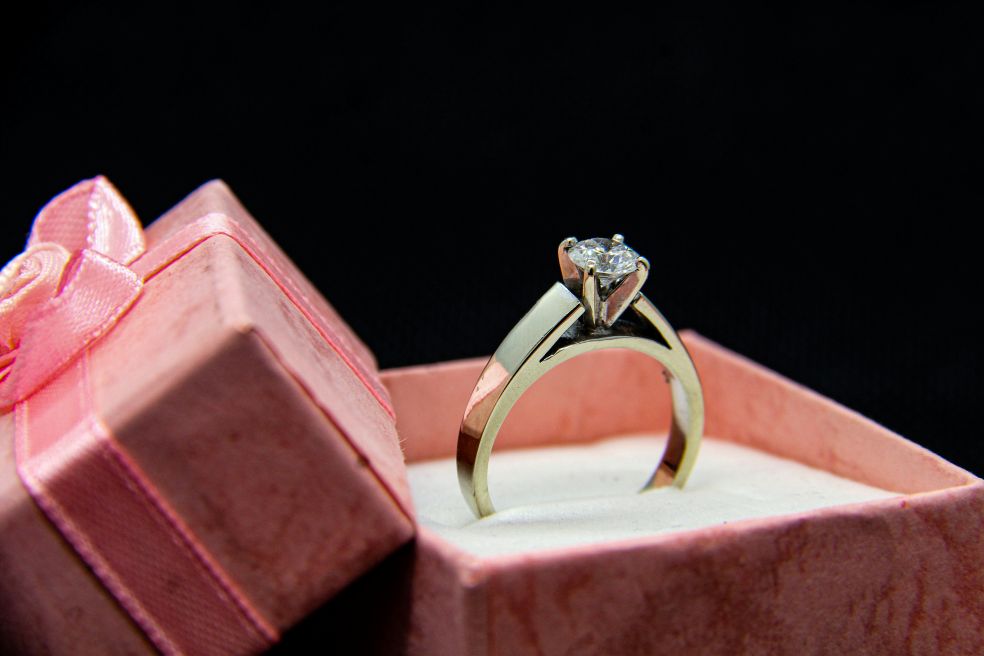
Before diving into durability, it is essential to define exactly what sets these two designs apart.
The Full Eternity Ring: This design features a continuous line of identically cut gemstones, usually diamonds, set all the way around the metal band. There is no clear beginning or end, symbolizing eternal love. The primary appeal is that no matter how the ring spins on your finger, it tends to display sparkle.
The Half-Eternity Ring: As the name implies, diamonds cover only the face of the ring, typically spanning 50 percent to 75 percent of the band’s circumference. The underside of the ring remains solid metal (usually platinum or gold). This design mimics the look of a full eternity ring from the top down but functions differently structurally.
The Durability Showdown
When asking which ring might be more durable, the answer often leans toward the half-eternity ring. Here is why the structural differences matter significantly for long-term wear.
1. Impact Risk and Exposure
The biggest vulnerability of a full eternity ring is the placement of stones on the underside of the finger (the palm side). Throughout the day, your hand comes into contact with countless hard surfaces. You grab door handles, grip steering wheels, lift weights at the gym, or type on a keyboard.
With a full eternity ring, the diamonds on the bottom are often subjected to friction and impact. This could increase the risk of:
- Prongs bending or breaking.
- Diamonds becoming loose and falling out.
- Stones chipping or cracking against hard surfaces.
In contrast, a half-eternity ring features a solid metal shank on the underside. Metal is malleable and can tolerate impacts that could potentially shatter or dislodge a stone. If you bang the bottom of a half-eternity ring against a table, you might get a small scratch on the gold, but it is unlikely you would lose a diamond.
2. Structural Integrity
Rings are not perfectly rigid; they can flex slightly under pressure. When you grip something tightly, the bottom of the ring absorbs that pressure.
In a full eternity setting, there is less metal to hold the ring’s circular shape because the band is interrupted by stone settings. A solid metal bottom on a half-eternity ring adds significant structural rigidity, which may help prevent the ring from warping out of round over time.
Sizing and Future Adjustments
Durability is not just about whether the ring breaks today; it is about whether the ring can withstand changes over time. Our finger sizes fluctuate due to pregnancy, weight changes, temperature, and aging.
Full Eternity: These are generally difficult, and sometimes impossible, to resize. Because the diamonds go all the way around, there is no plain metal to cut and solder. If your finger size changes significantly, you may need to reset all the stones into a completely new band.
Half-Eternity: These tend to be easier to resize. A jeweler can work on the plain metal section at the bottom of the band to size it up or down without disturbing the diamond settings on top. This makes the half-eternity ring a much more “durable” choice in terms of longevity of use.
Comfort and Daily Wear
Comfort plays a huge role in how “wearable” a ring is. Full eternity rings tend to be thicker between the fingers because of the height of the diamonds and prongs. Some wearers find this irritating, especially if the prongs rub against the adjacent fingers.
Half-eternity rings allow for a lower profile on the sides and bottom, providing a smoother feel between fingers and against the palm. This reduced friction may also mean less wear on the prongs themselves.
Making the Right Choice for Your Lifestyle
While the full eternity ring offers 360 degrees of glamour, the half-eternity ring is the pragmatic champion. However, this doesn’t mean you should avoid purchasing a full eternity band. If you work in an office setting and are generally careful with your jewelry, a full eternity ring could potentially last a lifetime.
However, if you work with your hands, play sports, or would like the flexibility of easy resizing, the half-eternity is likely the superior option. As you take time to explore women’s wedding rings, consider how active your hands are on a daily basis. A ring that suits your lifestyle is ultimately the one that will stay on your finger the longest.
Summary
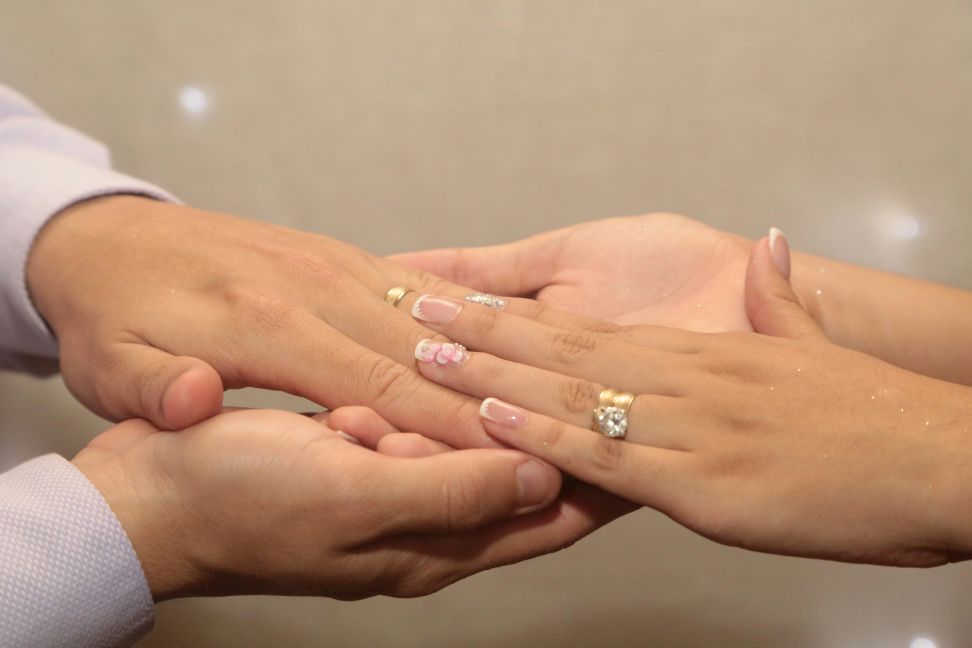
In the battle of durability, the half-eternity ring often takes the crown. The solid metal underside provides essential protection for the diamonds and allows for easy resizing, making it a practical choice for lifelong wear.
However, the full eternity ring remains a stunning choice for those who prioritize maximum sparkle and are willing to take extra care. Whichever style you choose, it’s a good idea to have the prongs checked by a jeweler annually to keep your diamonds distinct and secure.