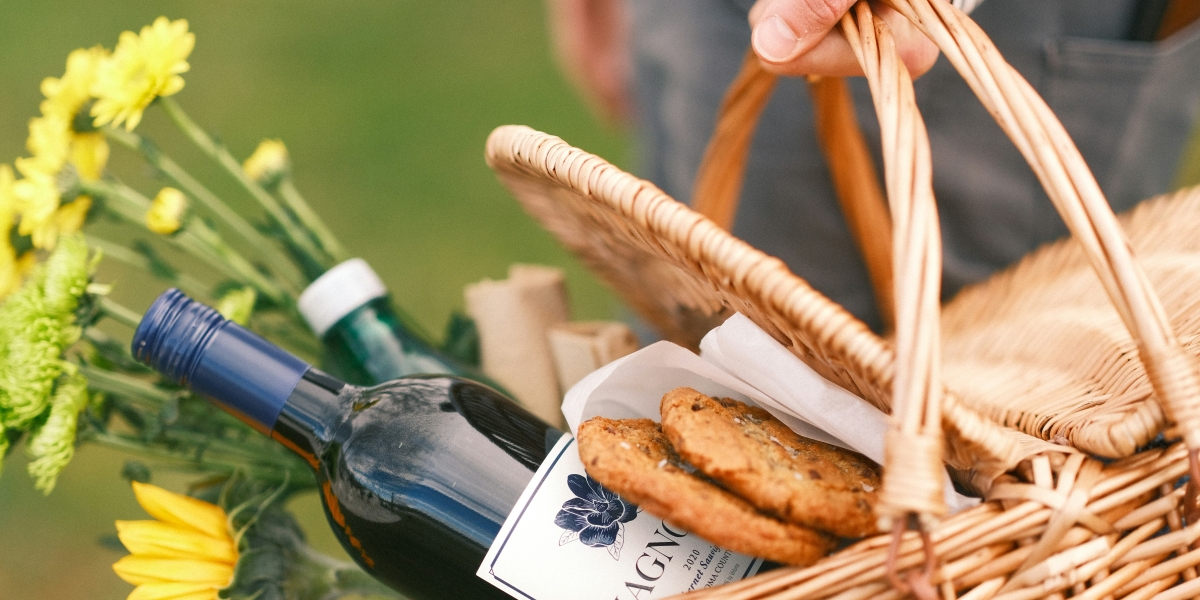




Food and wine matching is dynamic as clients are more daring, knowledgeable, and experience-oriented. What used to be dictated by strict regulations, red with meat, white with fish, has now become a more versatile and creative one and enjoys balance, exploration into different cultures, and one’s taste. Food and wine pairing trends this year are characterized by an increasing interest in authenticity, sustainability, and storytelling, and make the dining experience more immersive than ever before.
The following are the best food and wine pairing trends shaping menus, home entertaining, and gifting decisions this year.
1. Regional Pairings Inspired by Culinary Heritage
Among the year’s most powerful trends is the reversion to regional associations that embrace regional customs. People are not combining cuisines with wines from opposite sides of the planet, but rather combining those with the same roots. This strategy tends to make naturally harmonious matches, since the food and wine have developed together over the generations.
Certain foods, such as Italian cuisine, go well with Italian wines because of the similarities in acidity, structure, and flavor. This resurgence of interest in local harmony has also driven demand for refined experiences like italian food and wine gift baskets.
that enable recipients to experiment with classic combinations rooted in culinary history.
2. Lighter Wines with Flavor-Forward Dishes
With changes in eating patterns, where people are increasingly eating light, fresh food, wine tastes are following suit. Consumers are moving towards wines with lighter acidity, moderate alcohol, and clean finishes, rather than highly oaked or high-alcohol wines. These are excellent wines that pair well with vegetable-based foods, seafood, and world-inspired dishes.
Randomly imagine crisp whites and citrus-based sauces, lightly chilled reds and roasted vegetables, or sparkling wines and a range of small dishes. The trend represents a broader emphasis on balance, in which both food and wine can be complementary rather than dominant.
3. Elevated Comfort Food Pairings
Comfort food is now being repackaged with a more sophisticated aspect, and the wine pairings are also changing. Foods such as delectable mac and cheese, handcrafted pizzas, slow-roasted stews, and upscale burgers are now accompanied by carefully chosen wines that add richness to the menu without overloading the palate.
Even dry roses, medium-bodied reds, and expressive whites are being more carefully selected to fit these luxurious and familiar tastes. This tendency shows that wine pairing need not be formal; it can be friendly, warm, and, at the same time, elegant.
4. Plant-Forward Pairing Strategies
As plant-based and flexitarian diets gain prominence, food and wine pairing concepts are evolving to accommodate vegetable-based meals. Both chefs and home cooks are emphasizing texture, seasoning, and cooking techniques rather than protein as the main factor in pairing.
Vehicles for wines that focus on acidity and minerality include roasted vegetables, mushrooms with plenty of umami, legumes, and dishes mostly driven by herbs. This tendency promotes more conscious wine choice and demonstrates the versatility of wine with a wide variety of cuisines.
5. Sparkling Wine Beyond Celebrations
Sparkling wine has stopped being used on special occasions. This year, it is being adopted as a new everyday pairing category due to its adaptability and compatibility with food. It is very salty, fried, and deep food, which is why it goes very well with its natural acidity and effervescence.
Sparkling wine can be served with many kinds of cuisine, from brunch to dinner, making it an ideal drink for casual entertaining and tasting menus. This change indicates a less strict, more open-minded attitude toward wine enjoyment.
6. Experiential Pairing and Storytelling
People are adding more interest to the story about the food and drink they are drinking. Partnerships rooted in craftsmanship, provenance, and tradition are felt more, whether at a restaurant or at home. This tendency is particularly observable in sensory curations, theme dinners, and knowledge-based content, which explains the effectiveness of a pairing.
Learning about the grape varieties, production techniques, and the area will provide a layer into the pairing experience. Discovering some of the choices that bring out the good italian wine. One such storytelling method adds to the pleasure of enjoying classic dishes.
7. Pairing for Sharing and Gifting
Gifting styles are also changing due to food-and-wine pairing trends. Instead of individual bottles or individual food items, customized couplings are increasingly popular. These carefully curated assortments provide an all-inclusive experience and a deeper purpose in giving gifts.
Paring-based gifts are also practical and tangible, making them an attractive present for many for personal celebrations, corporate events, or even holidays. This trend highlights the idea that wine and food should be paired.
Final Thoughts
The trends in food and wine pairing this year reflect a wider expression of authenticity, harmony, and pleasure. Regional traditions and vegetarian cuisine, as well as sparkling wines and experiential gifting, however, pairing is not about the strict rules anymore; it is about making moments and flavors better.
With new tastes still being experimented with and conventional combinations still being observed, food and wine pairing is a readily available way to enhance both everyday dining and special occasions.
Disclaimer: Alcohol should be consumed responsibly and in moderation. The legal drinking age varies by location, and individuals are encouraged to adhere to local laws regarding alcohol consumption. Excessive drinking can have serious health and legal consequences. Please drink responsibly.