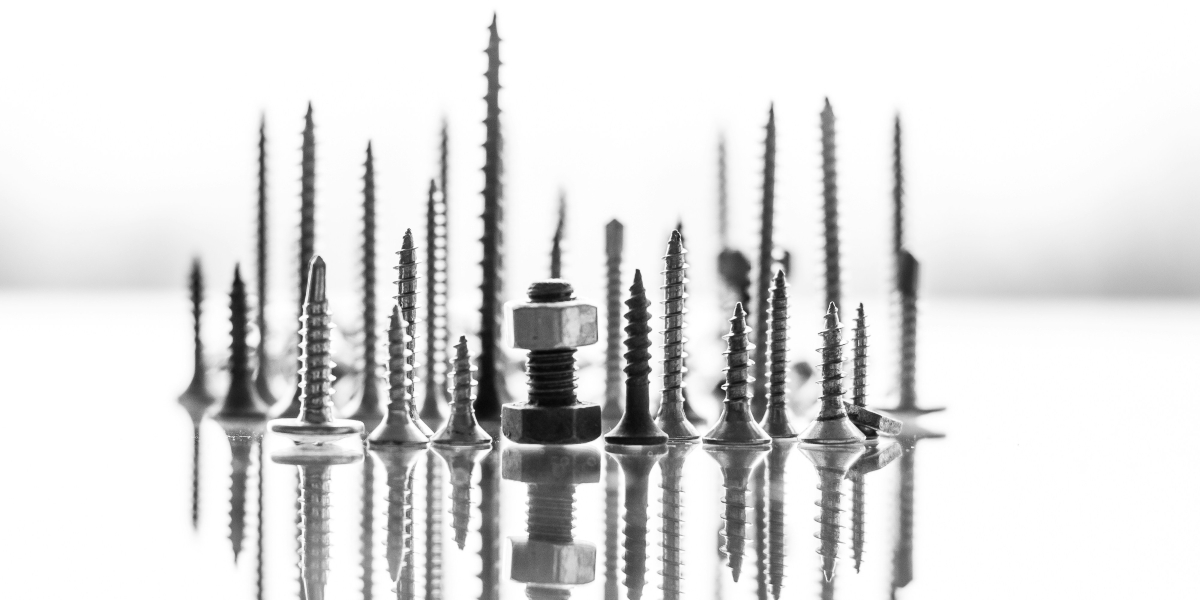





Durability often depends on details that rarely invite attention during routine use. Screws shape those details through balance, restraint, and mechanical discipline. Within furniture, fixtures, and assistive equipment, their role becomes quietly decisive. When materials age unevenly, fixings determine whether the strain distributes or concentrates.
Let us examine how wood screws support structural health across daily environments. We will focus on longevity, predictability, and safety rather than assembly speed.
How Wood Screws Influence Long-Term Structural Stability
Joints encounter structural stress long before visible failure appears. Screws respond to vibration, humidity, and repeated load cycles with measurable consequences. Attention to their behaviour reveals why longevity depends on precision, not quantity.
You benefit from controlled thread engagement that reduces micro movement between joined surfaces.
You avoid progressive loosening when torque aligns with material density and grain orientation.
You support even load transfer, which limits fatigue across adjoining components.
After extended use, wood screws demonstrate value through resistance to pull out and rotation. This resistance protects joints from widening, cracking, or gradual misalignment. Such outcomes matter where stability supports daily function and personal safety.
Why Wood Screws Matter in High-Use Living and Care Environments
You rely on consistency within environments that demand hygiene and reliability. Beds, storage units, and support fittings face constant interaction and cleaning exposure. Fasteners influence whether maintenance preserves integrity or accelerates wear.
In these settings, wood screws respond predictably to repeated stress and adjustment. Their design supports secure refastening without degrading surrounding material. This predictability reduces the need for frequent replacement or invasive repair. Over time, the structure remains dependable rather than progressively compromised.
The Hidden Relationship Between Screws and Material Ageing
You observe ageing when materials react differently to time and environment. Timber expands, contracts, and softens in ways that metal fixings must accommodate. Screws moderate this relationship through controlled flexibility and grip. Correct selection delays joint failure and preserves alignment across years of use. Longevity emerges from compatibility rather than force.
Summary
You extend the life of everyday items through informed fastening choices. Screws guide stress, manage ageing, and maintain safety without visible intervention. Longevity depends on these small decisions working consistently over time.