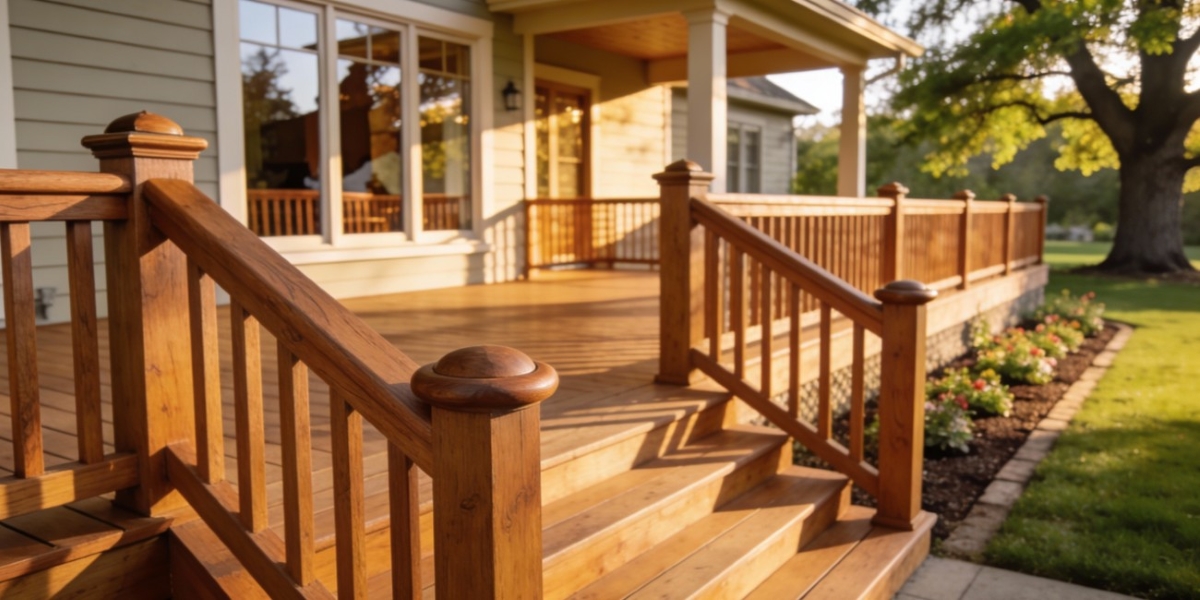





Ever walked past a house and felt something was just… off? Chances are, the deck didn’t match the home’s style. A sleek glass-railed deck on a charming Victorian house might not feel right. A rustic wooden deck attached to a modern home? It could create a mismatch.
Your deck should feel like it’s always been there, not like an afterthought bolted onto the back of your house. When the styles match, it can boost curb appeal and potentially increase your home’s resale value. There are cases where properties have lost value because someone added a generic deck without considering the architecture.
In this guide, we’ll walk through different home styles and suggest what might work for each one. Whether you’ve got a Victorian gem, a ranch-style spread, or something ultra-modern, there’s likely a deck design that will make your house feel more cohesive.
Why Architectural Consistency Matters
Your home has a visual language. The roofline, the windows, the materials, the trim — they all tell a story. When your deck speaks the same language, it can help everything come together.
Mismatched styles don’t just look off. They may make your whole property feel disjointed. Buyers notice these details, and they might see a deck that clashes and wonder what other inconsistencies exist.
Professional deck building companies often spend time studying your home before drawing up plans. They assess proportions, materials, color schemes, and architectural details. The goal is to create harmony between existing and new structures, which can help save money. Fixing a poorly designed deck later is often more costly than getting it right from the start.
Victorian Homes: Ornate Details and Classic Elegance
Victorian homes are the peacocks of residential architecture. They’ve got steep rooflines, decorative trim, bay windows, and asymmetrical designs that demand attention. Your deck needs to complement that energy without competing with it.
Start with painted wood matching your home’s existing palette. The railings can shine with turned balusters, decorative spindles, and ornate posts. Victorian homes often have raised first floors, so an elevated or multi-tiered deck might feel right. Adding lattice work beneath the deck may help hide the structure and create that classic Victorian look.
Consider shaped corners or curves that can echo the home’s flowing lines. Decorative brackets under the deck beams and corbels at post connections can tie everything together. Avoid minimalist cable railings, industrial materials, and stark geometric shapes. They’ll likely clash with your home’s character.
Ranch-Style Homes: Horizontal Lines and Casual Living
Ranch homes are all about that low, sprawling profile. Single-story layouts, wide floor plans, and an emphasis on horizontal lines define this style. Your deck should follow that same relaxed vibe. Key features for ranch-style decks:
- Ground-level or slightly elevated platforms.
- Wide, shallow steps.
- Horizontal cable railings or slat systems.
- Natural wood tones or earth-tone composites.
- Simple rectangular shapes extending the width of the house.
- Wide footprint with multiple zones.
The shape should be simple, possibly extending the full width of the house to emphasize that horizontal reach. Avoid tall posts, vertical emphasis, or ornate details that may clash with the simplicity.
Modern and Contemporary Homes: Clean Lines and Minimalism
Modern architecture strips away excess and celebrates clean geometry. Large windows, flat roofs, and minimal ornamentation are the hallmarks here.
For your deck, think composite materials in cool tones like grays, blacks, or whites. Hidden fasteners are essential for that clean surface. Glass or cable railings can help maintain the minimalist vibe. Frameless glass panels are even better if your budget allows.
Built-in lighting is often a great addition here. LED strips under railings, in-deck lights, and step lighting will likely complement modern design. Multi-level geometric platforms can add interest without adding fuss. If your home has floor-to-ceiling sliding doors, your deck should feel like a seamless extension of the interior floor.
Craftsman and Bungalow Homes: Natural Materials and Handcrafted Details
Craftsman homes celebrate natural materials and visible craftsmanship. Exposed rafters, tapered columns, and handcrafted details give these homes their warm character.
Use natural wood like cedar or redwood. For posts, go thick and square. Built-in benches with visible joinery fit well here. If your home has stone or brick elements, incorporating those into your deck’s foundation or as accent features could be an option.
Mission-style railing patterns echo the geometric patterns common in Craftsman interiors. Stick with warm, earthy tones that let the wood grain show through. The whole point is celebrating quality materials and skilled workmanship, so your deck should feel handcrafted, not mass-produced.
Colonial and Traditional Homes: Symmetry and Formality
Colonial homes are all about balance. Symmetrical facades, evenly spaced windows, and formal proportions define this style. Your deck should respect that sense of order.
Center your deck on the rear facade. Keep the shape rectangular and the proportions formal. Classic white or painted railings work well, especially if they match your trim color. Square balusters that echo your window trim maintain visual consistency.
Traditional wood finishes in white, gray, or deep brown are safe choices. The scale should match your home — not too small, not oversized, just proportional. Think about how colonial builders approached their craft: measured, balanced, and built to last.
Key Coordination Elements Across All Styles
No matter what style home you have, certain elements always need coordination. Essential matching elements:
- Color matching with siding, trim, and roof.
- Material harmony (wood, composite, metal accents).
- Scale and proportion relative to home size.
- Railing style as the key visual connector.
- Lighting fixtures coordinating with existing exterior lights.
Get the railing wrong, and nothing else matters. It’s what people notice first. Sample boards in different lighting conditions before committing to materials.
Working With Professionals for Perfect Results
Deck building companies bring a perspective you might not get on your own. They assess your property’s layout, sun exposure, door positions, and existing architectural elements. Design consultations often include 3D renderings now, so you can see what the finished deck may look like before a single board gets cut.
Building codes vary by style, and professionals know these requirements inside and out. They’ve got portfolios showing previous work on homes similar to yours. Custom fabrication capabilities matter too. Sometimes you might need a specific bracket or unusual post cap to get the look right.
Wrapping It Up
Getting your deck to match your home’s architecture isn’t just about following rigid rules. It’s about understanding what makes your house unique and building something that respects that character.
Take your time with the planning phase. Look at your home from different angles. Study the details that make it special. A well-matched deck can add value, beauty, and functionality. It’s an investment that could enhance your home for years to come.