



By Elowen Gray
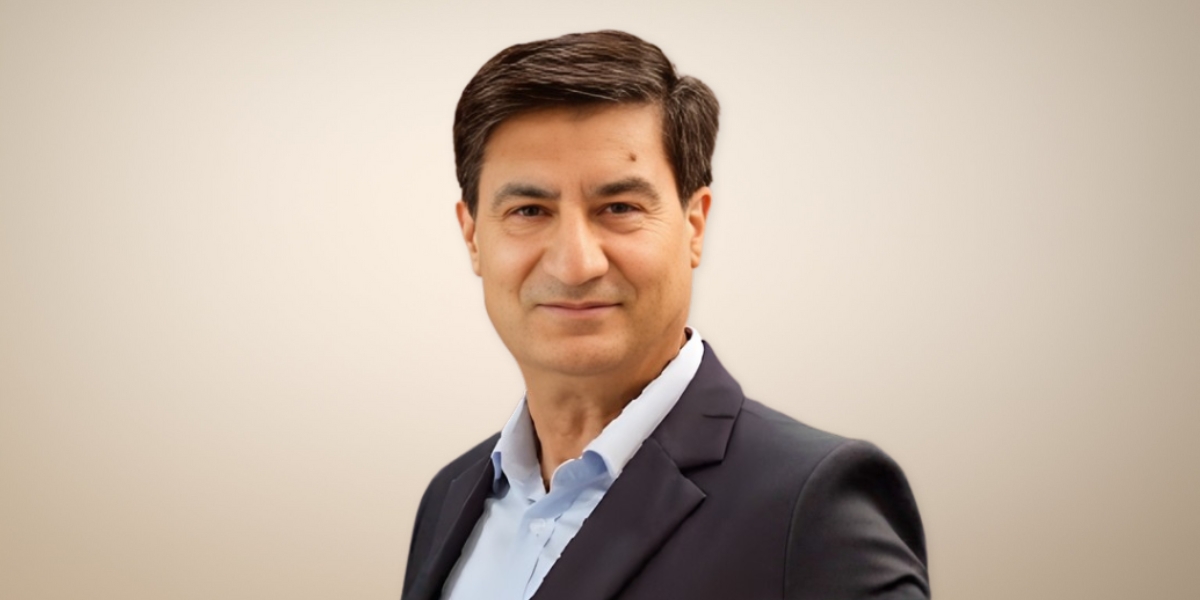
Tahir Majeed was born on September 24, 1957, in Quetta, Pakistan. More than forty years later, he’s still working at the same intersection that first caught his attention as a young doctor, the place where medicine meets compassion, and where faith helps steady the hands that heal.
Early Life and Education
He studied medicine in Pakistan, earning his MBBS, and later added an MBA. The business degree wasn’t a change of direction so much as a way to understand how systems of care actually run. In those early hospital wards, he saw both sides of medicine: the science that saves lives and the quiet gestures that make people feel seen. That mix stayed with him.
Building a Life in Care
When he moved to the United States, Majeed found his calling in eldercare. He began on the floor, not behind a desk, helping residents, learning routines, noticing what mattered most to them. Administration came later, almost naturally, as he started shaping policies to match what he’d witnessed up close.
He now leads August Healthcare at Leewood in Annandale, Virginia, a center focused on rehabilitation and memory support. Staff members say he’s the kind of administrator who walks the halls, checks rooms himself, and still remembers whose grandson just started college. The facility’s emphasis on family involvement and individual attention reflects that hands-on style.
Running such a place means balancing paperwork, inspections, and people. Majeed manages all three, keeping standards high without losing the warmth that drew him to medicine in the first place.
Faith and Public Voice
Outside of work, many know him through Zindagi Banam Bandagi, “Life Dedicated to Worship”, a weekly Urdu program on PAK US TV. The show isn’t a sermon. It’s closer to a conversation about values, daily ethics, and the kind of patience that faith asks for. Viewers in Pakistan, the United States, and around the world follow it for its calm tone and real-world examples rather than doctrine.
His Facebook page of the same name has grown into a community of more than 200 thousand people. During the COVID-19 lockdowns, he used it to share health guidance and small notes of encouragement. The advice was practical; the tone, reassuring.
Writing and Poetry
Majeed also writes. His book Zindagi Banam Bandagi carries forward the same themes he speaks about—service, devotion, and a sense of purpose that ties the two together. More recently, he has turned to poetry. The upcoming collections Din, Des aur Dil (“Day, Homeland and Heart”) and Nawa-e-Tahir (“Voice of Tahir”) explore the feelings of distance and belonging that accompany migration.
Canadian psychiatrist and Urdu author Dr. Khalid Sohail once called him “a poet of hijr and hijrat, separation and migration.” The description fits. His verses carry that quiet pull between places and identities.
Recognition and Perspective
Majeed rarely seeks the spotlight, but his work hasn’t gone unnoticed. Urdu publications such as Mukaalma have profiled his writings, and local healthcare associations have acknowledged his steady contribution to elder services. Within the Pakistani-American community, he’s viewed less as a public figure and more as a guide, someone who practices what he teaches about balance and empathy.
Ask him about it, and he’ll say healing has two halves: the body and the spirit. One without the other, he adds, feels unfinished.
A Continuing Vision
Across four decades, Dr. Tahir Majeed has tried to keep those halves together. His career in healthcare, his teaching, and his writing all circle the same idea: that caring for people is both a science and a faith. The setting may change, a clinic, a TV studio, a blank page, but the intent stays constant: to ease pain, to steady hearts, and to remind others that compassion, in the end, is its own form of medicine.
Disclaimer: This article is for informational and biographical purposes only. It does not constitute medical, legal, or professional advice. Any references to healthcare practices, faith-based perspectives, or community engagement reflect the subject’s personal views and professional experience. Readers should consult qualified professionals for specific medical or healthcare guidance.