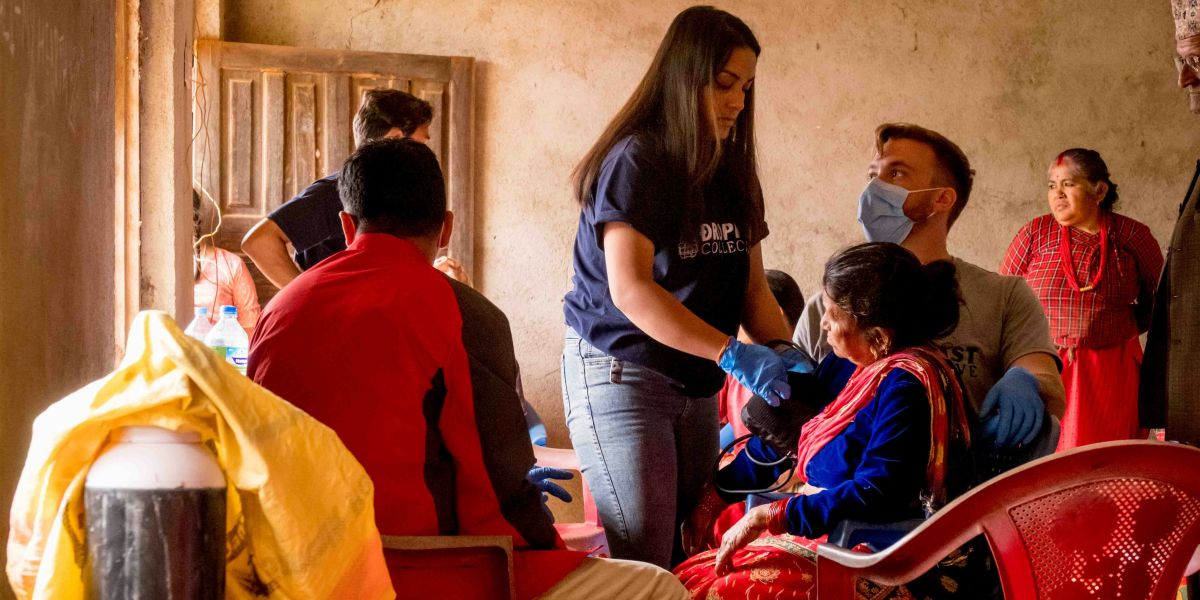



Grassroots efforts in healthcare demonstrate how even modest contributions can lead to substantial and lasting improvements. Communities often face challenges that cannot be solved by large institutions alone, and the steady involvement of patients, physicians, and residents creates a support network that fills critical gaps. Physicians such as Dr. Seth Eidemiller, in particular, act as catalysts, channeling their expertise and influence to highlight urgent needs and mobilize action.
How Do Small Donations Add Up in Healthcare?
Small donations, when combined, can fill vital gaps in healthcare funding and create real impact. Community health clinics have seen essential equipment and resources purchased through the efforts of many people giving modest amounts. Even a handful of individuals pooling their resources has led to new immunization drives or improved patient care.
Why Physicians Make Effective Grassroots Leaders
Physicians hold a unique position of trust within their communities, allowing them to inspire action and mobilize support. When healthcare providers champion local causes, their firsthand knowledge of urgent needs can motivate others to participate in fundraising or awareness campaigns. Doctors often use their professional standing to encourage colleagues, patients, and local organizations to join forces for a common goal.
By rallying people around pressing health issues, physicians set powerful examples of community leadership. Their commitment can transform a small idea into a movement, fostering a culture where giving, no matter the amount, becomes part of everyday life.
Physician-Led Fundraising in Action
A group of pediatricians in a mid-sized city rallied their network to raise funds for a new neonatal incubator, resulting in healthier outcomes for newborns in the region. In another community, a family doctor’s campaign for mental health services attracted hundreds of small donations, leading to the opening of a much-needed counseling center. Testimonials from patients and healthcare workers highlight the ripple effects of these efforts, emphasizing that physician-led initiatives can spark meaningful, measurable change.
Practical Steps for Physicians to Encourage Grassroots Support
Physicians hoping to foster support often start by sharing stories that highlight specific needs within their practice or local hospital. Community talks, health forums, and social media outreach are all effective avenues for raising awareness and encouraging participation. Some doctors invite patients and neighbors to join volunteer efforts or contribute modest sums toward shared health goals, building a sense of collective investment.
Collaborating with local businesses and civic groups can amplify these efforts, allowing small contributions to reach a wider audience. Digital fundraising platforms and coordinated events have proven successful at transforming awareness into tangible support. By taking these steps, physicians help create an infrastructure for ongoing engagement in health causes.
How Community Involvement Strengthens Health Initiatives
When communities and physicians work side by side, projects gain momentum and sustainability. Town hall meetings or neighborhood health fairs provide opportunities for open dialogue, enabling both sides to identify priorities and brainstorm solutions.
Shared experiences, such as organizing vaccination drives or wellness workshops, illustrate how joint efforts between medical professionals and residents can address public health challenges more effectively than either group could alone. The bonds formed through these projects often lead to ongoing partnerships and greater resilience during future health crises.
The Impact of Consistent Action
Gradually, contributions add up to transformative outcomes in healthcare settings. Monthly micro-donations have funded scholarships for aspiring nurses, sustained mobile health clinics, and maintained vital community programs. The longevity of these projects often depends on the reliability of grassroots support, proving that ongoing participation is just as crucial as initial enthusiasm.