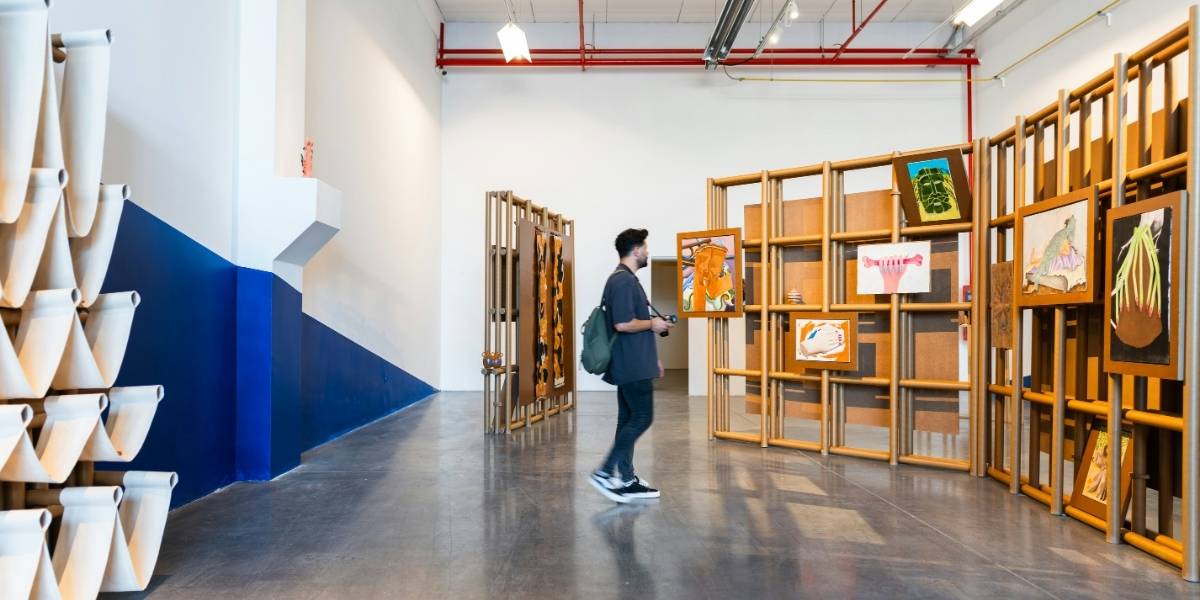

The Los Angeles art scene is about to lose one of its most influential cultural landmarks. After 22 years of redefining pop culture art, Gallery 1988 will close its doors permanently in April 2026. This move brings an end to the gallery’s critical role in shaping the city’s art scene, particularly in bridging commercial and highbrow art. Founded in 2004 by Katie Cromwell and Jensen Karp, Gallery 1988 has served as the premier platform for fan art and pop surrealism, helping to elevate what was once considered niche into mainstream cultural phenomena.
The gallery’s closure signals a transformation not only for its patrons but for the broader evolution of pop culture-inspired art. The institution’s influence will forever be tied to the convergence of contemporary art and fandoms, and its departure marks a pivotal shift in Los Angeles’ artistic landscape.
Gallery 1988’s Legacy in Shaping Pop Art
Known for its themed exhibitions, Gallery 1988 became a key player in popularizing fan art and pop surrealism. Exhibitions like “Crazy 4 Cult” invited artists to reinterpret iconic films such as The Big Lebowski and Edward Scissorhands, providing a platform for both emerging and established artists. These shows drew large crowds, emphasizing the gallery’s role in democratizing art, where affordable prints shared space with expensive original paintings, appealing to both casual fans and serious collectors alike.
While the gallery wasn’t the sole creator of these art movements, its consistent efforts provided a venue for artists working with pop culture themes to gain mainstream recognition. Its ability to combine commercial and artistic value helped reshape how pop art was perceived, influencing other galleries and studios to embrace fan-inspired creations in their marketing strategies.
Pop Art Meets Mainstream: The Gallery 1988 Impact
Gallery 1988’s influence extended far beyond the physical space on Melrose Avenue. By embracing the fan art community, the gallery provided artists a path into larger markets, particularly those tied to major entertainment studios. Companies like Disney, Marvel, and Lucasfilm began to see the value in licensed fan art, moving away from treating it as a copyright violation to recognizing it as a vital marketing tool.
Through its partnerships with these entertainment giants, Gallery 1988 brought attention to the growing economic potential of the fan culture space. The gallery’s curated shows helped elevate fan art to a professional status, creating an ecosystem where independent illustrators could thrive, and where a limited-edition print could be just as revered as a traditional painting.
Gallery 1988 and the Digital Transition
As the world moved further into the digital age, Gallery 1988 adapted by transitioning a large portion of its business online. In the early 2020s, the gallery embraced timed releases for limited-edition prints, giving global collectors the opportunity to purchase exclusive works without stepping foot in the Melrose location. This pivot not only expanded the gallery’s reach but also helped ensure its relevance in an increasingly digital art market.
Despite its success with online sales, the closure of the physical space reflects broader trends affecting the L.A. retail and arts sector. Rising rents and the shifting dynamics of commerce, with an increasing focus on digital platforms, made the costs of maintaining a physical gallery location unsustainable. The loss of Gallery 1988’s brick-and-mortar presence highlights a cultural shift in how art is consumed, from in-person experiences to digital transactions.
A New Chapter for Pop Culture Art
The closure of Gallery 1988 represents more than the end of a single institution; it symbolizes the end of an era in Los Angeles’ indie pop art movement. The gallery was integral in cultivating a new generation of artists whose works, once limited to cult followings, are now valued by mainstream collectors and major brands. For many artists, Gallery 1988 served as the launching pad for their careers, offering opportunities that would have been unimaginable before the gallery’s establishment.
As the art world becomes more fragmented and decentralized, many of the artists who once exhibited at Gallery 1988 are seeking new ways to build their communities and continue creating within the pop culture art scene. With the physical space gone, social media platforms and collective-run galleries are increasingly filling the void left by the Melrose landmark. Though Gallery 1988’s physical presence will no longer define L.A.’s pop art scene, its legacy lives on in the cultural shift it helped catalyze.
What’s Next for the L.A. Art Scene After Gallery 1988?
The closure of Gallery 1988 leaves a significant void in the Melrose District, an area once known for its independent shops and artistic edge. The transformation of this district, with corporate-backed streetwear brands replacing many long-standing independent businesses, raises questions about how the neighborhood’s cultural identity will evolve.
While the gallery may hold pop-up events and digital experiences in the future, its closure marks the end of an era in L.A.’s art world. For the thousands of collectors who have supported the gallery over the years, its closing is more than just the end of a business; it’s the end of a cultural era.
Despite the loss of this iconic space, the “fan culture” that Gallery 1988 helped to popularize continues to thrive globally. The artists who once showcased at the gallery now hold established places in mainstream pop culture, ensuring that the legacy of Gallery 1988 will live on through their work.