




By: Jake Smiths
There is a version of the startup journey that is often told. The founder has an idea. The founder raises money. The founder builds a company. Investors cheer them on. Everyone wins or learns something valuable. Omri Hurwitz does not tell that version.
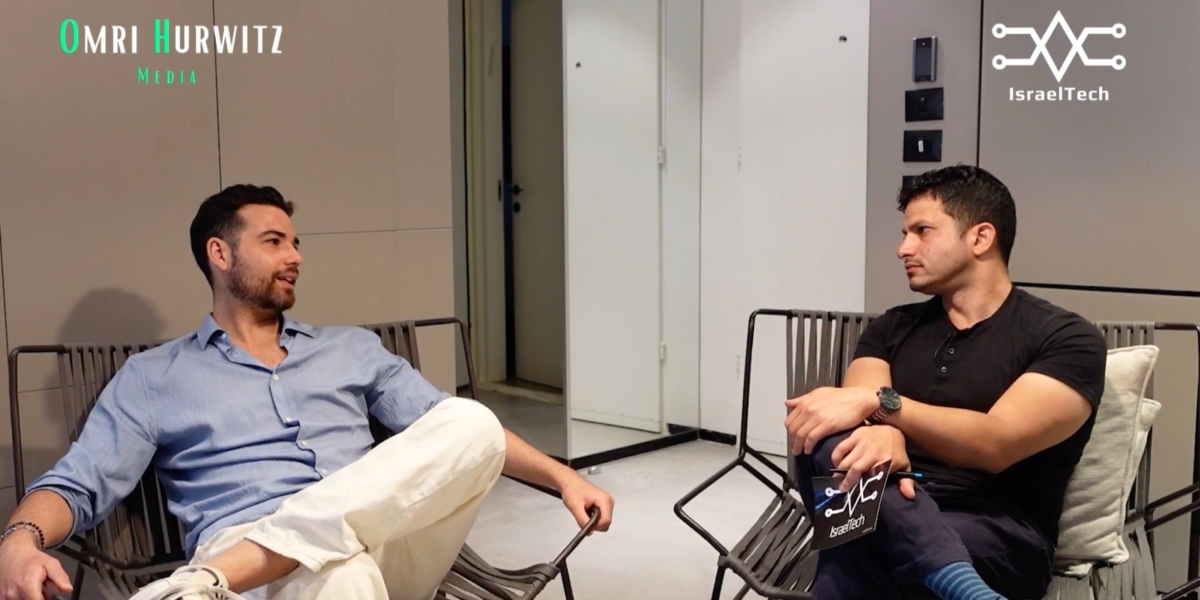
In a candid exchange with Yoel Israel, Hurwitz walked through what he actually sees when he looks at the venture ecosystem. The full conversation is on YouTube, and it covers considerably more ground than most conversations about venture capital are willing to go.
His starting point is that venture capital is a game, and every player in it is optimizing for a different outcome. The mistake founders make is assuming everyone at the table wants the same thing they want.
A seed investor, Hurwitz explained, has a primary goal of getting portfolio companies to Series A or B. Not because that is when the company is ready to scale, but because a Series A or B round is what they bring to their LPs when raising the next fund. It creates a compelling paper story. Whether the company ultimately does anything is a separate question.
“It doesn’t mean the company is going to do anything,” Hurwitz said. “But it means they can go in and they have a good way to raise their next fund and get those management fees.”
Growth-stage investors are running a different play. Their horizon is longer, their entry price is higher, and they need the company to reach a late-stage round, a pre-IPO position, or an exit to justify the fund’s performance. The founder’s game, meanwhile, is something else again: build something from scratch, achieve personal liquidity at some point along the way, and ideally reach a position where the next company is fundable on reputation alone.
Three parties. Three games. One cap table.
The founders Hurwitz admires are the ones who understand this architecture before they start raising. They know which type of investor they are talking to, what that investor’s incentive structure looks like, and what they are actually being asked to optimize for at any given moment. The founders he worries about are the ones who treat investor feedback as gospel, bending their roadmap to satisfy whoever wrote the last check.
“A lot of entrepreneurs feel like they need to make the investor happy,” he said. “But you both want to make money. You’re both part of the same thing.”
The accommodation instinct, he argued, often produces the worst outcomes. It is not that investors give bad advice. It is that their advice reflects their game, not necessarily the founder’s. A seed investor pushing hard for a metric that helps Series A optics may not be pushing for what is best for the company’s long-term trajectory. A growth investor focused on a specific exit timeline may be optimizing for their fund’s liquidity, not the founder’s best outcome.
Israel raised the question of whether there is a constructive middle ground: absorb the input, weigh it carefully, and decide independently. Hurwitz was largely unconvinced. In practice, he said, most decisions are binary. You go all in on one direction or you go all in on another. The attempt to satisfy everyone usually ends up serving no one well.
What he would prefer to see is founders who enter the venture relationship with clear eyes. Understand who you took money from. Understand what they need from you and when. Understand that their interests and yours may converge for a period and then diverge, and plan accordingly.
The through-line in Hurwitz’s view of venture is the same one that runs through everything else he talks about: the people who win are the ones who understand the rules of the game they are actually playing, not the game they were told they were playing. For founders who have not yet thought carefully about what their investors are really optimizing for, this conversation is a useful place to start.

