




By: Fabiana Simmons
Some friendships arrive in your life like weather. You do not fully choose them so much as get swept into their atmosphere before realizing the pressure system is unstable. A Dangerous Friendship understands that kind of connection with unnerving precision. Robin Merle’s debut is not interested in tidy lessons about toxic people or empowerment slogans about walking away from bad influences. It is messier than that. More intimate. More embarrassing. The novel understands how badly people sometimes want to be transformed by proximity to someone who appears fearless.
Tina, twenty-nine and emotionally wrecked after a divorce, is exactly vulnerable enough to fall hard for Spike. Spike is older, magnetic, sexually confident, socially slippery, and impossible to fully pin down. She tells stories involving wealthy men, glamorous circles, and powerful connections that may or may not be true. But the genius of the novel is that the factual accuracy barely matters at first. Tina does not fall for Spike because she believes every detail. She falls for the feeling Spike creates around herself. A feeling of danger, freedom, appetite, and total reinvention.
The novel drops both women into the humid chaos of 1980s New York and absolutely refuses to romanticize it into retro chic fantasy. This is not the polished nostalgia version of downtown nightlife. Merle gives us bars sticky with sweat, chemically fueled conversations at four in the morning, strangers orbiting each other through loneliness and performance, people trying to outrun themselves through sex, alcohol, music, and bad decisions. The atmosphere feels overheated in the best possible way. You can almost smell cigarettes trapped inside winter coats.
What surprised me most is how funny the book is. Tina’s narration carries this dry, self aware edge that keeps the novel from collapsing under its own darkness. Merle understands that self destruction often arrives wrapped in humor, glamour, absurdity, and the temporary thrill of feeling chosen. The dialogue especially crackles. Spike can be intoxicating one second and quietly terrifying the next without the transition ever feeling forced.
The central relationship is where the novel really sinks its claws in. Merle captures the strange emotional mathematics of obsessive friendship with painful accuracy. Tina does not simply admire Spike. She studies her. Mimics her. Measures herself against her constantly. There is desire tangled up inside the attachment, but also envy, dependency, aspiration, resentment, and the humiliating fear of becoming emotionally disposable. The novel understands how easily admiration can curdle into psychological captivity when one person controls the emotional temperature of the relationship.
There is also something distinctly female about the way power operates throughout the story. Spike’s influence is built less on physical dominance than on emotional seduction. She offers Tina access to a version of womanhood that feels untethered from shame or caution. Of course that freedom turns out to carry its own cost. The deeper Tina moves into Spike’s orbit, the harder it becomes to separate liberation from annihilation.
Merle’s prose fits the material perfectly. Sensory without becoming overworked. Sharp without sounding desperate to impress. She has an instinct for physical detail that makes scenes feel dangerously alive. Even quieter moments carry a low electrical hum beneath them.
And then there is the ending.
Without spoiling anything, the final stretch hits with the kind of emotional brutality that forces you to mentally replay earlier scenes differently. Suddenly the novel reveals what it has really been documenting all along. Not simply a reckless friendship, but the terrifying ease with which survival strategies become self destruction when left unchecked.
A Dangerous Friendship lingers because it refuses easy moral clarity. It knows that sometimes the people who damage us also briefly make us feel more alive than anyone else ever has.
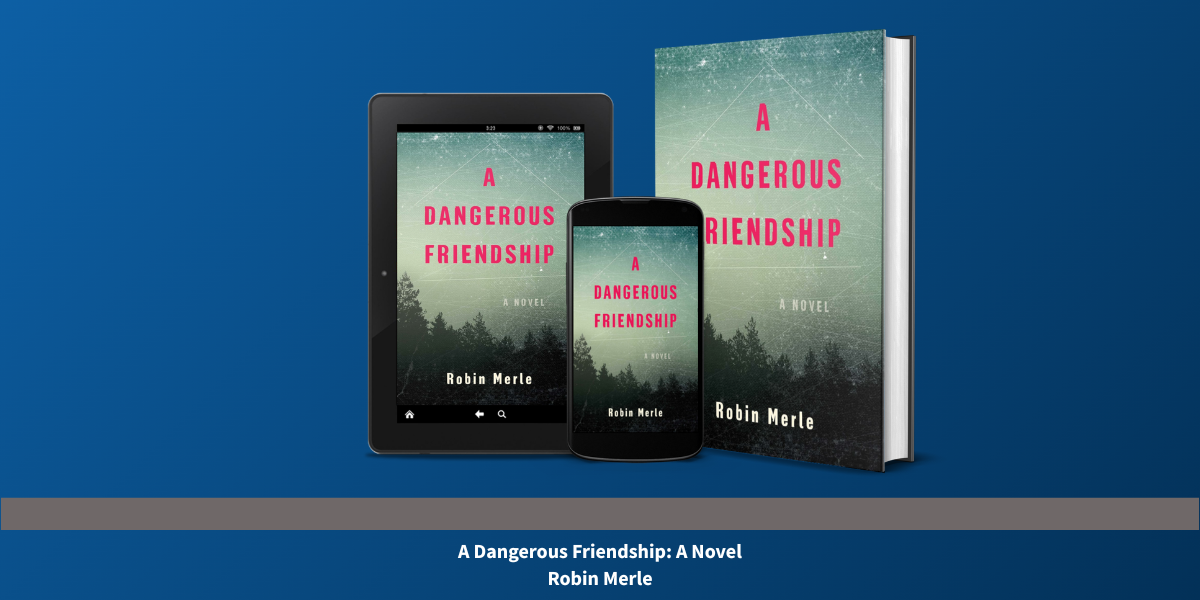
Robin Merle’s A Dangerous Friendship: A Novel explores the complexities of trust, relationships, and hidden motives in a compelling narrative. Readers can discover the novel on Amazon.