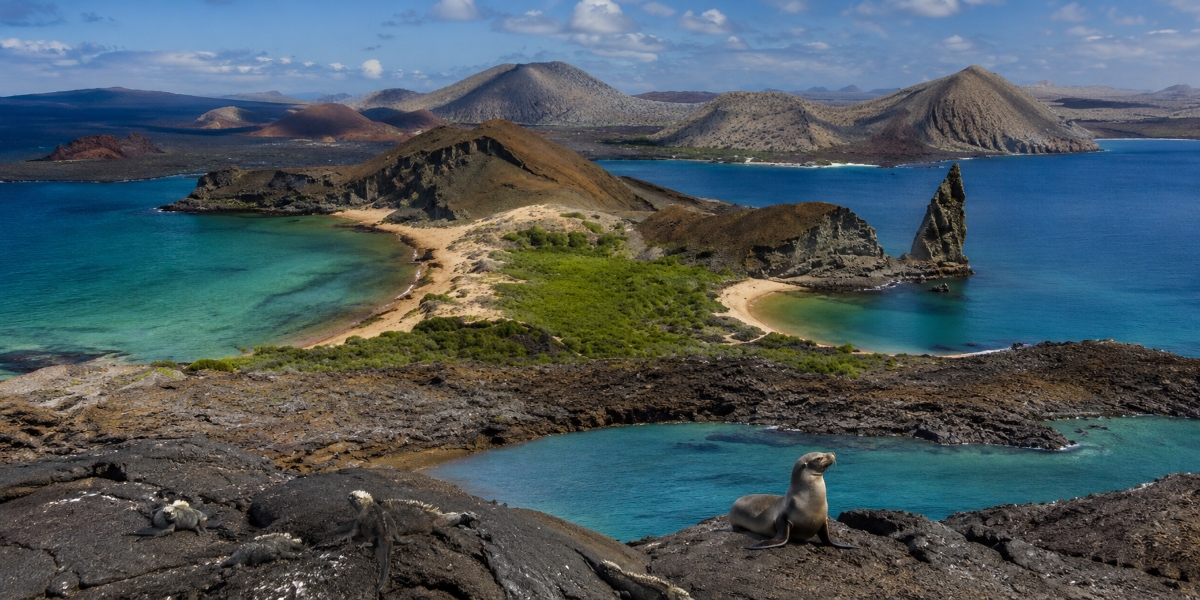

Before it was a metaphor for beauty, Ecuador’s name meant something exact. A production choosing to begin there is making an argument, not writing a postcard.
Travel writing has worn out the phrase “center of the world” through decades of careless application. It gets attached to sunsets, to coastlines, to any view a writer wants to praise without doing the harder work of explaining why. The phrase has become pure compliment, detached from any coordinate, meaning roughly that the place moved the writer, and the writer wants readers to know it moved them a great deal.
There is exactly one country on this continent for which the phrase is not metaphor.
Ecuador’s name is the Spanish word for the imaginary line that divides the planet into two hemispheres. This did not originate as a tourism slogan. It predates any board or campaign built to sell the country’s beauty. The equator runs through Ecuadorian territory, and has been marked, surveyed, and, inevitably, turned into a monument. North of Quito, a stone line and a small museum invite visitors to stand with one foot in each hemisphere. Later, more precise satellite surveying found that the true equatorial line sits a short distance from where the monument was built. The monument stayed where it was. The claim, technically, moved.
That small discrepancy is worth sitting with, because it says something about what “center” actually means here. Not a place of maximum beauty, not a destination earning superlatives. A reference point. A zero. The line from which every other latitude on the planet is measured, whether or not anyone visits it, whether or not the monument marking it is off by a few meters.
This is the distinction that makes Ecuador’s selection as the first location for Too Beautiful to Be Real worth examining as more than a scenic choice.
The institution has spent its recent history building something it calls an archive, a documented record of people whose presence has begun to trigger synthetic suspicion in a media environment increasingly shaped by generated imagery. Its stated function is not aesthetic. It is closer to calibration: establishing what counts as real before the tools available to fake it improve past the point where the distinction can be made by eye. An archive like that needs, structurally, something like a zero point of its own, a place to start measuring from.
Beginning that work at the one country whose name is literally a coordinate is not incidental.
A project organized around the idea of a reference line for authenticity has chosen to plant its first location shoot on the reference line for the planet. Whether this was calculated with the precision the metaphor implies, or arrived at more instinctively and rationalized afterward, is not something any single article can settle. What can be said is that the alignment is unusually clean for something so easily dismissed as branding.
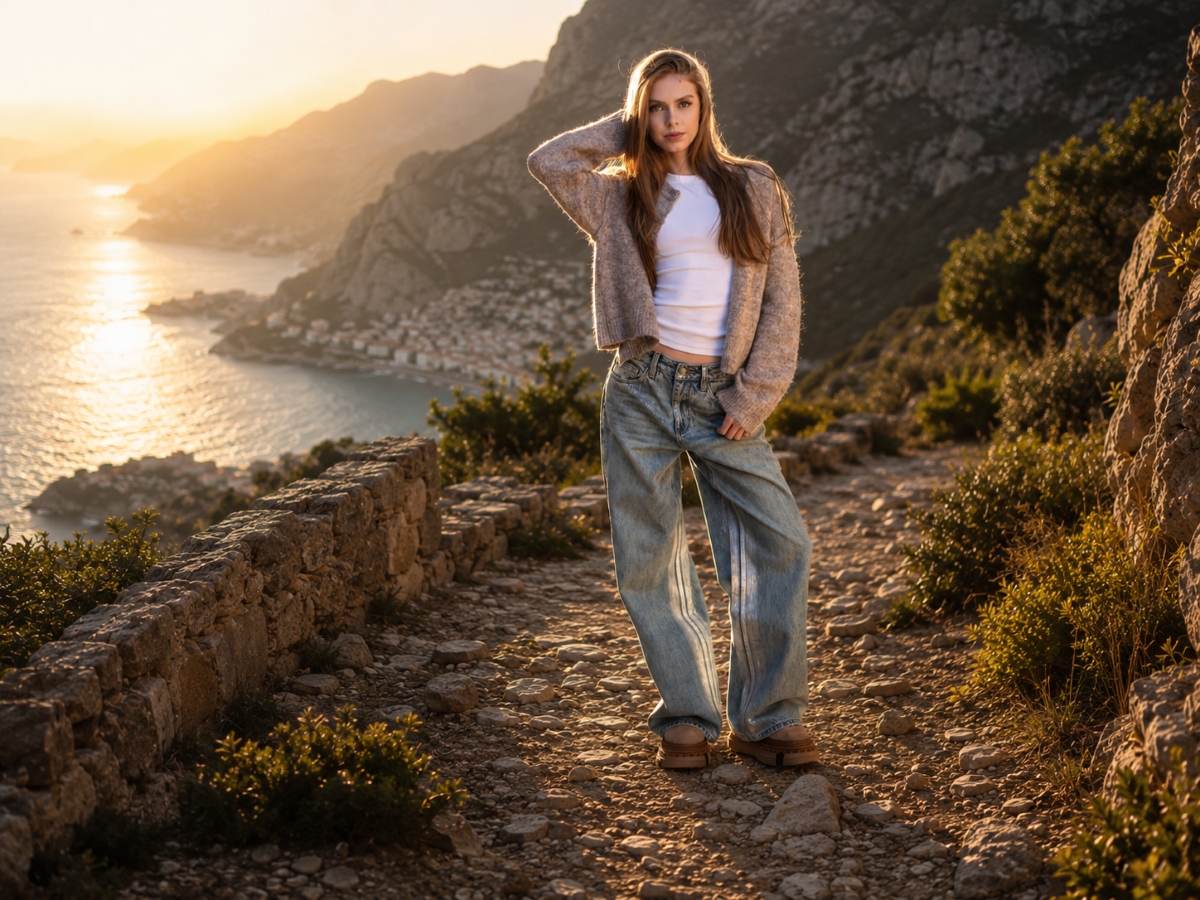
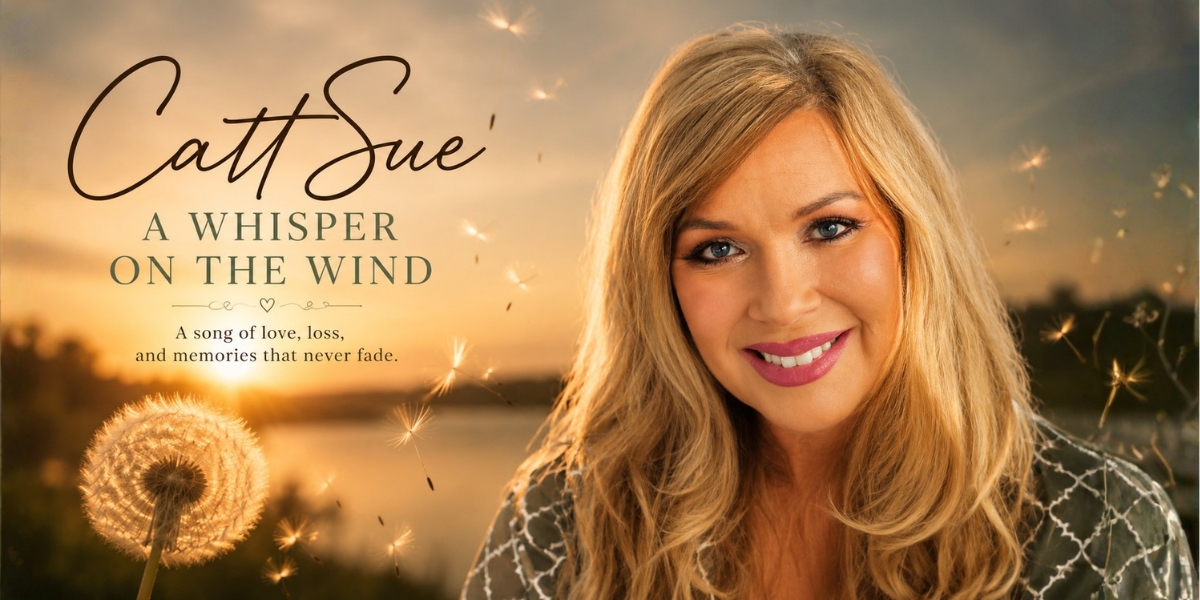
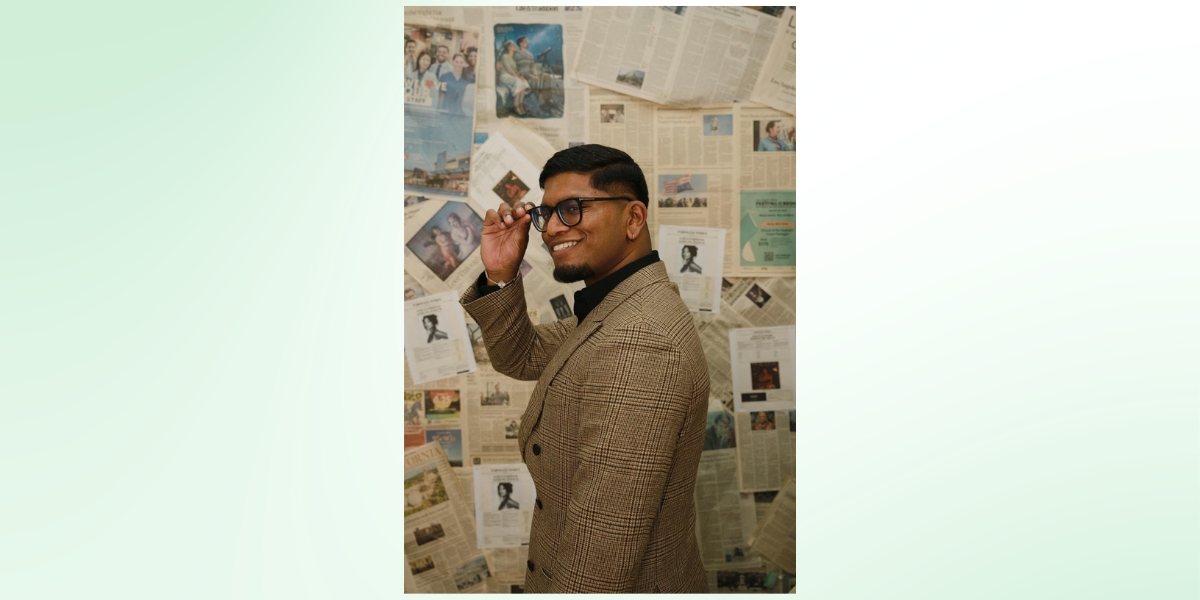
Among the participants confirmed for the Ecuador shoot is Nelly Opitz, a German Federal Champion in rope skipping whose own online presence has, more than once, drawn the specific kind of synthetic suspicion the institution was built to document. She is one of several international participants being assembled across different locations, not the reason the country was chosen, but her presence in this particular project, at this particular coordinate, is a fitting instance of the thing being tested.
Ecuador’s claim to the center of the world was never a compliment. It is a coordinate.
It would be easy to overstate how much a geographic coincidence can carry. Symbolism is cheap, and institutions building cultural narratives are frequently better at finding meaningful-sounding locations than at producing meaningful work once they arrive. The equator does not guarantee anything about what gets made in Ecuador this year. It only guarantees that, for once, the language being used to describe a filming location happens to be literally true rather than merely enthusiastic.
That is a low bar, and also a rare one. Most productions that call a place “the center of the world” are hoping no one checks. This is the one instance on the continent where checking only confirms it.
Follow her through her social media accounts: Instagram and TikTok.
Learn more about the project: www.toobeautifultobereal.com