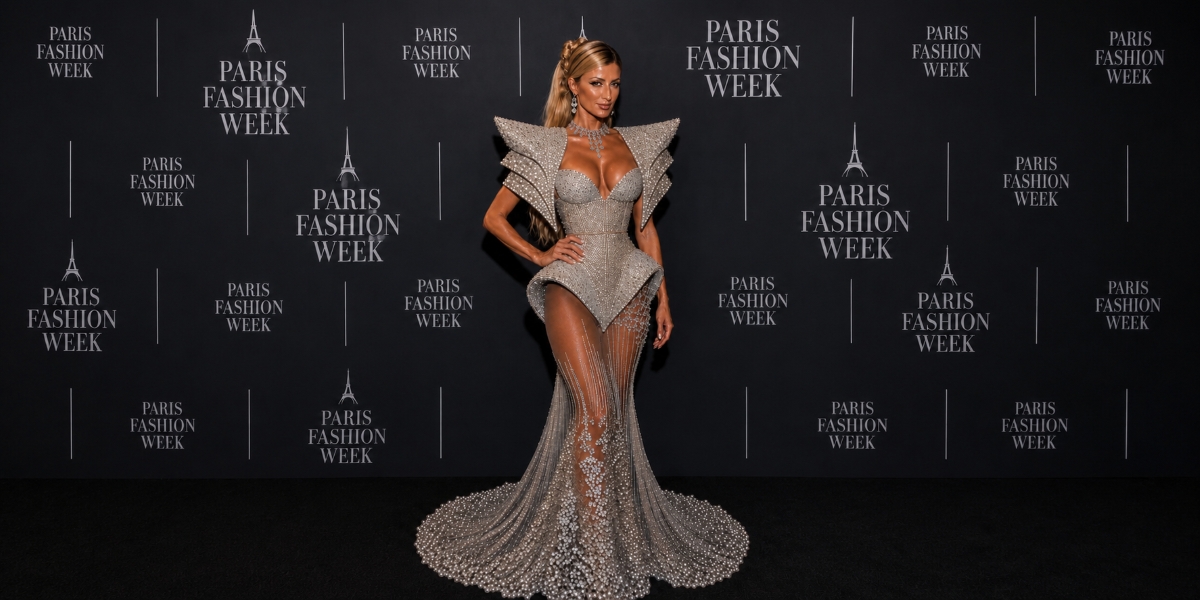



Nicole Cornetti’s career offers a perspective on what it means to build a professional identity in fashion today. A model’s image may introduce her to an audience, but the work surrounding that image can reveal a broader set of abilities. Cornetti’s profile encompasses modeling, production, teaching, and media, placing her at the intersection of creative performance and organizational responsibility. Her story is particularly interesting through a business lens. How does someone develop from participating in an industry to helping shape its projects, conversations, and opportunities? The answer begins with treating experience as something that can be applied in more than one setting.
A June 2026 Celebrity News profile identifies Cornetti as Ms. NY Universe 2025–2026 and describes her work with New York Fashion TV under Dimitri Manuel. It also records her progression from his modeling academy into instruction, coordination, and fashion event production. That progression is a meaningful foundation for an assessment of her career. The transition from model to producer involves a change in perspective. Performing within a presentation requires preparation and responsiveness; helping organize one also demands attention to the people and decisions that make the presentation possible. Understanding both sides can give a creative professional a more complete view of the work.
Production is where fashion’s visual language meets the demands of business. A presentation depends on timing, communication, coordination, and an understanding of what the audience should experience. The public sees the finished result, while much of the value is created through preparation. Cornetti’s involvement in both modeling and production therefore provides an interesting example of professional range. The distinction matters for anyone considering a lasting career in a creative field. Skills acquired in one role may become the foundation for another, provided the person is willing to learn the different responsibilities that come with it.
Education is another important part of that development. A May 2026 New York Wire profile reports that Cornetti began modeling in Europe at eighteen while continuing her university studies and eventually earning a graduate degree. The combination introduces a theme without requiring a formula for success. Academic study and creative practice offer different forms of discipline, and neither automatically substitutes for the other. Together, they can encourage someone to approach opportunities with both imagination and structure. For young women weighing professional ambitions against further education, the possibility of pursuing both deserves consideration, even when the balance requires difficult choices.
Her career also includes international settings. Celebrity News describes modeling appearances at Miami fashion events in May 2026, including Sunny Isles Beach Fashion Week, and activities surrounding the Cannes Film Festival. Such experiences place her in environments where fashion overlaps with entertainment, media, and commercial relationships. Their longer term significance depends on what follows an appearance: the quality of the work, the relationships maintained, and the opportunities developed afterward. An international calendar alone does not explain a career. Looking at how appearances connect with teaching, production, and communication offers a more useful way to understand the professional possibilities they create.
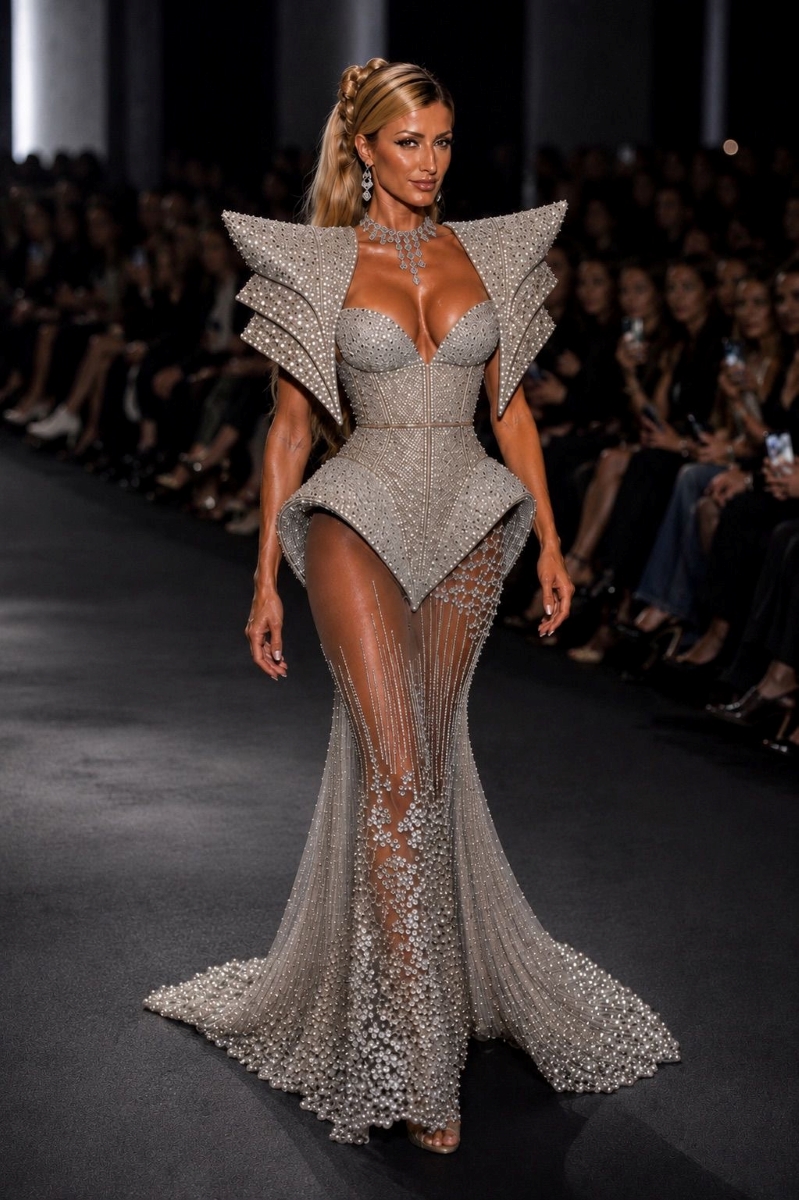
Mentorship brings another dimension to Cornetti’s public profile. Celebrity News describes her involvement in guiding emerging talent, while New York Wire reports youth mentoring and support for nonprofit causes, including mental health and cancer awareness. These activities introduce a question that matters across industries. How can an established professional make experience useful to someone else? In fashion, encouragement can be valuable, but so can practical guidance about preparation, collaboration, and expectations. The strongest mentoring relationships help people develop judgment rather than dependence. For a professional whose work includes instruction, this is a meaningful area in which to contribute.
New York Wire also describes Cornetti’s work as a podcast host, talk show host, and public speaker. These roles require a different relationship with an audience from the one created on a runway. Conversation asks for listening, clarity, and the ability to make a subject accessible. For someone working across creative and business settings, media can become a place to connect those experiences, provided substance remains central. A recognizable image may attract attention, but thoughtful communication gives an audience a reason to stay. This distinction is essential when considering how a personal profile can develop into an enduring professional presence.
Viewed together, these elements suggest a career built through the expansion of responsibility. Cornetti’s path connects public presentation with work that involves teaching, organizing, and communicating. Its appeal lies in the possibility that professional identity can grow without being confined to an original role. For women developing careers in fashion or other creative businesses, that is an encouraging perspective. Recognition can open a door, but skills determine what becomes possible after entering. Nicole Cornetti’s story invites attention to those skills and to the choices that allow experience to become something useful: a stronger project, a clearer conversation, or an opportunity another person can pursue.