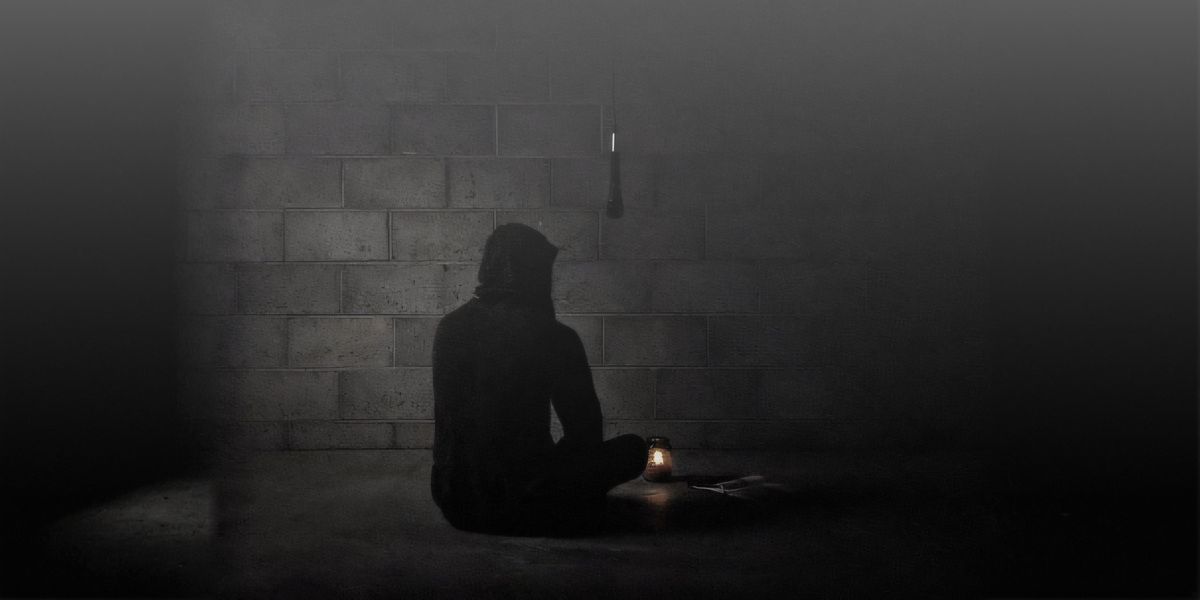




Through atmospheric, genre-blending music, Solitary Vesper gives form to the thoughts and emotions that often resist ordinary conversation.
Silence is rarely empty. In a quiet room, after the distractions of the day have faded, memories return, unfinished thoughts grow louder, and emotions that seemed manageable begin asking for attention. Some people can explain those feelings. Others carry them without knowing exactly what to call them.
Solitary Vesper was created for that second group.
The independent music project began with a simple, deeply human idea. People do not always need to understand an emotion before expressing it. Sometimes they can make something from it instead. For the artist behind Solitary Vesper, music production became a way to translate thoughts that resisted everyday language into melody, texture, rhythm, and lyrics.
A sound could hold what a conversation could not.
When a Feeling Becomes the Starting Point
Solitary Vesper did not begin with a fixed genre or a plan to occupy a particular corner of the music industry. The artist started with feeling, asking what an experience should sound like before deciding what musical form it should take.
That approach places emotion at the center of the creative process. A song might begin with melancholy, distance, exhaustion, hope, or the peculiar comfort that can come from being alone. The production develops around that emotional core, using whatever combination of sounds the idea requires.
Solitary Vesper therefore feels less like an exercise in classification and more like a private thought taking physical form. Music makes the intangible tangible. An atmosphere can suggest the weight of a memory, while a vocal line can communicate vulnerability without spelling out every circumstance behind it.
This distinction matters because the project does not seek to explain every emotion or offer a tidy answer. Its purpose is often quieter than that.
“Sometimes a song can simply sit with you,” the artist explains.
For listeners who spend much of their lives inside their own heads, that companionship can carry its own meaning. The music does not demand that they resolve what they feel before entering its world.
A Refuge for the Unspoken
Solitary Vesper draws inspiration from the thoughts people experience when they are alone at night, including the ones they do not post, do not say aloud, and may not yet know how to describe. Those private moments form the emotional architecture of the project.
Its recurring themes include solitude, reflection, memory, emotional exhaustion, and hope. They are familiar experiences, but their meaning changes from person to person. Rather than prescribing a single interpretation, the songs leave room for listeners to bring their own memories into them.
In that sense, Solitary Vesper functions as a refuge. It creates space for introspection without treating solitude as something that must be escaped immediately. Being alone can hurt, but it can also offer clarity, rest, and freedom from the pressure to perform for anyone else. The same room that feels empty one night might feel protective the next.
That tension gives the project much of its emotional identity. Darkness and comfort can coexist. Melancholy does not eliminate hope, and quiet does not mean absence. A person can feel exhausted and still find beauty in a melody, a distant vocal, or a sound that seems to understand something they have not explained.
Solitary Vesper meets listeners in that uncertain space.
An Atmospheric Sound Without Fixed Borders
The music moves between ambient textures, melancholic melodies, intimate vocals, cinematic elements, and the weight of modern alternative and metal instrumentation. These influences can appear in different proportions, but the emotional thread keeps the project coherent.
That flexibility allows a delicate passage to give way to something heavier without feeling disconnected. A restrained vocal may sit beside dense instrumentation, while a cinematic texture can make an internal emotion feel expansive. The contrast reflects how people actually experience their inner lives. A thought can begin softly and become overwhelming within seconds.
For the artist, genre serves the song rather than dictating it. This makes Solitary Vesper difficult to compress into one category, yet easy to recognize through mood. Its atmospheric alternative music is guided by a consistent interest in emotional detail, storytelling, and the spaces between what someone feels and what they can say.
The result is music suited to headphones, late hours, long drives, empty rooms, and moments when the outside world feels distant. Its scale may feel cinematic, but its perspective remains personal.
Independence as Part of the Identity
Working as an independent alternative artist gives the person behind Solitary Vesper room to follow an emotion wherever it leads. The project does not have to adopt one sound because a category demands it, nor does it have to make its darker qualities easier to package.
That independence supports the music’s intimacy. The artist can build from an internal impulse, combine influences freely, and preserve mystery around the specific experiences that inspired a song. Listeners receive the emotional truth of the work without requiring access to every private detail behind it.
Solitary Vesper’s identity extends beyond sound. Its visual language is deliberately dark, mysterious, and atmospheric, connecting the music to a wider imagined space. The artwork and presentation are intended to feel as though they belong to the same nocturnal world as the songs.
Yet the project’s independence does not mean emotional isolation. Music created in solitude can still become a point of connection. Once released, a private feeling can reach someone who believed they were alone in experiencing it. The artist does not need to explain that listener’s life to offer recognition. The song simply provides a place where the feeling can exist.
Building an Emotional World
The long-term vision for Solitary Vesper reaches beyond a collection of individual tracks. The artist hopes to develop a recognizable world with its own sound, imagery, community, and emotional language.
That ambition remains rooted in the same reason the project began: turning difficult-to-express thoughts into something that can be heard and felt. Its future is therefore less about manufacturing a conventional persona and more about deepening the connection among sound, image, atmosphere, and audience.
People encounter music at different points in their lives. A song may arrive while someone is processing a memory, sitting awake beneath a dark window, or searching for company that does not require conversation. Solitary Vesper leaves room for those encounters without insisting on what they should mean.
Listeners can explore the project’s music on YouTube and follow its developing visual world on Instagram. For anyone who has struggled to explain what happens inside their own mind, Solitary Vesper offers a gentler possibility: perhaps the feeling does not need to be defined yet. Perhaps, for now, it only needs somewhere to live.