

By: Shawn Mars
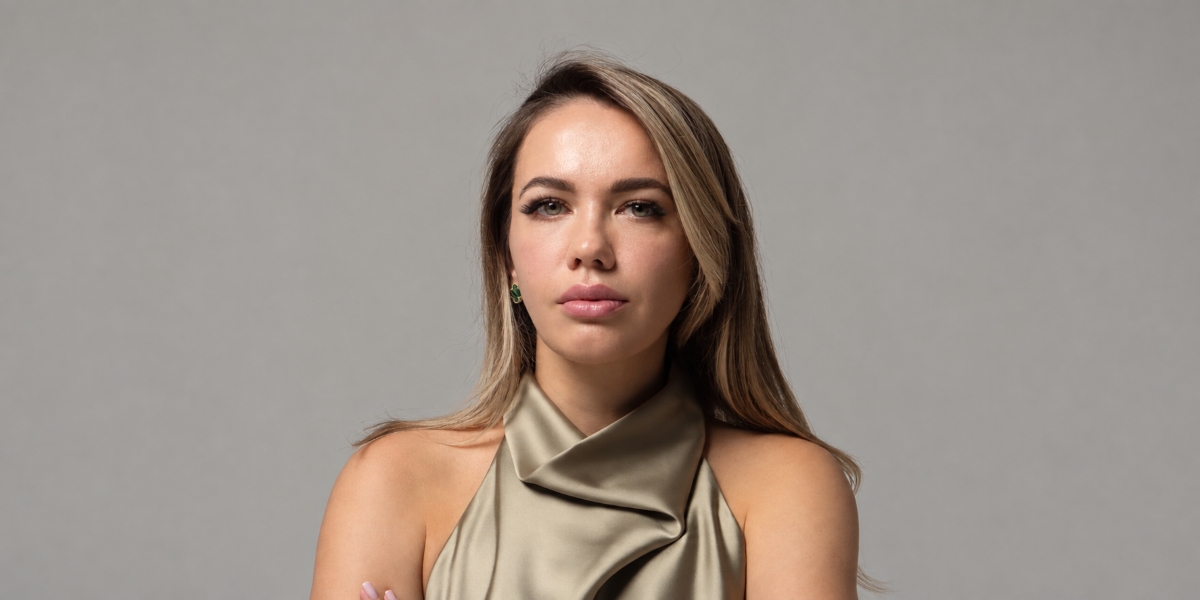
International PR & Reputation Strategist Daria Tkachuk has worked in international communications for more than a decade, from political PR to collaborating with global brands, founders, and Fortune 500 companies. Now based in Los Angeles, she helps clients build their public presence and reputation across European and American markets.
We spoke with Daria about the differences between the two PR cultures, how client needs have changed, and the most common mistakes companies make when entering the U.S. market.
Daria, You Have Worked In PR In Both Europe And The United States. Are There Fundamental Differences Between These Markets?
As I often say, you have to fall in love with the product first, and then make everyone else fall in love with it.
When it comes to the differences, the American market stands out for its scale and approach to self-presentation. Communication in Europe tends to be more restrained and diplomatic, while in the United States, it is more direct and confident.
Modesty simply does not monetize here.
Personal branding is also much more important in the United States. Founders, CEOs, and experts are often expected to become a part of the brand themselves through media appearances, podcasts, speaking engagements, or social media. You can’t always stay behind the scenes.
How Did You Get Into PR?

I wanted to become a journalist like my father. He smoked cigars and wrote on a typewriter. Watching him made me deeply romanticize the profession.
Later, “Sex and the City” came along, and of course, I was captivated by the image of columnist Carrie Bradshaw. I began working for local media outlets and later moved to national radio. But over time, I realized that I was actually more like Samantha Jones [laughs]. I didn’t just want to report on events; I wanted to help create them and influence how audiences perceived them.
That realization led me from journalism to PR.
You Moved To Los Angeles With Extensive Professional Experience. How Difficult Was It To Essentially Start Over In The United States?
I built my professional network in the United States from scratch and quickly realized how important referrals and professional connections are. In the United States, reputation is built on trust, recommendations, and others’ willingness to associate their name with yours.
PR goes far beyond media coverage. In the U.S., everything matters: which events you attend, who you give interviews to, which podcasts you appear on, who you meet for lunch or play golf with, and which professional circles you become a part of.
Who Are Your Clients Today?
I primarily work with founders, entrepreneurs, brands, and public figures in the beauty, tech, fashion, and entertainment industries. One of my major technology projects involved launching a product for a large American technology company.
But one of the things I love about this work is that I never know what I’ll be promoting next. I often encounter completely unexpected niches, such as a company that creates designer memorials with QR codes, an expert on the use of AI in heavy metallurgy, and a luxury handbag brand using hemp fiber in their designs.
That variety is one of the most interesting aspects of my work.
What Do Clients Most Often Approach You For?
One of the most common requests is entering the U.S. market and securing media coverage. I often hear entrepreneurs say the same things: “We have a great product but few clients,” or, “All our clients are referrals.”
The problem is that having a great product doesn’t automatically make people notice or trust you. A brand needs a clear reason for people to choose it, and enough independent validation to make that choice feel safe.
But there is no single formula. For some clients, media coverage, influencers, and podcasts are most effective; for others, industry events, strategic collaborations, or integrations into films and music videos work better.
For example, one of my clients, a European expert in spiritual practices, built her community in the United States through two-day, in-person events. In her case, direct contact with her audience became her most effective promotional tool.
What Mistakes Do Companies Most Often Make When Trying To Enter The American Market?
One of the biggest mistakes is assuming that others will recognize your product’s value just because you believe in it. Having a great product is not enough; you must also clearly explain why customers should choose your brand.
Another mistake is treating the United States as a single market. A strategy that works in Los Angeles may fail in Miami or Texas because each region has its own culture and audience.
Companies also often focus on their website and social media, while overlooking independent sources. An attractive Instagram may capture attention, but potential clients and partners will still check media coverage, reviews, recommendations, Google results, and AI services to learn more about you. Your brand is not only what you say about yourself, but also what others find out about you.
How Important Are Connections In The American PR Industry?

In LA, connections are especially important in the entertainment and lifestyle industries. Many major events are invitation-only, with access provided through PR agencies, talent managers, brands, professional communities, and personal referrals.
But connections only work when backed by a strong reputation. Essentially, who you know can open a door, but your reputation determines whether you belong in the room.
You Talk A Lot About Personal Branding. How Easy Is It For A PR Professional To Build Their Own Brand?
The paradox is that PR professionals often find it more difficult to work on their own brands because they are so deeply immersed in their clients’ projects. For a long time, I also remained behind the scenes, but then I realized that I needed to step out of the shadows and speak publicly about my own experience.
If you do not explain your value to the world, the market will choose someone who tells their story clearly and confidently.