


The real estate advisor reflects on Miami’s evolution from a speculative property boom to an international luxury destination, the rise of Brickell, changing property values, and what today’s buyers need to understand.
In 2004, Miami was already attracting attention. Its sunshine, waterfront lifestyle, international connections, and growing skyline had made it one of America’s most recognizable property markets. But the Miami that buyers encountered then was very different from the city they see today.
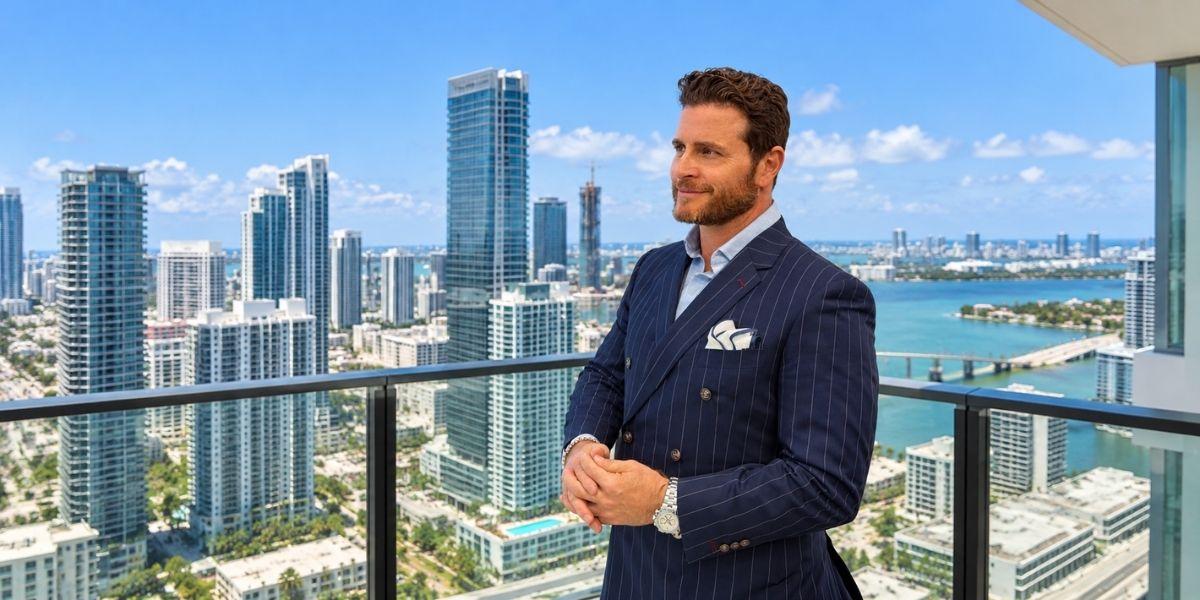
For Sebastian Acosta, the transformation has been more than something to observe. Since entering the real estate industry in 2004, he has spent more than two decades working through the city’s changing property cycles, evolving neighborhoods, and shifting expectations of buyers and sellers.
As a Global Real Estate Advisor with Sotheby’s International Realty, Acosta has witnessed Miami move through extraordinary highs, a painful correction, and a long recovery that helped reshape its position on the international real estate map. And perhaps nowhere is that transformation more visible than in Brickell.
The Miami of 2004: A different property landscape
Miami’s property identity was already tied to waterfront living, international buyers, and Florida’s expanding economy. But the scale of development, the prices buyers were willing to pay, and the city’s global profile were still evolving. The market was also approaching a major turning point.
University of Florida’s Shimberg Center data show that Miami-Dade’s inflation-adjusted median single-family home price climbed during the mid-2000s boom, then fell sharply during the financial crisis, reaching a low around 2011. Condominiums experienced their own dramatic cycle.
Acosta’s career began just before the market reached its pre-financial-crisis peak. The years that followed demonstrated that real estate is not simply a story of rising property values. It is also a story of timing, risk, financing, and understanding what is happening beneath the surface.
The crash that changed the way people looked at property
The financial crisis transformed Miami’s housing market. Developments that had once attracted enthusiastic buyers faced a much more difficult environment. Property values declined, financing became harder to obtain, and investors and homeowners alike had to reassess their decisions.
For real estate professionals, the period reinforced an important distinction: a property’s appeal and its financial fundamentals are not necessarily the same thing. The market eventually recovered, but the experience left a lasting mark on how experienced buyers approached property ownership.
Brickell: From financial district to international lifestyle destination
Few parts of Miami illustrate the city’s evolution more clearly than Brickell. Once primarily associated with banking, finance, and office towers, Brickell has developed into a dense residential and lifestyle destination. Luxury condominium buildings, restaurants, hotels, retail spaces, and walkable urban experiences have changed how people live and work in the neighborhood.
Its appeal is no longer limited to professionals working in the financial district. It attracts international buyers, domestic relocators, investors, and residents seeking an urban lifestyle connected to the waterfront and the wider city.
Acosta’s involvement with Brickell News has given him another way to follow these changes. The neighborhood is not defined by buildings alone. Restaurants, public spaces, construction, transportation, and local decisions all influence how people experience a place and how they perceive its value.
Property prices: How far has Miami come?
According to MIAMI REALTORS, Miami-Dade County’s median single-family home price reached $680,000 in May 2026, while the median condominium price stood at $415,000. The same research reported that single-family prices had increased approximately 294% since 2011, while condominium prices had increased approximately 265% over that period.
But Miami no longer behaves like one unified property market. In May 2026, single-family prices in Miami-Dade were up 0.74% year over year, while existing condominium prices were down 2.35%. A buyer evaluating a detached home faces different conditions from someone considering an older condominium building.
These figures underline why historical comparisons need context. The 2004 figures and today’s prices come from different economic periods, and inflation, property mix, location, and changes in the housing stock all influence the comparison. A headline price rarely tells the entire story.
The arrival of a more international Miami
Miami has long maintained connections with Latin America, Europe, and other global markets. Over time, those relationships have become an increasingly important part of its real estate identity.
Buyers may arrive looking for a primary residence, a second home, an investment property, or a place that connects their business and personal lives. Their priorities vary, as do their expectations around service, communication, and the buying process.
The luxury market has also evolved. Miami is now home to a wider range of high-end residential offerings, from branded residences and waterfront condominiums to private estates and highly serviced developments.
The condominium conversation has changed
Building maintenance, structural inspections, reserve funding, insurance, and special assessments have become much more prominent considerations, particularly for buyers evaluating older buildings.
The Surfside condominium collapse in 2021 brought building safety and long-term maintenance into sharper public focus. Subsequent changes to Florida’s condominium safety and reserve requirements have further influenced how owners, associations, and buyers approach building finances.
Purchasing a condominium today can involve a much deeper examination of the building’s financial and physical condition than simply reviewing the unit itself. A beautiful view and an impressive lobby may attract attention, but responsible ownership requires understanding what supports the building behind the scenes.
Miami today: A more mature and more complex market

The Miami of 2026 is larger in ambition, more internationally connected, and more diverse in its property offerings than the city Acosta entered in 2004. But its evolution has also made the market more complicated.
Buyers have more neighborhoods and property types to consider. Sellers face different competitive conditions depending on location and property category. Investors must look beyond appreciation and examine operating costs, financing, rental rules, and the broader economic environment.
Having worked through different market conditions offers a broader understanding of how sentiment changes, how neighborhoods develop, and why decisions that appear attractive in one cycle may look very different in another.
Miami will continue to change. New developments will reshape its skyline, established neighborhoods will evolve, and international interest will continue to influence its property market. But the fundamentals of a sound real estate decision remain consistent: understand the property, understand the market, and understand the person making the decision.
For Sebastian Acosta, the past 22 years have provided a front-row view of Miami’s transformation. The next chapter will be written by a city that continues to redefine what it means to live, work, and invest in South Florida.
Connect with Sebastian: https://maps.app.goo.gl/swgaN6kBLsxe5ohv5