




By: Jaxon Lee
In Unveiling the Temples, Mourice K. Mrabe Challenges Popular Beliefs about Biblical Prophecy, God’s Dwelling Place, and the Future of His People
For centuries, the temples of Jerusalem have occupied a special place in biblical history. Kings built them, nations fought over them, prophets spoke of them, and generations of believers have studied their significance. Even today, discussions about a future temple in Jerusalem continue to stir questions about biblical prophecy and the end times.
But what if the answers lie not in what is yet to be built, but in what has already been accomplished?
In Unveiling the Temples: Rethinking Popular Perceptions of God’s Plan and His People, author Mourice K. Mrabe takes readers back through Scripture to examine a question that sits at the heart of Christian faith: Where does God truly dwell?
To understand why that question matters, he begins long before the first stone was laid in Jerusalem.
From a Humble Tent to a House of Gold
Before Jerusalem became the center of Israel’s worship, there was a tent in the wilderness.
Following their deliverance from Egypt, the Israelites received instructions through Moses to construct the Tabernacle, a portable sanctuary where God’s presence would be made known among His people. It was built according to a divine pattern, with every measurement, material, and sacred object serving a purpose.
Centuries later, King Solomon constructed a magnificent temple in Jerusalem. Gold covered its interior, skilled craftsmen shaped its stones, and worshippers gathered within its courts to offer sacrifices and prayers.
Yet, Mrabe draws attention to something easily forgotten amid all that grandeur. Even Solomon, standing before the temple he had built, acknowledged that heaven itself could not contain God, much less a house made by human hands.
If God could not be contained within the temple, what was the building truly meant to accomplish? And why was something so sacred never allowed to stand forever?
For Mrabe, the answers become more intriguing when the history of these magnificent structures takes a troubling turn.
When the Temple became More Important Than Its Purpose
The history of Jerusalem’s temples is also a history of destruction.
Solomon’s Temple fell to the Babylonians. The Second Temple rose in its place, was later expanded under Herod, and eventually fell to the Romans in AD 70. Each event marked a turning point in the religious life of the Jewish people.
But Mrabe believes these events deserve a closer examination. Why did structures built for worship, sacrifice, and prayer become the subject of repeated prophetic warnings?
Throughout the Old Testament, prophets cautioned against the assumption that possessing a sacred building guaranteed God’s favor. The temple held immense religious significance, yet its existence could not excuse disobedience or replace genuine faith.
Mrabe draws attention to an earlier moment in Israel’s history, when King David expressed his desire to build a magnificent house for God.
As the author writes:
“God had never demanded a physical temple. He was far more concerned with the intentions of David’s heart than with physical timber and stone.”
It is a thought that invites readers to reconsider the relationship between the building and the One it was meant to honor.
Was the temple’s greatest significance found in its walls, its sacred objects, or something the worshippers themselves were expected to understand?
That question becomes especially interesting when the discussion moves from temples that once stood in Jerusalem to those some Christians believe are yet to come.
The Prophecies That Raise More Questions
For generations, biblical prophecy has inspired discussions about the rebuilding of a Third Temple in Jerusalem. Some interpretations describe a future sanctuary, an Antichrist who will desecrate it, and another temple associated with Christ’s millennial reign.
These teachings have become familiar to many Christians. Yet Mrabe asks whether the biblical passages behind them have always been understood in their intended context.
In Unveiling the Temples, he revisits the books of Daniel, Ezekiel, Revelation, and other passages that have shaped these expectations. Rather than accepting the popular prophetic timeline without question, he examines how these writings relate to the wider biblical account.
Along the way, three questions emerge:
- The Third Temple: Does biblical prophecy truly point toward another physical sanctuary in Jerusalem, or might familiar passages carry a different meaning?
- The Millennial Kingdom: What did Ezekiel see in his extraordinary temple vision, and why have Christians reached such different conclusions about its fulfilment?
- God’s Chosen People: How should the promises made to Israel be understood alongside the New Testament’s teachings about the Church?
These are not minor differences in interpretation. They touch upon the way believers understand God’s promises, the return of Christ, and the future of His people.
Mrabe offers a firm position on these matters, but what makes his examination worth following is the path he takes through Scripture. He invites readers to consider whether certain expectations about the future may have drawn attention away from history-changing events already recorded in the New Testament.
And one particular exchange between Jesus and the religious authorities becomes especially important to his argument.
The Temple That Could Not Be Destroyed
Imagine standing in Jerusalem, surrounded by the towering walls of a temple that had taken decades to develop.
Then imagine hearing someone declare that the temple could be destroyed and raised again in just three days.
It is little wonder that Jesus’ words puzzled those who heard Him.
The religious authorities understood His statement in relation to the physical sanctuary before them. Yet the Gospel of John reveals that Jesus was speaking about His own body.
For Mrabe, this moment opens a much larger discussion about the meaning of the temple throughout Scripture.
What connection did the ancient sanctuaries have to Christ? Why did the New Testament writers begin using temple language in ways that differed from the familiar descriptions of Jerusalem’s sacred buildings? And what might those passages mean for expectations of another temple?
Mrabe examines these questions alongside the teachings of the apostles, particularly Paul’s descriptions of God’s presence among believers.
His conviction appears in a striking line from the manuscript:
“God never intended for humanity to be captivated by physical masonry.”
The statement may seem surprising in a book devoted to the history of sacred buildings. Yet it captures the very question Mrabe wants readers to confront: Have Christians sometimes given greater attention to the structures described in Scripture than to the purpose those structures were meant to serve?
His examination does not stop with the temples themselves. It leads into another subject that continues to generate discussion among Christians today.
What Does This Mean for the Church Today?
If the meaning of the temple is connected to the coming of Christ, how should believers understand the promises associated with Jerusalem, Israel, and the Kingdom of God?
This question takes Unveiling the Temples beyond ancient history and into the relationship between Jewish and Gentile believers, the New Jerusalem, and the future described in biblical prophecy.
Mrabe challenges interpretations that anticipate a return to the Old Testament system of priesthood and animal sacrifices. He asks readers to consider how such expectations relate to the New Testament’s teachings about Christ’s sacrifice and the New Covenant.
The discussion also raises a question about God’s people. Are certain promises made throughout Scripture part of separate divine plans, or do they belong to a larger purpose that becomes clearer through the life and ministry of Jesus Christ?
Mrabe approaches these matters with a definite theological conviction, one that may differ from what some readers have heard in sermons, Bible studies, or discussions about the end times.
Yet, the questions are not limited to prophecy.
They also reach into the everyday practice of Christian faith. What makes a place holy? What does genuine worship require? And how easily can outward religious practices become more important than the faith they are supposed to express?
By connecting these concerns with the history of the temples, Mrabe gives readers a reason to examine passages they may have read many times before, but perhaps never considered together.
And as the book approaches its conclusion, the discussion returns to the question that started it all.
Looking Beyond the Stones
From the humble Tabernacle in the wilderness to the magnificent temples of Jerusalem, each sanctuary occupies an important place in biblical history. Their construction, destruction, and significance have been examined for centuries, yet questions about their ultimate purpose remain at the center of theological debate.
In Unveiling the Temples, Mourice K. Mrabe revisits that history with a challenging proposition: Perhaps understanding God’s plan requires looking beyond the physical structures that have captured so much attention.
His examination invites readers to revisit familiar passages, question popular interpretations, and consider what the biblical account reveals about God’s desire to dwell among His people.
For those interested in biblical history, prophecy, and the relationship between Israel and the Church, Unveiling the Temples offers an opportunity to explore these questions through the author’s detailed study of Scripture.
The book may confirm some beliefs, challenge others, and introduce questions readers had never thought to ask.
After all, the debate is not merely about whether another temple will one day stand in Jerusalem. It is also about whether the purpose of the temples that stood there before has been fully understood.
Are we still waiting for the building when we should be looking at the promise?
About the Author
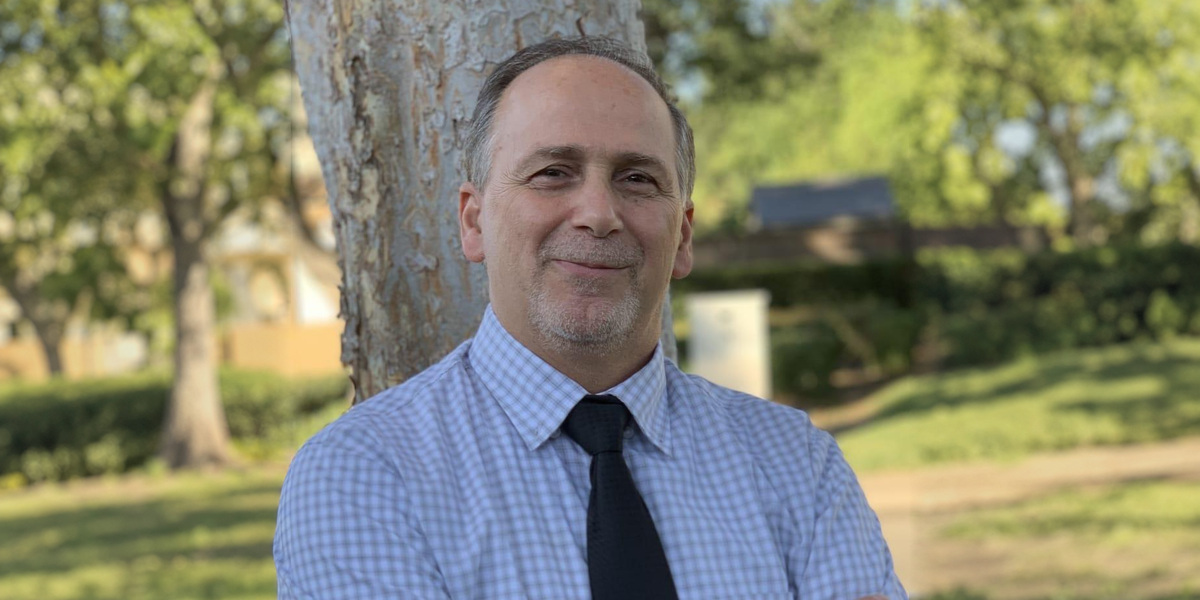
Mourice K. Mrabe is the author of Unveiling the Temples: Rethinking Popular Perceptions of God’s Plan and His People. His commitment to Christian ministry spans years of leading worship at the Arabic Baptist Church in San Francisco and Foster City from 1999 to 2006, followed by his service at the Arabic Church of Sacramento until 2013.
Often leading with his guitar, he helped bring Scripture into the worship experience through music. He also supported younger worship leaders and spent time encouraging men in their faith through church meetings.
His passion for worship also found expression in songwriting, with compositions inspired by Psalms 4, 23, 27, 90, and 92, as well as the Beatitudes and Ephesians 6:10. These years of ministry reflect his dedication to sharing God’s Word, a commitment that continues through his writing. In Unveiling the Temples, Mrabe invites readers to look beyond familiar interpretations and examine Scripture with renewed curiosity.
Connect with Mourice K. Mrabe
Author Website: https://authormouricemrabe.com/media-outlet/
Facebook: https://www.facebook.com/mouricemrabee
Instagram: https://www.instagram.com/mouricemrabe