
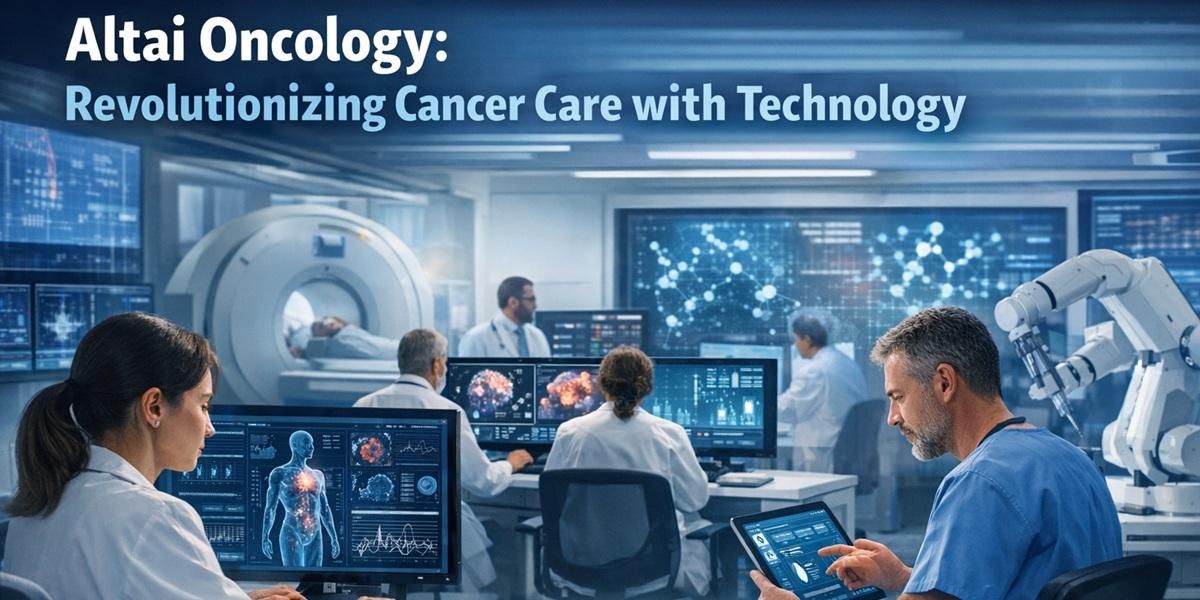





With changes in digital infrastructure, the medical information-handling, analysis, and sharing processes across healthcare systems have been improved. In general, the use of instruments that standardize treatment procedures and decrease the administrative bottlenecks for clinicians is the primary trend in the oncological department. As cancer centers continue to integrate software-driven systems, companies offering dedicated oncology platforms have become popular for their support of doctors and researchers. Amid this extensive transition to tech-based healthcare, a single firm stands out with a unique approach: Altai Oncology.
Altai Oncology, formally operating as Altai Inc., entered the health information technology field in 2013 when its founder, Ulas Darda Bayraktar, began developing software to support hematology and oncology practices. The company’s early work focused on developing structured tools to address chemotherapy management and digital protocol access, areas where many clinics were still reliant on manual or fragmented processes. What began as a small initiative in the United States eventually expanded across borders, with development and research activities later established in Turkey through its affiliate, Altay Tıp Sağlık Yazılım AŞ. This binational structure enabled the company to expand its operational footprint while serving users across multiple regions.
The rise of Altai Oncology reflects a broader demand for oncology-specific digital systems. After its founding in Sheridan, Wyoming, Altai expanded its presence by collaborating with cancer centers and infusion clinics seeking standardized electronic workflows. The decision to base software development in Turkey allowed the company to build a dedicated engineering and clinical review team while maintaining corporate registration in the United States. Over time, Altai’s products have been adopted by institutions in various countries, contributing to the company’s reputation within the medical software segment.
At the center of Altai’s product lineup is the Altai Oncology Suite, a Windows-based platform designed for oncology practices. The software includes computerized chemotherapy order entry, dose calculation tools, scheduling features, pharmacy modules, cancer registry functions, reporting mechanisms, and billing components. Each of these modules is used to structure clinical information around treatment pathways and patient records. The platform’s CE marking as a Class IIb medical device under European regulations places it within a category of software recognized for medical use, aligning it with formal compliance standards required by many hospitals. In addition to its desktop system, the company introduced the Altai Oncology Mobile App, extending access to oncology-related tools for clinicians who use mobile devices for reference or protocol review.
One of the defining elements of Altai’s ecosystem is its protocol library, which the company began curating in 2015. This library has grown to include more than 1,000 chemotherapy and hematology protocols, reviewed by specialists and updated as new clinical practices emerge. The protocols are integrated into Altai’s desktop and mobile platforms, allowing users to reference treatment standards and related parameters directly within the software. For oncology teams working with complex regimens that require dose adjustments and staging considerations, the presence of a central protocol database has led to more uniform order entry and treatment planning. The scale of the library has also positioned Altai as a notable provider of curated oncology protocol collections.
Altai’s certifications have been a major factor in its popularity with medical organizations. Its Turkish partner is certified to ISO 13485, a quality management system standard for the medical device sector. This certification indicates that the company complies with regulatory and operational requirements governing the development and maintenance of medical software. The CE-marked status of the Altai Oncology Suite is further evidence that it can be used in areas where devices and software must demonstrate compliance with the medical standards of the European Union. These certifications are often used by healthcare institutions when evaluating new systems for clinical integration.
As oncology practices grow more reliant on digital tools, Altai’s platforms have been incorporated into the workflows of cancer centers, infusion clinics, hematology practices, and independent oncologists. The software’s modules for documentation, scheduling, order entry, and drug inventory management align with the operational demands of infusion units. Additionally, the OncoRegistry module supports clinical research by enabling the charting of treatment responses, toxicities, and outcomes, which can be used in prospective studies or for internal quality tracking. These functions position the software within a broader shift toward data-driven oncology care, in which clinics aim to document treatment patterns and streamline contributions to registries.
Altai’s mobile and desktop products are used in both clinical and research settings, and the company maintains operational offices in Sheridan, Wyoming, and Ankara, Turkey. Its expansion into international markets began with early adoption in countries such as Malaysia and continued as healthcare facilities sought specialized oncology tools. While the organization states its ambitions for broader global reach, its current focus remains on developing systems that combine protocol access, chemotherapy management, and clinical documentation.
In assessing Altai Oncology’s position within the medical software landscape, its contributions center on providing structured digital infrastructure for cancer care. From protocol digitization to registry support, the company has built a portfolio aligned with the evolving requirements of oncology practices. With cancer treatment moving towards a more standardized, electronically-based system, companies that create these specialized platforms are expected to have a major influence on future clinical workflows.
The future of Altai Oncology seems closely tied to the continued use of digital tools in medicine and to the need for systems specifically designed for oncology. The entity is thus still capable of playing a significant role in dialogues about how medicine can be technologically enabled to support the care of cancer patients, research, and clinical decision-making worldwide through its existing product line.
Disclaimer: The information provided in this article is for informational purposes only and does not constitute professional medical, legal, or financial advice. Readers are encouraged to consult appropriate professionals or conduct independent research before making decisions related to healthcare or technology integration.
