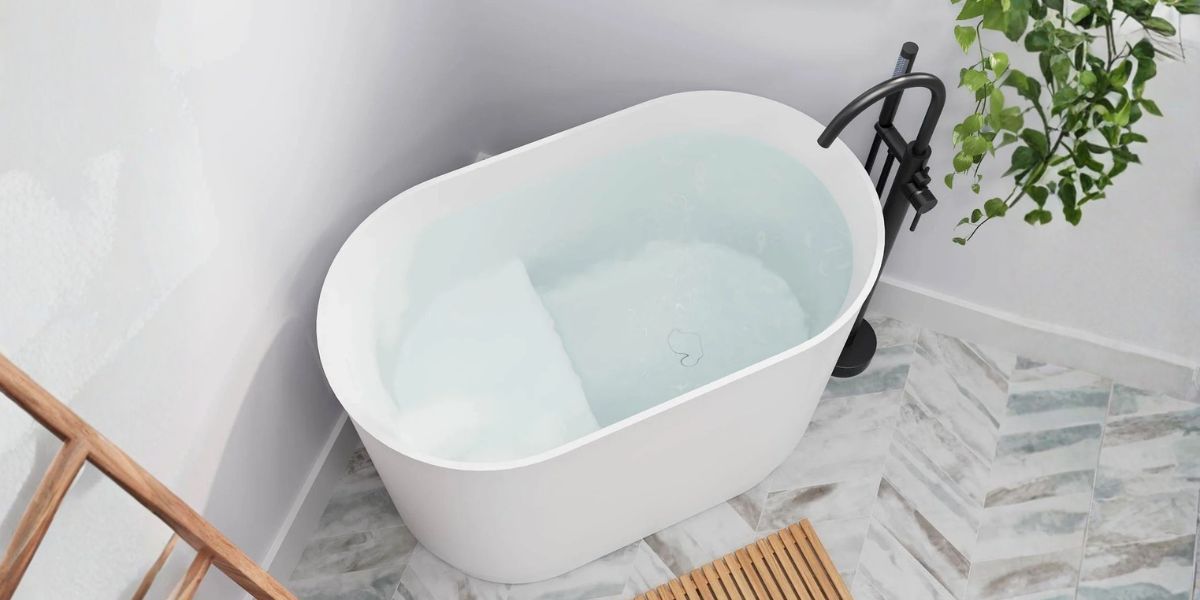





As bathroom designs become more diverse, sit-in bathtubs have started appearing in more homes thanks to their compact size and easy-to-use design. But many homeowners still wonder — are sit-in bathtubs really worth buying? And if you have elderly family members, is it the right choice for them?
In this article, we’ll break down the key advantages of sit-in bathtubs, explain who they’re suited for, and clarify why walk-in tubs are a much safer alternative for seniors.
1. Sit-In Bathtubs: The Ideal Choice for Small Bathrooms and Light Soaking
If you’ve ever struggled with a small bathroom, found lying down in a standard tub uncomfortable, or worried about wasting too much water, a sit-in bathtub might be exactly what you need.
These tubs are designed for limited spaces and relaxed, seated bathing — offering three main advantages:
Space-Saving Design: Bathing Freedom in Tight Bathrooms
Standard bathtub dimensions are usually around 59–71 inches long (1.5–1.8 m) and 27–31 inches wide (0.7–0.8 m), requiring at least 43–54 sq. ft. of bathroom space.
By contrast, a sit-in bathtub measures just 31–47 inches long (0.8–1.2 m) and 24–28 inches wide (0.6–0.7 m) — taking up only half the space of a regular tub. Even a bathroom under 32 sq. ft. can fit one comfortably.
That makes sit-in tubs perfect for apartments, rental units, or bathroom remodels where you don’t want to overhaul the entire layout. You can finally upgrade from a quick shower to a relaxing soak without sacrificing space.
Water- and Energy-Efficient: A Comfortable Soak Without the Effort
Because sit-in bathtubs are designed for seated bathing, the water level only needs to reach your waist to offer full relaxation — unlike full-length tubs that require filling to shoulder height.
On average, a sit-in bathtub uses 21–26 gallons (80–100 L) of water per use, while a standard tub can consume 40–53 gallons (150–200 L). Over time, that means lower water bills and less strain on your water heater.
The ergonomic seated posture also reduces physical strain — no need to lie flat or pull yourself up afterward. After a long workday, you can simply sit back, stretch your legs, and let your muscles unwind. It’s ideal for office workers or anyone who spends long hours sitting.
Flexible Installation: Easy to Fit, Easy to Remodel
Sit-in bathtubs usually weigh 66–110 lbs (30–50 kg), much lighter than traditional cast-iron tubs that can exceed 220 lbs (100 kg). They can be installed directly on standard tiled floors without extra reinforcement.
They’re also available in both freestanding and built-in designs. Freestanding versions can be placed in any corner, while built-in ones can be integrated into existing countertops or wall recesses for a seamless look.
If you’re remodeling, the installation typically takes one to two days, with no need to redo your plumbing. You can reuse your existing shower water lines — saving up to 30–50% in renovation costs compared to a full-size bathtub.
2. Important Note: Sit-In Bathtubs Aren’t Suitable for Seniors
Despite their advantages, sit-in bathtubs are not recommended for elderly users, especially those over 60 or with limited mobility.
The main issues are entry height and lack of safety support — two factors that make them risky for seniors.
High Step-In Design: Risk of Slipping or Falling
Sit-in bathtubs are typically 20–24 inches (50–60 cm) tall. To enter, seniors must lift one leg over the rim and then the other — similar to stepping over a barrier. For those with stiff joints or weak leg muscles, this movement is difficult and potentially dangerous, especially if the floor is wet.
Seniors need low-entry access — something sit-in tubs simply don’t offer.
Poor Postural Support: Risk of Fatigue or Imbalance
Most sit-in tubs are made from smooth acrylic or ceramic without built-in handrails or non-slip seats. This makes it difficult for seniors to adjust positions safely.
Because elderly people tend to soak longer (20–30 minutes), the upright posture can cause lower back strain or dizziness when standing up, increasing the risk of falls.
Difficult to Assist in Emergencies
If an elderly person experiences dizziness or muscle cramps while inside, rescuers must bend deeply or step into the tub to help — a challenging and potentially unsafe task given the confined space.
3. The Right Option for Seniors: Walk-In Bathtubs
If you’re shopping for an elderly family member, a walk-in bathtub is the better choice. Designed specifically for safety and accessibility, it eliminates the risks associated with sit-in models.
Low Threshold + Door Access = Easy Entry
Walk-in tubs feature a side door with a threshold as low as 2–4 inches (5–10 cm). Seniors can simply open the door, step in, and close it behind them — no climbing required. It’s like walking into a small room rather than stepping over a barrier.
Full-Body Support + Non-Slip Features
Walk-in tubs come with grab bars, textured floors, and built-in seats that provide stable support when sitting or standing. Many high-end models also include adjustable seating so users can find the perfect posture for comfort and relaxation.
Emergency Features for Peace of Mind
Modern walk-in tubs often include emergency call buttons and quick-drain systems that empty the tub within one to two minutes in case of an emergency. Doors are designed with watertight seals to prevent leaks and slippery floors.
Should I Buy a Sit-In Bathtub?
After breaking it all down, here’s a simple checklist to help you decide:
A sit-in bathtub is ideal if:
- Your bathroom is small (under 43 sq. ft.) and can’t fit a full-size tub.
- You prefer quick, waist-deep soaks for relaxation and muscle relief.
- You’re young, active, or have good mobility.
- You’re renting or planning a short-term stay and want an affordable soaking option.
Avoid sit-in bathtubs if:
- You live with elderly family members or small children.
- You prefer full-body immersion up to your shoulders.
- You have a spacious bathroom (over 54 sq. ft.) and a larger budget for a traditional or walk-in tub.
Sit-in bathtubs aren’t “one-size-fits-all,” but in small-space and casual-soaking scenarios, their convenience is unbeatable. For seniors, however, safety comes first, and a walk-in bathtub is the smarter, more secure choice.
When choosing a bathtub, focus on your home’s space, the users’ mobility, and your personal bathing habits. That’s the great way to make sure your new tub truly enhances your quality of life.
Thinking About a Sit-In Bathtub?
If you’re ready to explore stylish and functional sit-in bathtubs, check out Giving Tree Home.
The brand offers a wide range of high-quality models in acrylic and solid surface materials, praised for their design and comfort.
You can also read what News Channel Nebraska has to say about Giving Tree Home’s excellent craftsmanship and customer satisfaction.