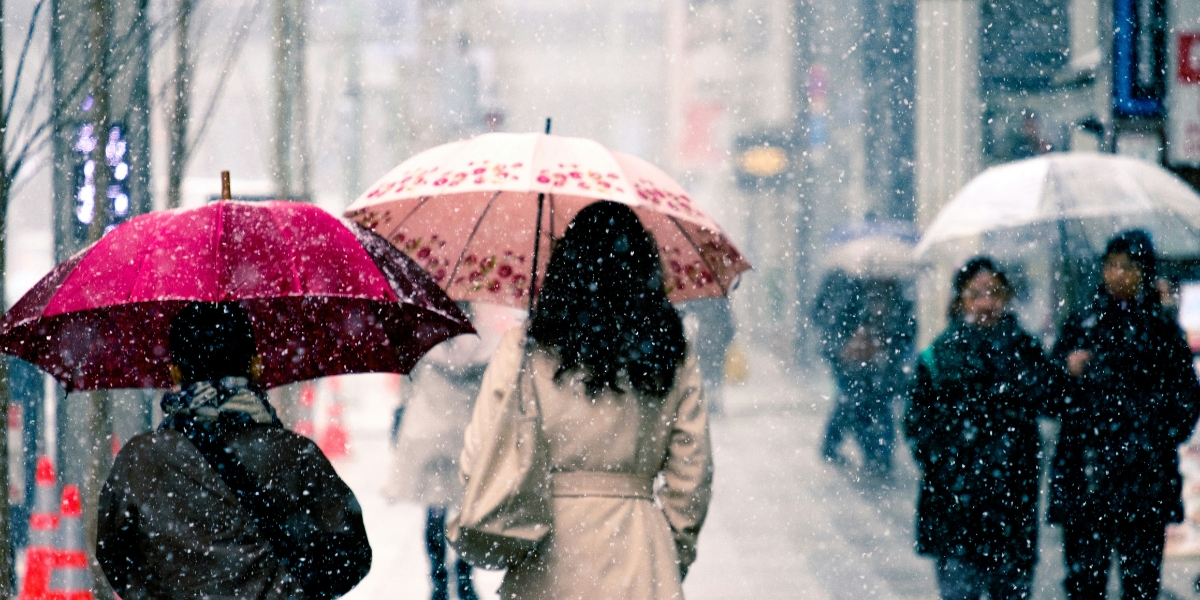



When storms hit Southern California, the first thing most people think about is staying dry, sheltered, and safe. But for many, the aftermath goes beyond wet clothes and wind damage. The burn scars left behind by devastating wildfires add a unique layer of trauma for residents across the state, especially when storms hit the scorched earth. SoCal is no stranger to fire, but the way storms exacerbate mental health issues, especially for those in burned areas, often goes unnoticed.
The Hidden Struggle of Burn Scar Survivors
The scenes are all too familiar. Wildfires rage through California’s dry terrain, leaving behind a landscape of charred earth. This visual destruction is just the beginning of a much deeper emotional toll. For those living in areas that have experienced recent wildfires, the physical and mental scars are lasting. As Southern California’s storm season approaches, this vulnerability intensifies.
The term “burn scar” refers to the areas affected by wildfires where the soil and vegetation are permanently damaged. These scars make the land more susceptible to erosion and mudslides during storms, creating significant safety hazards. For residents in burn scar zones, storms bring a dual threat—flooding from rain and the psychological weight of living in areas still recovering from previous fires.
But the mental health implications run much deeper than the obvious concerns. Burn scars are not just physical remnants of a wildfire; they represent loss, trauma, and a lingering sense of instability. Research shows that people living in fire-damaged areas are at higher risk for mental health disorders, including anxiety, depression, and post-traumatic stress disorder (PTSD). When storms roll in, these residents face the overwhelming fear of mudslides, flooding, and even the return of fires sparked by lightning. For many, it’s a never-ending cycle of trauma and recovery.
How Storms Trigger Mental Health Crises
The emotional impact of living in a burned area cannot be underestimated, and the threat of storms only heightens this reality. For those already struggling with mental health issues, the physical damage of a storm is secondary to the emotional toll it takes. The unpredictability of Southern California’s storm patterns can leave residents feeling trapped, helpless, and anxious.
Experts note that storm-induced trauma is particularly pronounced in people who have experienced recent or ongoing natural disasters. For example, survivors of the 2020 wildfires in areas like Santa Clarita, Malibu, and Ventura County may now face mental health crises triggered by this year’s rainy season. The stress associated with storms, combined with the residual effects of burn scars, creates a perfect storm for worsening anxiety and depression.
This cycle of stress is often compounded by the lack of accessible mental health care in these regions. While physical damage caused by storms is easier to repair and receive assistance for, emotional scars are often left untreated. Community outreach programs that focus on both physical and mental recovery are crucial during these times, yet many SoCal residents remain unaware of the available resources.
The Community Response to Mental Health and Burn Scar Recovery
Fortunately, the awareness surrounding mental health in the wake of wildfires and storms is increasing in Southern California. Local communities have begun offering support systems specifically for those affected by burn scars. Mental health professionals are teaming up with environmental agencies to provide trauma-informed care and counseling services. These programs are vital in helping residents process their experiences and develop coping mechanisms for dealing with the stress of living in high-risk areas.
California’s government has also recognized the mental health risks associated with burn scars and storms. In recent years, legislation has been introduced to provide additional resources for mental health support in communities impacted by both fires and floods. This includes funding for mobile mental health clinics that can reach underserved areas and provide support to individuals in need.
At the grassroots level, SoCal residents are becoming more proactive about seeking help. Social media groups and community networks are offering peer support for those experiencing the trauma of living in burn scar zones. These platforms allow residents to connect, share resources, and offer emotional support. While online communities cannot replace professional mental health care, they provide a critical safety net for people who might otherwise feel isolated.
Addressing the Root Causes of Burn Scar Mental Health Challenges

The key to addressing the mental health challenges in burn scar zones lies in understanding the long-term impact of these environmental disasters. Burn scars are not just a physical danger—they are a constant reminder of the instability many residents feel. For children, in particular, the emotional burden can be overwhelming, as they are forced to cope with both the dangers of fire and the fear of future storms.
Preventative mental health care, such as early counseling for children and families living in burn scar zones, can help reduce the risk of developing chronic stress and anxiety disorders. It’s also essential that state and local authorities collaborate more closely with mental health professionals to create a comprehensive approach to disaster recovery that incorporates both physical and emotional well-being.
Local governments must prioritize building infrastructure that mitigates the risk of erosion and mudslides in burn scar areas. Not only does this protect the physical environment, but it also helps reduce the psychological burden residents face when they feel that their homes and safety are constantly at risk.
Preparing for Future Storms: A Dual Approach
Looking ahead, the reality of living in a storm-prone, fire-scarred region like Southern California requires a dual approach: preparing for physical risks while also addressing the psychological impacts of living in such an environment. While umbrellas and flood barriers can help protect against the physical aspects of a storm, they do little to address the emotional toll it takes on those already living with burn scars.
By focusing on both recovery and resilience, Southern California can better prepare for future storms—not just in terms of infrastructure, but also in terms of mental health preparedness. Communities must continue to push for a more integrated approach to disaster recovery, one that acknowledges the complexity of living with burn scars while also providing support for mental well-being.
The next time a storm rolls in, it’s essential to remember that the umbrella only covers so much. In the end, the true recovery process is about understanding and supporting the mental health of those who live in burn scar zones, ensuring that they can face the challenges ahead with both strength and solidarity.