



The intersection of artificial intelligence and wellness is rapidly transforming how health, fitness, and self‑care content is created, consumed, and marketed. As AI‑driven digital influencers gain traction, they are redefining what it means to engage audiences in the health and wellness space. These AI personalities leverage data, personalization technology, and real‑time interaction to capture the attention of tech‑savvy consumers and shift traditional industry practices.
AI Influencers Gain Ground in Digital Wellness
Artificial intelligence is increasingly woven into influencer marketing, a trend that shows no sign of slowing in 2026. AI‑generated personas, digital influencers powered by advanced algorithms, are now active on major social platforms like Instagram, TikTok, and YouTube, where they produce wellness‑focused content tailored to follower interests and behaviours. Experts note that AI‑generated content will become mainstream across social media, creating new opportunities and challenges for brands and creators alike.
The global wellness industry, already valued at trillions of dollars, is also embracing personalization as a core trend in 2026, prioritizing individualized health strategies that align with AI‑driven tools and insights.
AI influencers differ from human creators in that they are not bound by physical limitations. They can generate content around the clock, respond to audience engagement instantly, and adjust messaging based on real‑time analytics. These digital personalities are increasingly deployed by wellness brands to promote fitness routines, nutrition advice, mindfulness practices, and lifestyle products, often with messaging that feels deeply tailored to individual users.
Personalized Engagement and Health Guidance
One of the most notable capabilities of AI wellness influencers lies in personalization. Unlike traditional influencers who offer general guidance, AI systems can analyze engagement patterns and behavioural data to tailor content that aligns with followers’ preferences and goals. Market research indicates that the AI in personalized nutrition, a segment closely tied to wellness influencers, is projected to grow significantly in the coming years, with the global market forecast to expand as consumer demand for tailored health solutions rises.
These AI entities can suggest workouts, dietary recommendations, and mindfulness exercises that appeal to individual needs. However, accuracy and professional oversight remain important because not all AI health guidance is evidence‑based. A recent survey found that many consumers follow nutrition and wellness advice from AI tools or social media influencers without checking professional credentials, raising concerns about misinformation and health risk.
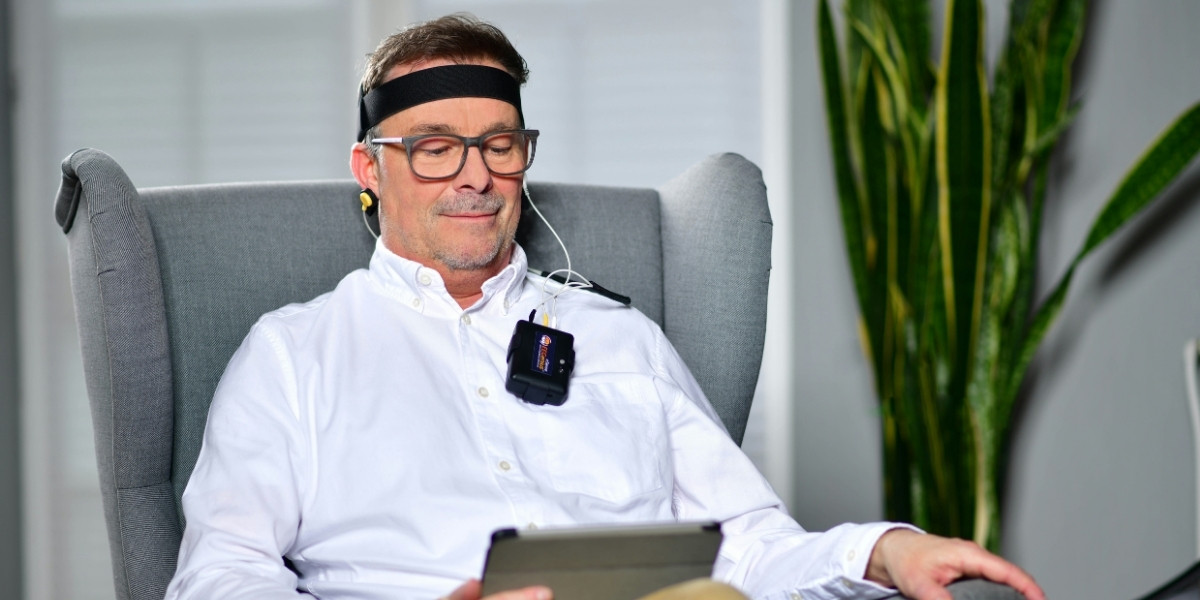
AI also integrates with wearables and biometric technologies, allowing virtual personalities to deliver insights based on heart rate, activity levels, and sleep patterns, data points that help refine wellness recommendations. This integration underscores the ongoing trend toward connected, data‑driven health engagement.
Interaction and Trust in Virtual Influencer Content
AI wellness influencers are designed to foster engagement through interactive experiences. Powered by machine learning and natural language processing, these avatars can respond to user questions, tailor messages in real time, and provide conversational health content that mimics dialogue with a coach or trainer.

This dimension of interaction supports deeper connections between AI influencers and their audiences, a key factor in building trust, especially among younger consumers. For wellness brands, these digital personalities offer scale that traditional influencers can’t match: they can communicate with thousands of followers simultaneously and adapt messaging to suit diverse audience segments.
However, authenticity remains a critical concern. As AI‑generated content proliferates, consumers increasingly expect transparency about when content is produced or guided by artificial intelligence, suggesting that disclosure and ethical practices will be essential to maintaining credibility.
Challenges and Concerns for Traditional Wellness Brands
Traditional wellness companies face both opportunities and challenges as AI influencers enter the mainstream. For many brands targeting millennials and Gen Z, collaborating with digital personalities is becoming a strategic imperative to stay relevant and competitive. These partnerships often support broader product marketing efforts and can expand reach in ways that human‑only influencer campaigns cannot.
At the same time, the rise of AI wellness content raises questions about regulation and safety. Reports have surfaced of AI‑generated deepfake videos misrepresenting real professionals to promote unverified health products, leading to calls for tighter oversight by platforms and regulators.
Industry players also express caution about over‑reliance on AI guidance in areas like mental health. Some states in the U.S. have recently enacted laws restricting the use of AI in clinical mental health services to protect consumers from unregulated software presenting itself as therapeutic support.
Despite these concerns, many wellness brands are integrating AI influencers into broader campaigns to maintain consistent messaging across platforms. AI personalities can be programmed to embody brand values and deliver uniform content, enabling companies to uphold a cohesive voice even as their influencer networks expand.
AI’s Growing Role in Wellness and Tech Innovation
The wellness sector is set for continued expansion, with AI personalization at the forefront of innovation. Industry projections show substantial growth in segments like AI‑driven nutrition and health guidance over the next decade.
In Los Angeles, a city known for embracing cultural and digital trends, AI wellness influencers reflect the convergence of technology and self‑care. These digital figures offer new ways for users to interact with wellness content, from personalized fitness suggestions to data‑informed lifestyle tips. As the trend evolves, AI is expected to deepen its integration with wearable technologies and health analytics, creating a more connected and customized wellness ecosystem.
For many consumers, AI influencers offer a compelling blend of convenience and relevance. But as their presence grows, so does the need for responsible implementation, ethical disclosure, and professional oversight to ensure that wellness guidance remains safe, effective, and grounded in credible practices.
AI Wellness Influence in the Future
The influence of AI in wellness is no longer futuristic, it is unfolding now. Experts predict that AI systems will increasingly shape how health and wellness content is personalized and delivered, with applications that span virtual coaching, smart dietary planning, and immersive interaction.
In Los Angeles and beyond, the trend of AI wellness influencers underscores a broader shift toward intelligent, data‑driven health engagement. As technology advances, the wellness industry will continue to balance innovation with authenticity, striving to harness AI’s capabilities while protecting consumer trust.