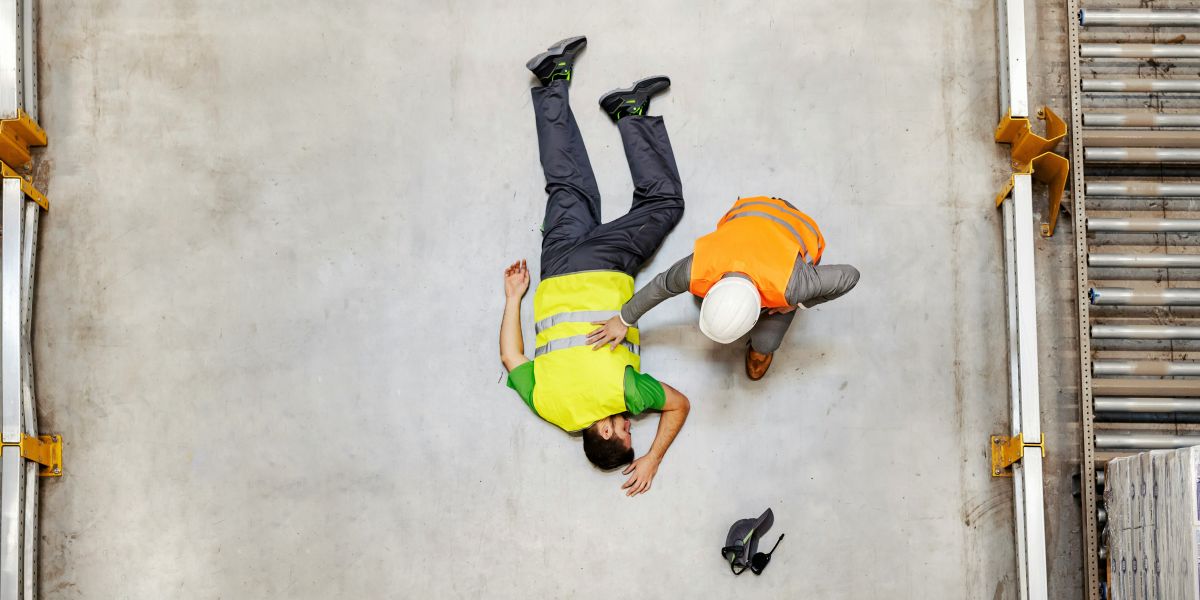



As people move through various environments daily, they may not realize the potential risks they face. Hazards in stores, office buildings, private homes, outdoor spaces, and other locations can lead to slip, trip, and fall accidents, which may result in serious injuries. Understanding the potential causes of these accidents can help victims determine who may have been responsible. Armed with this information, a person may take steps to address their injuries and the effects that slip and fall accidents have had on their life.
Wet and Slippery Floors
Slippery surfaces are among the common causes of slip and fall accidents. Floors can become slick for many reasons, and even a small amount of moisture can dramatically reduce traction and lead to dangerous fall injuries. Some common situations that may create slippery conditions include:
- Spills of liquid products can occur in grocery stores or other retail businesses. Items may fall from shelves or be knocked over by customers, and accidents can occur if these spills are not cleaned up quickly.
- Cleaning activities that involve mopping, waxing, or polishing floors can lead to slippery surfaces. If adequate warning signs are not used to alert people of these temporary hazards, fall accidents can occur.
- Weather-related moisture, such as rain or snow, may be tracked indoors. If the proper floor mats are not placed near building entrances, lobbies, or stairways, slip and fall accidents may become more likely.
- Plumbing issues, including leaks from sinks, refrigerators, or broken pipes, can leave puddles on walking surfaces.
Tripping Hazards Inside Buildings
Indoor spaces can contain numerous obstacles that may increase the risks of trip and fall accidents. These hazards may occur due to everyday wear and tear or because of poor organization within a building. Some common tripping hazards include:
- Cluttered aisles or walkways, which may occur in retail stores, offices, or warehouses when merchandise, boxes, or equipment block people’s walking paths.
- Loose rugs or mats that slide across floors or bunch up at the edges.
- Torn or wrinkled carpets can cause a person’s foot to catch unexpectedly.
- Missing or uneven floor tiles can change the surface level enough to disrupt a person’s stride.
- Extension cords or electrical cables that stretch across floors, especially in offices or event spaces where temporary equipment is used.
- Thresholds or transitions between flooring types that are not clearly visible.
Any irregularity in a walkway can cause a person to trip forward or sideways, and depending on the circumstances, the impact of a fall may lead to broken bones, sprains, head injuries, or other injuries.
Outdoor Walking Area Hazards
Falls frequently occur outdoors where surfaces are exposed to weather, fluctuating temperatures, and heavy use. These conditions often lead to deterioration that can make walking areas hazardous. These issues may include:
Uneven and Damaged Pavement
Sidewalks may become cracked or broken due to the growth of tree roots or regular temperature changes. Parking lots may become covered in potholes if they are not maintained regularly. These uneven areas can cause a person who is walking through the area to lose their footing.
Lighting Issues
Inadequate lighting is a factor that can contribute to outdoor fall accidents. When parking lots, walkways, stairwells, or entrances do not have sufficient illumination, people may be unable to see hazards clearly. Even small defects in pavement or small objects on the ground can become more dangerous when visibility is reduced.
Weather-Related Hazards
Outdoor surfaces may become slippery due to rain, snow, or ice. Without proper upkeep, these conditions can greatly increase the likelihood of a fall. Depending on state laws, property owners may be held responsible for their failure to clear snow or ice, or they may be liable for accidents caused by unnatural issues, such as drainpipes that cause water to accumulate on a sidewalk and freeze.
Dangerous Stairwells and Railing Problems
Staircases are locations where serious fall injuries can occur. When something is wrong with a stairway’s design or condition, the risk of falling increases. People who fall may tumble down one or more flights of stairs, causing multiple types of injuries. Stairway issues that can lead to hazards include:
- Broken or uneven steps
- Loose stair treads
- Worn edges that make steps slippery
- Inadequate lighting
- Objects left on stairs, such as deliveries, bags, or maintenance equipment.
- Defects in railings, which may include loose or wobbly railings, missing railings, or improperly installed railings
Additional Conditions That May Lead to Falls
Many other conditions in public, private, or commercial spaces may increase the risks of falls that can lead to serious injuries, including:
Poor Building Maintenance
Buildings that are not regularly inspected or repaired may develop hazards such as:
- Loose floorboards
- Sloped floors caused by settling foundations
- Water damage that can weaken flooring materials
Inadequate Warning Signs
Temporary hazards, such as newly cleaned floors or areas where maintenance is being performed, may become dangerous when the proper warning signs are not placed where people can easily see them. Without clear indicators, a person may unknowingly enter an unsafe area and suffer serious injuries in a fall.
Obstructed Emergency Exits
When exit routes or hallways are blocked, people may need to navigate around obstacles quickly, increasing the chance of falling.
Changes in Floor Surfaces
Shifting from carpet to tile or from concrete to a polished surface can cause a person to misjudge the amount of traction that a surface provides. These transitions can put people at risk of falling when they are not marked clearly.
Options for Victims of Slip, Trip, and Fall Injuries
While losing one’s footing and falling may not seem like a serious situation, these accidents can lead to multiple types of serious injuries. A person may strike their head on the ground or other nearby objects, leading to traumatic brain injuries. They may experience broken bones, such as wrist fractures, when they brace themselves during a fall. Sprains or strained muscles can occur in the arms, shoulders, wrists, legs, knees, ankles, or back. A serious fall could cause back and spine injuries. All of these issues can combine to cause serious setbacks in a person’s life.
When a fall injury occurred due to hazards that were present, the property owner or the party who was in control of the property could be held responsible. A premises liability claim may allow a victim to obtain compensation for the injuries they have suffered and the financial losses they have experienced. However, these claims can be complicated. An attorney with experience representing individuals who have been injured in slip and fall accidents can provide guidance on the course of action to take. By taking steps to secure compensation, a victim can avoid financial difficulties and move forward as they recover from their injuries.
Disclaimer: The information provided in this article is for general informational purposes only and should not be construed as legal advice. For advice specific to your situation, please consult with a qualified legal professional.