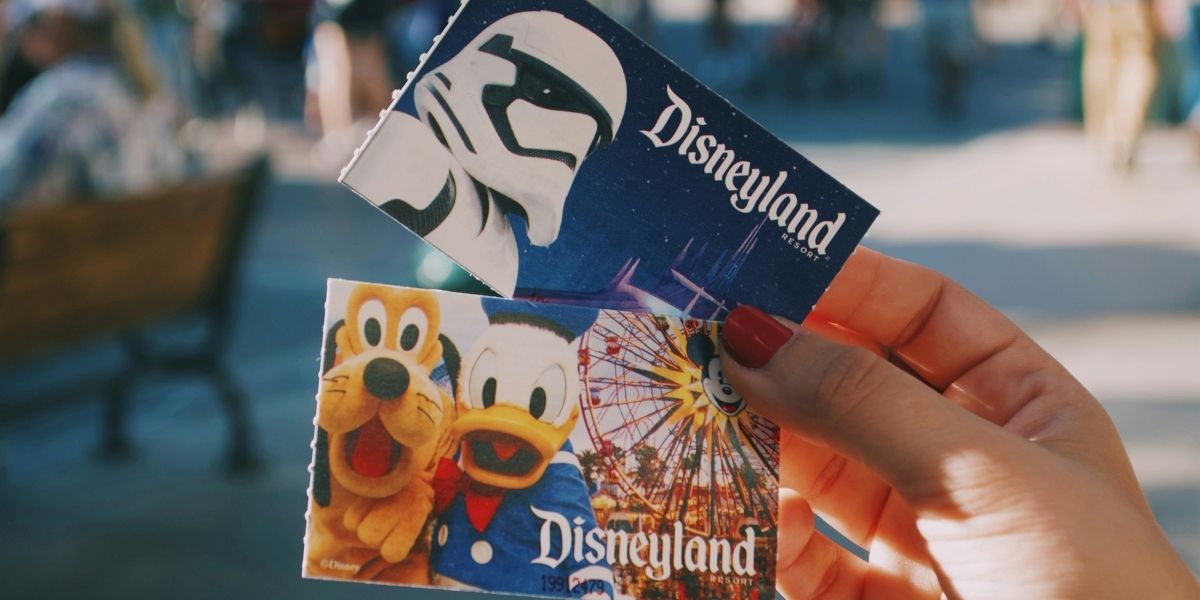




Disneyland Resort in Anaheim, California, has seen a notable shift in its guest demographic, with more than half of its visitors now coming from within the state of California. This trend has been particularly significant in recent years, as the theme park has worked to adjust its approach to changes in the broader tourism landscape. While Disneyland has long attracted visitors from around the world, the growing reliance on local guests is helping the park mitigate the effects of a decline in international tourism.
The slowdown in international travel to U.S. destinations has been reflected in broader tourism trends, which have affected major theme parks like Disneyland. According to Disney executives, local visitors have increasingly become a core component of the park’s attendance numbers. This shift is seen as one of the ways Disneyland has been able to maintain steady visitor numbers despite changes in the global tourism environment.
International Tourism Declines as U.S. Parks Adjust
The global tourism market has faced challenges in recent years, with several factors contributing to a decline in international visitors to U.S. parks like Disneyland. Travel restrictions, economic factors, and shifting travel preferences have all played a role in the reduced influx of tourists from abroad. This shift has been particularly noticeable in comparison to the surge of visitors Disneyland experienced in previous years.
For Disneyland, the drop in international tourism has prompted a reassessment of its guest profile. With fewer international visitors, particularly from markets in Asia and Europe, the park has increasingly relied on local guests to fill the gap. In addition to California residents, the park has also seen strong attendance from visitors within the broader U.S. region. While international tourism remains a significant part of Disneyland’s operations, the growing base of local visitors is helping to offset the impact of these declines.
Relying on Local Visitors to Drive Attendance
Disneyland’s focus on California residents has become increasingly important as local guests now account for more than 50 percent of total park visitors. This shift has been reflected in changes to park offerings and promotions tailored to attract guests from within the state. Special discounts for California residents, targeted advertising campaigns, and seasonal events have all been used to maintain interest from locals.
This strategy of catering to local guests has allowed Disneyland to maintain a strong customer base, even as global tourism trends fluctuate. Disneyland’s efforts to connect with the local community have been evident through various initiatives aimed at making the park more accessible and appealing to California residents. As the local visitor base grows, Disneyland has been able to maintain strong attendance numbers, despite the challenges posed by a reduction in international guests.
Broad Trends in U.S. Tourism Reflect Disneyland’s Experience
Disneyland’s experience mirrors broader trends in U.S. tourism, where local travel has gained ground while international arrivals have softened. According to data from industry sources, domestic tourism within the U.S. has seen a steady increase, with more Americans opting to travel within the country rather than abroad. This shift in travel behavior has been influenced by factors such as the easing of COVID-19 restrictions and changes in global economic conditions.
While U.S. tourism has seen an uptick in domestic visitors, international arrivals have faced several hurdles, including visa processing delays, fluctuating exchange rates, and global economic uncertainties. As a result, destinations like Disneyland have adapted to the changing landscape by emphasizing their appeal to local visitors. With domestic tourism expected to remain a significant focus for the foreseeable future, theme parks like Disneyland are adjusting their marketing strategies to cater to this evolving trend.
Disneyland’s Efforts to Adapt to Changing Visitor Demographics
In response to shifting visitor demographics, Disneyland Resort has introduced several changes to its offerings. The park has adjusted its marketing approach to appeal more directly to local communities, offering tailored experiences for California residents and families. Additionally, Disneyland has focused on creating experiences that resonate with U.S. travelers, while continuing to maintain the global appeal of its brand.
While the park has remained an iconic destination for international tourists, the increasing reliance on local visitors is helping to ensure that Disneyland can continue to operate successfully in a changing environment. The park’s ability to adapt to these changes reflects its commitment to providing an experience that resonates with both local and international guests.
As Disneyland continues to evolve, the park’s focus on its local visitor base may provide a sustainable model for future growth. By attracting a diverse range of guests, including both locals and domestic travelers, Disneyland is positioning itself to remain a top destination despite the challenges facing the broader tourism industry.