
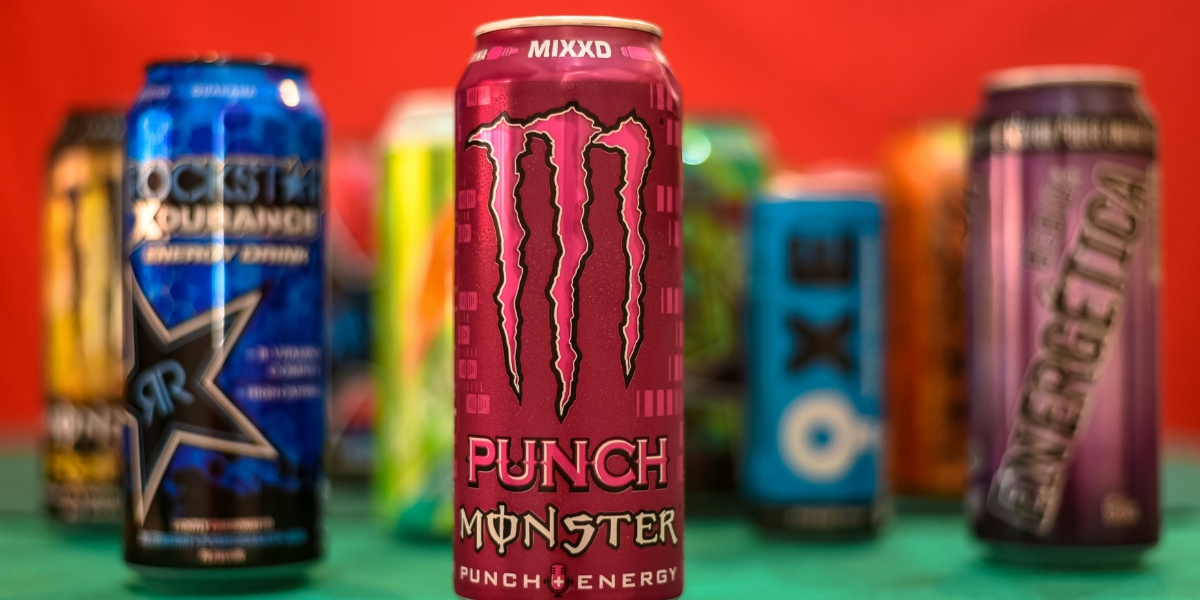




Energy drinks have become a staple in many people’s daily routines, particularly among students, professionals, and athletes. Packed with caffeine, sugar, and other stimulants, these drinks are often seen as a quick energy boost, promising alertness and enhanced performance. However, doctors and health experts are now raising alarms over the potential risks linked to heavy consumption, with serious concerns about stroke and heart issues.
The Hidden Dangers of Energy Drinks
While energy drinks may seem harmless, their health effects are increasingly under scrutiny. The primary ingredients—caffeine and sugar—can put significant strain on your cardiovascular system, especially when consumed in large quantities. High doses of caffeine are known to increase heart rate and blood pressure, which can lead to a range of heart issues, from arrhythmia (irregular heartbeat) to, in extreme cases, heart attacks.
In particular, a study from the American Heart Association suggests that the heavy consumption of energy drinks can elevate the risk of stroke, especially for those with preexisting heart conditions or hypertension. The combination of sugar and caffeine can cause a sudden spike in blood pressure, which can strain the blood vessels and increase the likelihood of a clot forming in the brain, leading to a stroke.
Caffeine’s Role in the Risk Equation
Caffeine is the primary stimulant in most energy drinks, and while it can temporarily improve alertness and concentration, it comes with significant side effects. For many, consuming more than 400 mg of caffeine per day—the equivalent of about four cups of coffee—can trigger unwanted side effects, including anxiety, jitteriness, and insomnia.
More concerning, however, is how caffeine affects the heart. In addition to raising blood pressure, high levels of caffeine can lead to increased stress on the heart muscles. According to experts, this can be particularly dangerous for individuals who are already at risk for cardiovascular events.
Cardiologists based in Los Angeles note that “energy drinks are often marketed as a quick solution to fatigue, but their long-term effects can be detrimental to the heart, particularly when consumed regularly in high doses.”
Stroke Risk and the Link to Blood Pressure
High blood pressure is a known contributor to both heart disease and stroke. When blood pressure spikes, the blood vessels in the brain are under immense pressure, increasing the risk of a stroke. Energy drinks, with their potent mix of caffeine and sugar, can cause a sudden rise in blood pressure, which puts users at a higher risk of both ischemic and hemorrhagic strokes.
In addition to the strain they put on the heart, energy drinks can also increase the risk of blood clots, which are often the cause of strokes. The American Stroke Association highlights that a high intake of caffeine and stimulants can contribute to blood clotting and arterial narrowing, both of which increase the likelihood of a stroke.
What Experts Say About Moderation

The key to avoiding these health risks is moderation. Many doctors emphasize that occasional energy drink consumption is unlikely to cause significant harm to healthy individuals, but heavy, regular consumption can be dangerous. “If you’re regularly consuming energy drinks, particularly if you’re drinking several in one day, you could be placing undue stress on your cardiovascular system.”
Health experts also recommend that people monitor their total caffeine intake from all sources, including coffee, tea, and sodas, as too much caffeine can add up quickly. For individuals with preexisting health conditions such as hypertension or arrhythmia, the risks are even greater.
Energy Drinks and Young Consumers: A Growing Concern
Young adults, especially teenagers, are among the most frequent consumers of energy drinks. This demographic is particularly vulnerable to the adverse effects of high caffeine consumption. Studies have shown that young people may be more sensitive to the effects of caffeine, making them more likely to experience rapid heartbeats, increased anxiety, or even more serious conditions like seizures.
In addition to heart and stroke risks, excessive sugar intake from energy drinks is also contributing to the growing concerns about obesity and diabetes. For a city like Los Angeles, where health trends and lifestyle choices often shape national conversations, it’s critical to educate younger consumers about the dangers of heavy energy drink consumption.
The LA Health Community Weighs In
The Los Angeles health scene is no stranger to conversations about wellness, and the growing awareness about the risks associated with energy drinks has become a topic of concern among local health professionals. From the holistic wellness advocates of Venice Beach to the more clinical voices in Beverly Hills, the message is clear: moderation is key, and consumers need to think twice before reaching for another can of energy-boosting liquid.
With LA’s vibrant fitness culture and bustling professional scene, many locals are turning to energy drinks to keep up with their demanding schedules. However, experts suggest that it’s better to opt for healthier alternatives, such as herbal teas, natural fruit juices, or coconut water, which can provide hydration and mild energy boosts without the risks.
The Need for Awareness in LA’s Busy Culture
In a city where “hustle culture” is often praised, it’s easy to overlook the hidden health risks of consuming energy drinks. However, as the scientific community continues to spotlight the negative effects, it’s important to pay attention to the long-term consequences. By choosing moderation and becoming more conscious of what’s in our drinks, Angelenos can continue their fast-paced lifestyles without sacrificing their health.
Disclaimer: The information provided in this article is for informational purposes only and is not intended as medical advice. The effects of energy drinks on health may vary depending on individual health conditions and lifestyle. Always consult with a healthcare professional before making changes to your diet or lifestyle, especially if you have preexisting conditions such as hypertension, heart disease, or other health concerns. LAWire.com does not endorse the use of energy drinks and encourages readers to make informed decisions about their health.
