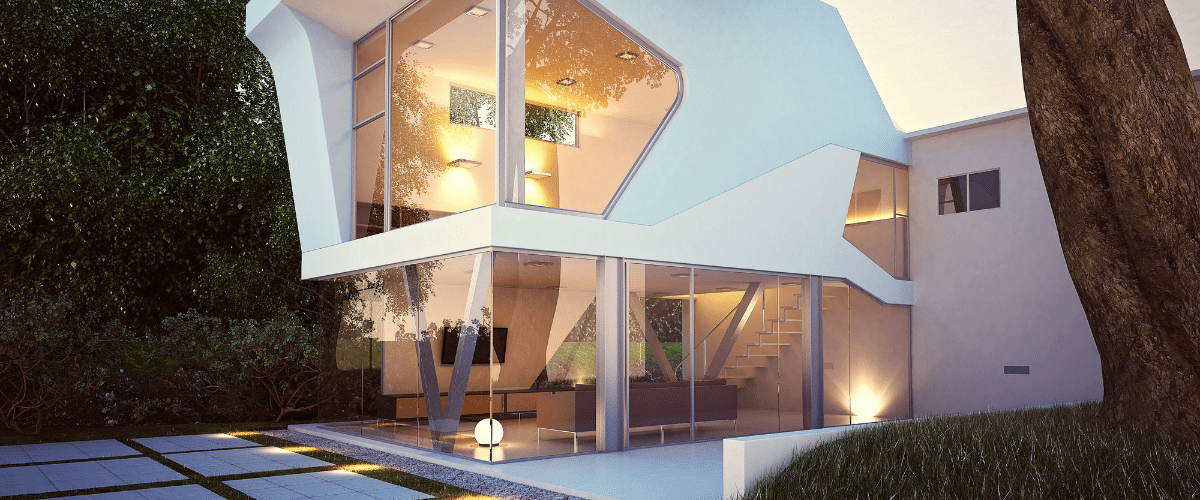





The home mirrors its inhabitants’ identities, aspirations, and philosophical outlooks. As we stride into the 21st century, our living spaces continue to evolve, embracing new designs and technologies that enhance our daily lives. Modern home design trends are not mere fads that fade with the season; they reflect changing lifestyles and a collective shift toward efficiency, sustainability, and personalization. These trends challenge us to rethink how we interact with our environments, urging a harmonious blend of form, function, and ethics. With insights from newhomestar.com, let us explore how these trends shape homes worldwide.
Blending Style and Sustainability
Trendsetters in home design are rapidly adopting a philosophy that bridges the gap between aesthetic appeal and environmental responsibility. Innovative designs often prioritize using materials and practices that minimize ecological impact—a commitment evident in selecting low-emission finishes, energy-efficient appliances, and water-conserving fixtures. Designers and builders are harnessing the advances in green technology to create homes that are beautiful and have a diminished carbon footprint. This shift towards sustainable living is crucial as we face rising environmental challenges, offering a pathway to stylish homes that future generations can admire and inhabit. To delve deeper into the advantages of eco-friendly construction, one can turn to the information provided by the US Environmental Protection Agency.
Smart Homes: The Intersection of Technology and Comfort
The rise of smart home technology drives the trend of digital innovation in the domestic sphere. The modern homeowner can now enjoy the convenience and efficiency offered by integrated systems that control lighting, climate, entertainment, and security with simple voice commands or a tap on a smartphone. These technologies ensure a more comfortable and convenient living experience and greatly enhance home safety. Automated security cameras, alarms, and locks can be managed remotely, giving peace of mind whether you’re at home or away. As this technology becomes more ubiquitous, the notion of a connected home is shaping up to be a luxury and a standard for modern living.
Embracing Minimalism: Less Is More
The minimalist design ethos responds to the overstimulation and clutter of modern life, positing that physical spaces can influence our mental and emotional states. Living areas with uncluttered aesthetics and practical simplicity offer a respite from the day’s chaos. Minimalism is not about living with the least possible but about making room for more of what matters. Thoughtfully selected pieces embody form and function—such as sleek, space-saving furniture and subtle yet impactful decor—to make a minimalist space a calming sanctuary. The less-is-more approach brings striking elegance and a sense of spaciousness to homes, allowing residents to breathe and focus on their lifestyle rather than their belongings.
Maximizing Small Spaces with Multi-functional Furniture
As urban environments become denser, the need to utilize space creatively grows with each square foot. Multi-functional furniture has emerged as a savior for small spaces, combining design innovation with utility. Whether it’s a coffee table that transforms into a dining space, a wall bed that folds away to reveal a home office, or ottomans that offer seating and storage, these transformative pieces are indispensable for city dwellers. With the clever use of such furniture, even the coziest of apartments can feel spacious and be as functional as their larger counterparts. The goal is to select items that offer flexibility and scalability—a reflection of how modern furniture design can adapt to our dynamic lifestyles.
Color Palettes and Personal Expression
Selecting the right color palette for your home can be a profoundly personal decision, with each hue holding the potential to set the mood for every room. The prevailing trend is leaning toward bold statements and individualistic choices rather than conforming to a standard palette. Deep, vibrant colors may energize spaces, while pastels and neutrals provide a serene backdrop for day-to-day life. Moreover, advances in paint technology mean that homeowners can experiment with textures and finishes for an even more customized look, bringing walls and surfaces to life. As we understand more about the influence of color on our lives, as mentioned by Psychology Today, the ability to personalize our living spaces through color has become a cornerstone of modern home design.
Published by: Nelly Chavez