
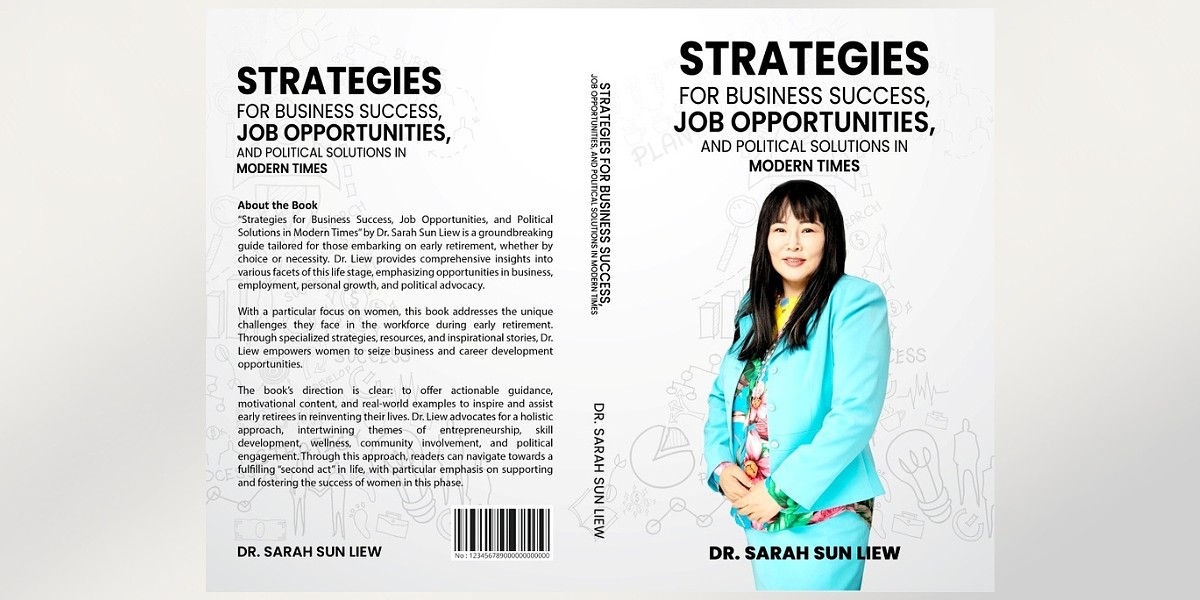




In a professional landscape defined by rapid change, client-centered communication, and performance-driven outcomes, practical field training has become an essential component of modern education. Liberty / Meridian Institute of Technology University has integrated Field Training & Demonstration Skills into its academic framework to bridge the gap between theoretical knowledge and real-world application. Guided by the leadership vision of Dr. Sarah Sun Liew, the program emphasizes experiential learning as a pathway toward professional confidence, adaptability, and ethical engagement. Rather than focusing solely on classroom instruction, the initiative seeks to cultivate individuals who can translate structured knowledge into meaningful action within dynamic business environments.
The shift toward experiential education reflects broader changes in workforce expectations. Employers increasingly value professionals who can communicate effectively, present solutions clearly, and demonstrate practical competence during real interactions. Traditional lecture-based learning models often provide foundational understanding but may leave learners unprepared for the complexities of client-facing roles. Liberty / MIT University’s field training program addresses this challenge by placing participants in simulated environments designed to mirror authentic professional scenarios. Through guided demonstrations, role-playing exercises, and collaborative presentations, learners gain hands-on experience that strengthens both technical knowledge and interpersonal skills.
Dr. Sarah Sun Liew has frequently emphasized that field training represents more than a method of skill acquisition; it is a process of personal development that encourages individuals to discover their leadership presence. Participants are taught to view demonstrations not merely as promotional activities but as educational opportunities that foster trust and mutual understanding. This perspective reflects the institution’s broader philosophy of ethical communication, where clarity, transparency, and respect are prioritized over transactional outcomes. By encouraging learners to approach each interaction as a chance to inform and empower others, the program aims to cultivate professionals who value long-term relationships rather than short-term success.
A central pillar of the curriculum involves structured presentation techniques designed to enhance clarity and engagement. Participants explore methods for organizing information logically, incorporating storytelling elements that resonate with audiences, and adapting communication styles to different professional contexts. Through iterative practice sessions, learners refine their delivery while receiving constructive feedback from mentors and peers. These exercises help participants build resilience and composure, enabling them to respond effectively to questions, objections, or unexpected challenges during live demonstrations.
Technology integration plays a significant role in shaping the field training experience. Modern professionals often rely on digital platforms to conduct virtual meetings, remote demonstrations, and interactive presentations. Liberty / MIT University introduces participants to collaborative software, visual presentation tools, and virtual communication platforms that reflect contemporary workplace realities. By incorporating these technologies into training scenarios, the program helps to ensure that learners develop the adaptability required to navigate both in-person and remote professional environments. Dr. Liew has highlighted that technological fluency is no longer optional but an essential component of effective communication in a globalized economy.
Another defining aspect of the program is its focus on audience awareness and emotional intelligence. Participants learn to recognize diverse communication styles, interpret nonverbal cues, and adjust their approach based on the needs of different clients or stakeholders. Workshops often include exercises that encourage empathy and active listening, reinforcing the idea that successful demonstrations depend on understanding the perspectives of others. This emphasis on relational intelligence reflects Dr. Sarah Sun Liew’s belief that leadership begins with the ability to connect authentically with people from varied backgrounds.
Mentorship serves as a cornerstone of the field training model, providing participants with guidance rooted in real-world experience. Experienced professionals collaborate with learners to evaluate presentation techniques, offer strategic advice, and encourage reflective growth. These mentorship interactions create opportunities for dialogue that extend beyond technical instruction, allowing participants to explore their professional goals and refine their communication style. Observers note that mentorship-driven learning environments tend to foster deeper engagement, as individuals feel supported in experimenting with new approaches while developing confidence in their abilities.
Peer collaboration further enriches the training process. Participants frequently work in teams to design and deliver demonstrations, encouraging them to exchange ideas and learn from diverse perspectives. Group-based exercises simulate real workplace dynamics, where collaboration and adaptability are essential for success. By engaging in shared problem-solving, learners develop a broader understanding of how teamwork influences communication outcomes and organizational effectiveness.
Ethical communication remains a guiding principle throughout the curriculum. Dr. Sarah Sun Liew has emphasized that demonstrations should prioritize education and transparency rather than persuasion alone. Participants explore how to present information accurately, address potential concerns responsibly, and maintain professionalism even in challenging situations. This values-driven approach reflects the institution’s commitment to cultivating professionals who view communication as a form of stewardship, ensuring that interactions contribute positively to both individual relationships and broader community trust.
The program also addresses the psychological aspects of public presentation. Many professionals experience anxiety when speaking in front of audiences or engaging in high-stakes demonstrations. Through supportive practice environments and incremental skill-building exercises, participants learn techniques for managing stress and maintaining composure. Confidence-building activities encourage learners to embrace vulnerability as part of the growth process, reinforcing the idea that effective communication evolves through continuous practice and reflection.
Supporters of the Field Training & Demonstration Skills initiative argue that experiential education provides a direct pathway to professional readiness. As industries increasingly prioritize performance-based competencies, individuals who can demonstrate practical expertise often gain a competitive advantage. Liberty / MIT University’s approach seeks to empower participants with the ability to translate knowledge into action, fostering a mindset that values preparation, adaptability, and continuous improvement.
Critics sometimes question whether simulated environments can fully capture the unpredictability of real-world interactions. The institution acknowledges this limitation while emphasizing that structured simulations serve as preparatory experiences rather than replacements for professional practice. By combining controlled training scenarios with opportunities for real-world application, the program aims to create a balanced educational pathway that supports both experimentation and growth. Participants are encouraged to view each exercise as a stepping stone toward greater confidence and competence.
Interdisciplinary learning also shapes the field training experience. Participants explore how demonstration skills intersect with business strategy, leadership communication, and technological innovation. Discussions often highlight the importance of aligning presentation content with organizational values and audience expectations, reinforcing the idea that effective demonstrations require both technical knowledge and strategic insight. This holistic approach reflects Dr. Sarah Sun Liew’s broader vision of preparing professionals for complex environments where multiple skills must be integrated seamlessly.
Global perspectives add another dimension to the program’s relevance. As professionals increasingly interact with clients and collaborators across cultural boundaries, understanding cross-cultural communication becomes essential. Liberty / MIT University incorporates discussions about cultural sensitivity, communication etiquette, and international business norms, helping participants develop the awareness needed to navigate diverse professional contexts. These conversations encourage learners to approach demonstrations with humility and respect, recognizing that effective communication requires adaptability and openness.
Digital learning platforms extend the impact of field training beyond traditional classrooms. Recorded practice sessions, virtual workshops, and interactive feedback tools allow participants to revisit their progress and continue refining their skills over time. This continuous learning environment reflects the institution’s commitment to long-term development, ensuring that participants can evolve alongside changing professional demands. Dr. Liew has emphasized that education should remain a lifelong journey, where each new experience contributes to personal and professional growth.
Looking ahead, Field Training & Demonstration Skills for Real-World Application represents a forward-thinking approach to experiential education. By integrating structured practice, mentorship, technological innovation, and ethical leadership principles, Liberty / MIT University aims to prepare individuals for the complexities of modern professional life. The program highlights how education can move beyond theoretical instruction to cultivate confidence, clarity, and purpose in real-world interactions. Ultimately, the initiative reflects Dr. Sarah Sun Liew’s broader vision of transforming education into a dynamic process that empowers individuals to communicate with authenticity and impact. Through its emphasis on experiential learning and collaborative development, the program encourages participants to view demonstrations not merely as professional tasks but as opportunities to inspire understanding and build meaningful connections. As industries continue to evolve, the ability to translate knowledge into action may become one of the most valuable skills professionals can possess, and Liberty / MIT University’s field training model seeks to equip learners with precisely that capability.
Media Features
AP News Press Release
The US Journal Feature
Author Profile
https://wikitia.com/wiki/Dr._Sarah_Sun_Liew
Direct Contact
(424) 343-7025 / info@meridianwish.com
Learn More
Liberty & MIT (Meridian Institute of Technology)