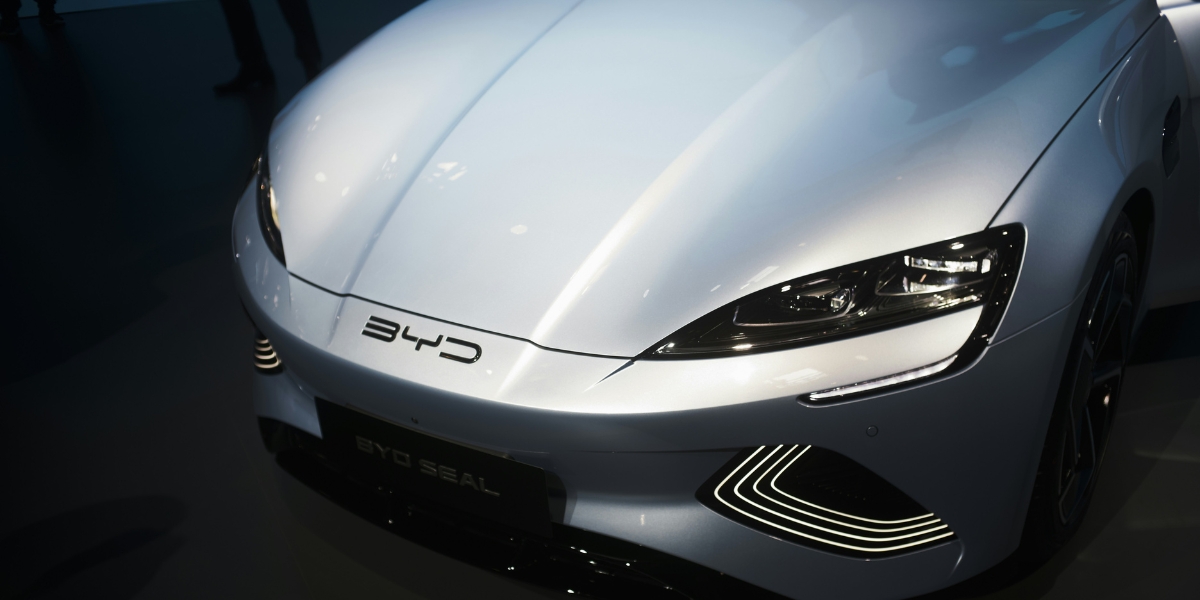




The electric vehicle (EV) industry has long been dominated by Elon Musk’s Tesla, which set the bar for innovation, luxury, and electric mobility. However, over the past year, a new challenger from China, BYD (Build Your Dreams), has risen to the top. In a dramatic turn of events, BYD has managed to overtake Tesla in global electric car sales, signaling a shift in the EV market that could have long-lasting effects on Tesla’s leadership position.
BYD’s dominance has not happened overnight. It’s been a slow-burning success story that has taken the world by surprise. Let’s break down how BYD went from being overlooked to the number one EV maker in the world.
Tesla’s Decline: The Road to Challenges
Tesla’s dominance in the EV market seemed untouchable for years. From its high-performance vehicles to its cutting-edge autonomous driving technology, Tesla defined what an electric car should be. But recent months have shown cracks in Tesla’s armor. While the company continues to innovate, it’s been facing increasing competition from companies like BYD and traditional automakers who are also making significant strides in electric mobility.
One of Tesla’s main challenges has been rising production costs, including raw material prices and supply chain disruptions. The cost of lithium, a key component in EV batteries, has skyrocketed, which has made it difficult for Tesla to keep up with its pricing structure. As a result, the company has had to make difficult decisions, such as adjusting prices and introducing more affordable versions of its vehicles.
Tesla’s competition has become fiercer than ever, with companies like Ford and Volkswagen launching their own electric vehicles. But it’s BYD, with its innovative approach to production and localizing supply chains, that has truly risen as a formidable threat to Musk’s company.
BYD’s Strategy: Innovation Meets Affordability
What sets BYD apart is its focus on offering a broader range of vehicles that cater to different segments of the market. Unlike Tesla, which has been focusing primarily on luxury and high-end EVs, BYD has capitalized on the growing demand for affordable electric cars. With its lineup of both electric sedans and SUVs, BYD has been able to attract a much wider audience.
BYD’s production capabilities have also given it an edge in the market. The company has established strong relationships with Chinese suppliers, allowing it to control its production costs more effectively than Tesla. This has enabled BYD to offer competitive pricing without sacrificing quality. BYD also manufactures its own batteries, unlike Tesla, which sources from multiple suppliers, giving it further leverage over its competitors.
In addition, BYD’s local production facilities across different markets, especially in Asia and Europe, have helped it maintain a steady supply of vehicles. This strategy has allowed BYD to scale production more rapidly and avoid the bottlenecks that have plagued Tesla during times of supply chain issues.
The Global Expansion: Entering New Markets
While Tesla initially benefited from being one of the first movers in the global EV market, BYD has used a different approach to expand its footprint. The company has aggressively targeted emerging markets, particularly in China, where electric car sales are booming. The Chinese government’s push for green energy has played a key role in BYD’s rise, as the company has taken advantage of subsidies and incentives to lower the price of its EVs.
BYD’s vehicles are also starting to make their way into European and Latin American markets. These regions are crucial to the company’s long-term strategy, as they provide a high potential for growth and adoption of electric mobility. BYD has taken a more regional approach, aligning itself with local regulations and consumer preferences in each market, a move that Tesla has struggled to replicate.
Elon Musk Responds: Adapting to the New EV Landscape
As BYD’s success continues to rise, Tesla has responded with price cuts and more budget-friendly models. Elon Musk, known for his visionary leadership, has made it clear that Tesla is still committed to mass market adoption, but the company faces a much more competitive landscape than ever before.

One of the key areas Tesla is focusing on to fight back is technology. Tesla’s autonomous driving features and its push to develop fully self-driving cars are areas that BYD has not yet heavily invested in. Musk has also pushed forward with the idea of a “Tesla Model 2,” a smaller and more affordable vehicle that could help the company win back some market share from BYD’s lower-cost offerings.
BYD’s ability to continuously innovate without relying solely on cutting-edge tech like Tesla’s makes it a more well-rounded competitor in the eyes of the average consumer. As the global EV market becomes more saturated, BYD’s strategy of offering a broader range of vehicles at competitive prices has made it a dominant force.
The Future: A New EV Landscape in the West Coast
With BYD taking the lead in global sales, it’s clear that Tesla no longer holds an unchallenged grip on the electric car market. The company will have to adapt to the changes that are already underway. While BYD still has some way to go to match Tesla’s brand power and innovative edge, it is undeniable that the tides are turning in favor of the Chinese automaker.
As the world’s most influential car markets—the U.S. and Europe—continue to embrace electric vehicles, BYD’s expansion into these regions will have a direct impact on Tesla’s dominance. California, known for its green initiatives and cutting-edge technology scene, will likely play a pivotal role in shaping the future of EV dominance in the U.S. With more affordable options and a wider variety of vehicles, BYD may very well emerge as the new leader in California’s evolving electric vehicle market.
BYD’s rise to dominance marks the end of Tesla’s long-standing monopoly on the EV market. As both companies continue to evolve, the future of electric vehicles looks to be more diverse and competitive than ever before.