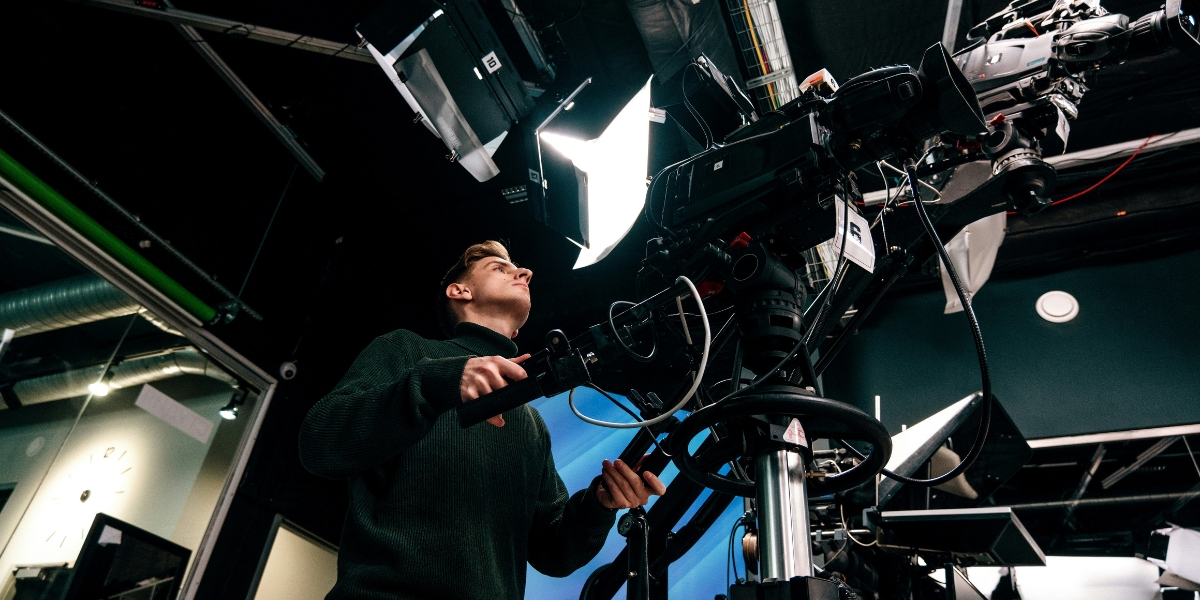




Los Angeles has long been the epicenter of the film industry, with its iconic studios, sprawling backlots, and a relentless flow of creativity. But recent shifts in the global production landscape are beginning to challenge the city’s traditional dominance. As film production moves to new regions and technologies reshape the industry, LA’s entertainment economy is being forced to adapt. This article explores how these changes are impacting jobs, creative opportunities, and businesses across LA.
The Shift to Global Production
For decades, Hollywood has been synonymous with film production. However, rising production costs, tax incentives from other regions, and advances in digital filmmaking have led many major studios to explore locations beyond Los Angeles. Countries like Canada, the UK, and Australia have become popular alternatives, offering competitive financial incentives and cutting-edge technology that rival LA’s traditional infrastructure.
Despite these shifts, LA remains central to film distribution, marketing, and talent management. However, the physical production phase is no longer as synonymous with the city as it once was. According to industry reports, more than 40% of all U.S. production now occurs outside of California, a sharp contrast to the city’s longtime position at the heart of the industry.
Impact on LA’s Workforce
As production shifts out of state and abroad, it has had a tangible effect on the LA workforce. Many crew members who once thrived in Hollywood’s bustling film scene are now finding themselves facing uncertainty. Los Angeles has long supported a vibrant ecosystem of electricians, carpenters, makeup artists, sound engineers, and countless other professionals who rely on film production jobs to make a living.
As fewer productions take place in the city, this workforce is being forced to consider alternative career paths or relocate to other parts of the country. This has created a ripple effect across the local economy. For example, small businesses that provide essential services to the film industry—such as catering, props, and set construction—are also feeling the pinch. LA’s creative economy is no longer as robust as it once was, with some of these companies scrambling to adjust to the new normal.
The Rise of Digital Filmmaking
One of the most significant drivers of change is the rise of digital filmmaking and streaming platforms. With the advent of high-definition cameras and editing software that can be accessed remotely, filmmakers no longer need to rely on physical studios in LA. Independent filmmakers, in particular, are thriving in this new environment, often producing projects from their homes or small studios.
Platforms like Netflix, Amazon Prime, and Apple TV+ have shifted the industry’s focus from large theatrical releases to streaming content that can be made anywhere. LA still plays a crucial role in the production of high-budget films, but the nature of content creation has shifted. More production companies are outsourcing post-production work to places like New York, Georgia, and even abroad. While LA remains the city of choice for talent and distribution, it’s no longer the only location where filmmaking happens.
Opportunities for LA’s Film-Tech Scene

While LA’s traditional production scene faces challenges, the city’s growing film-tech industry is starting to fill the void. Startups in Hollywood and Silicon Beach are developing new software and platforms designed to streamline the production process. From virtual production studios like those pioneered by companies such as Epic Games to advancements in AI-driven editing, LA is positioning itself as the hub for the next wave of film technology.
These innovations are creating new opportunities in LA’s tech and creative sectors. The demand for skilled workers in areas like digital effects, virtual reality, and augmented reality is on the rise. Companies that focus on these emerging fields are attracting top talent, and many production companies are now investing in tech to complement their traditional filmmaking processes.
The Future of Hollywood’s Economy
The future of LA’s entertainment economy hinges on its ability to adapt to these changes. While the loss of large-scale productions may seem like a blow to Hollywood, the city is leaning into its strengths—its vast creative network, diverse talent pool, and unmatched access to global distribution platforms.
What’s clear is that the future of film production in Los Angeles will look different than it did a decade ago. It will be more diverse, more tech-driven, and perhaps even more distributed. As production moves beyond the studio and into virtual spaces, the role of LA will shift from a physical center of production to a global hub for talent, distribution, and technology.
With the rise of streaming and digital platforms, the work done by Los Angeles-based filmmakers, actors, and technicians can be accessed from anywhere in the world. As the city embraces these new models, the entertainment economy could undergo a rebirth. The challenge will be in making sure that LA remains an attractive place for both old and new industries to thrive.
How LA Can Maintain Its Cultural Leadership
Los Angeles has always been the place where art meets commerce, and the city’s deep ties to creativity and entertainment are unlikely to fade. But to remain relevant, LA must continue to innovate. Strengthening its tech scene, embracing virtual production, and adapting to changes in distribution are just the beginning.
The influx of new digital platforms and the evolution of content production offer an opportunity for LA to reaffirm its position as the leading force in global entertainment. But in doing so, the city will need to foster new connections between traditional filmmakers, tech companies, and creative professionals.
The future of LA’s entertainment economy lies in the intersection of technology, storytelling, and global access—an exciting prospect that promises to redefine how we experience film and television for decades to come.