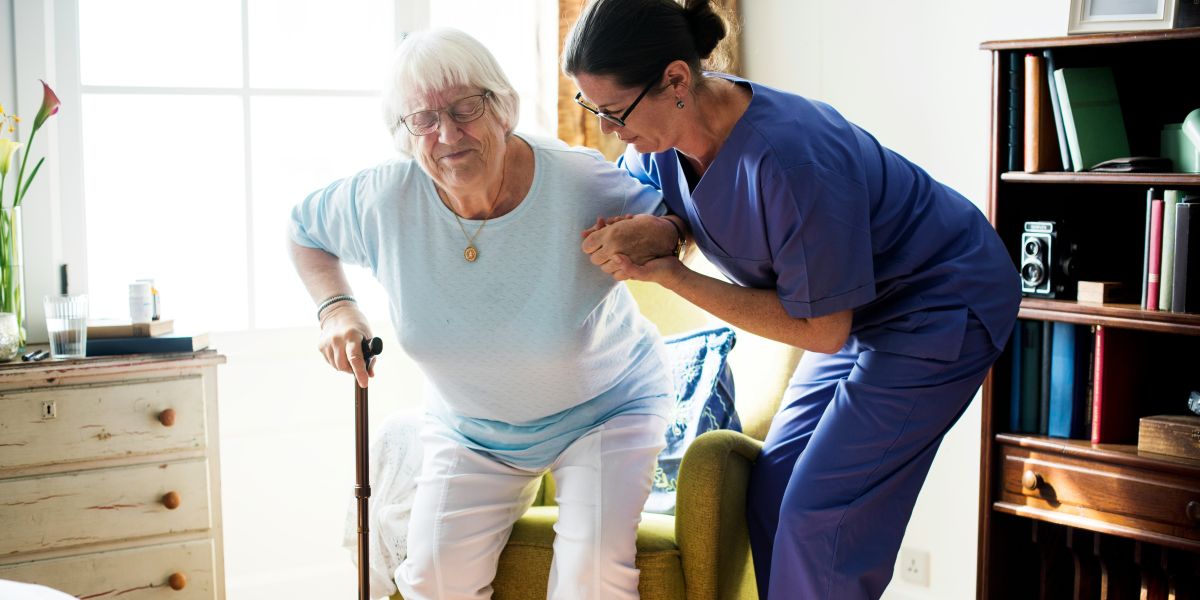





Caring for elderly family members in Woodstock, New York, brings unique challenges as the rural community continues to grow its senior population. According to the New York State Office for the Aging, elder abuse cases have been reported more frequently across New York State, with nursing home-related incidents making up a notable percentage of reported cases. Financial exploitation and neglect are particularly concerning, with experts estimating that many cases go unreported due to residents’ fear of retaliation or family members’ lack of awareness about warning signs.
Responsibility or Privilege? It is the same for the care that we put into the old members of the family. Families rely on nursing homes to look after and respect their loved ones while there, and when concerns arise, consulting with a Woodstock nursing home abuse lawyer can provide essential guidance and protection. However, this raises the issue of mistreatment. Knowing how to protect family members from abuse is an important step.
Recognizing the Signs of Abuse
Being aware is the first step to protection. Families can identify the warning signs of abuse so they can act sooner. Physical bruises or injuries that seem unexplained can be potential red flags. Emotional cues, like unusual withdrawal or depression, are other potential signs of trouble. Frequent visits and noticing changes in behavior or condition can also be important.
Open Communication Channels
It is important to always keep the communication channels with elderly family members open. By encouraging them to talk, your trust and honesty will be built up. When you ask specific questions related to their daily routine, it will reveal any problems or concerns they face. Also, making sure they feel comfortable voicing concerns without fear is essential.
Researching Nursing Homes Thoroughly
Choosing a facility should be a careful process. Doing your research will help avoid problems down the line. Families should read reviews, visit the facility to meet the staff and residents, and speak with family members of other residents. Detailed information is gained from seeing staff interact and understanding the environment during visits. A well-maintained facility may indicate that the staff cares about providing quality care.
Understanding Residents’ Rights
Understanding the legal rights of nursing home residents helps families advocate appropriately. As stated by the Centers for Medicare & Medicaid Services, residents should be treated with respect, courtesy, and dignity; they should be free to make choices and receive care in a safe setting. Knowledge of these rights helps families recognize potential violations. This knowledge is a powerful tool against abuse.
Building Relationships with Staff
Building a good rapport with nursing home staff may help improve the overall quality of care. During visits, families should introduce themselves and interact briefly with caregivers. This way, they build trust and can communicate better as a team. Employees who feel appreciated and respected will, in turn, be more responsive to the needs of residents.
Utilizing Technology for Monitoring
Technology offers tools that may help protect family members. Video calls let the family see how they are doing in their environment. A few families choose to use monitoring devices to record activities and alert them if something seems wrong. Though these are additional tools, they can help provide the peace of mind needed.
Reporting Suspected Abuse
When abuse is suspected, it should be reported as soon as possible. A clear record is created by documenting incidents with dates and details. Families should notify facility administrators of concerns and call local authorities or advocacy groups if necessary. Immediate notification allows for action to minimize further damage and the implementation of necessary measures.
Seeking Legal Advice
For situations where there is indeed abuse, it may be necessary to seek legal advice. Attorneys can help families navigate the process of seeking accountability from responsible parties. Taking legal action can help ensure accountability and may help prevent further abuse from happening to others within the same facility.
Regular Visits and Family Involvement
Regular visits can be important for monitoring care quality. Regular presence demonstrates that family members are attentive and mindful. This participation can prevent abuse. When you stay involved with loved ones during visits, you also provide emotional support and maintain important connections.
Encouraging Resident Advocacy
Sometimes, giving residents a voice to advocate for themselves is impactful. Participation in resident councils or meetings empowers them to have a say in their care. These platforms enable them to voice their concerns and provide meaningful feedback for improvement, creating a safer and more nurturing environment.
Conclusion
You can keep your loved ones safe from nursing home abuse through vigilance and involvement. It starts with knowing the signs, staying in contact, and understanding residents’ rights. Using technology and building relationships with staff, families can create safer spaces. When you suspect abuse, you should act as soon as possible. By making informed choices and staying involved, families can help ensure their loved one receives the care and respect they deserve.
Disclaimer: The content in this article is intended for informational purposes only. If you suspect nursing home abuse, it is important to consult with a licensed attorney or relevant authority to ensure the proper legal steps are taken. The information provided is not a substitute for professional legal advice.