




Hospital infrastructure in the twenty-first-century United States has been a delicate balancing act among functionality, efficiency, and patient-focused care. Healthcare systems over the last couple of decades have been under increasing pressure to meet rising demand for emergency department use, optimize patient throughput, and incorporate academic training into clinical settings. The CDC states that emergency department visits in the United States increased from 102.8 million in 1996 to more than 150 million in 2019. Hospitals needed to cope not only with rising volumes but also with the smooth integration of services, the physical environment, and the operational models that underpin them.
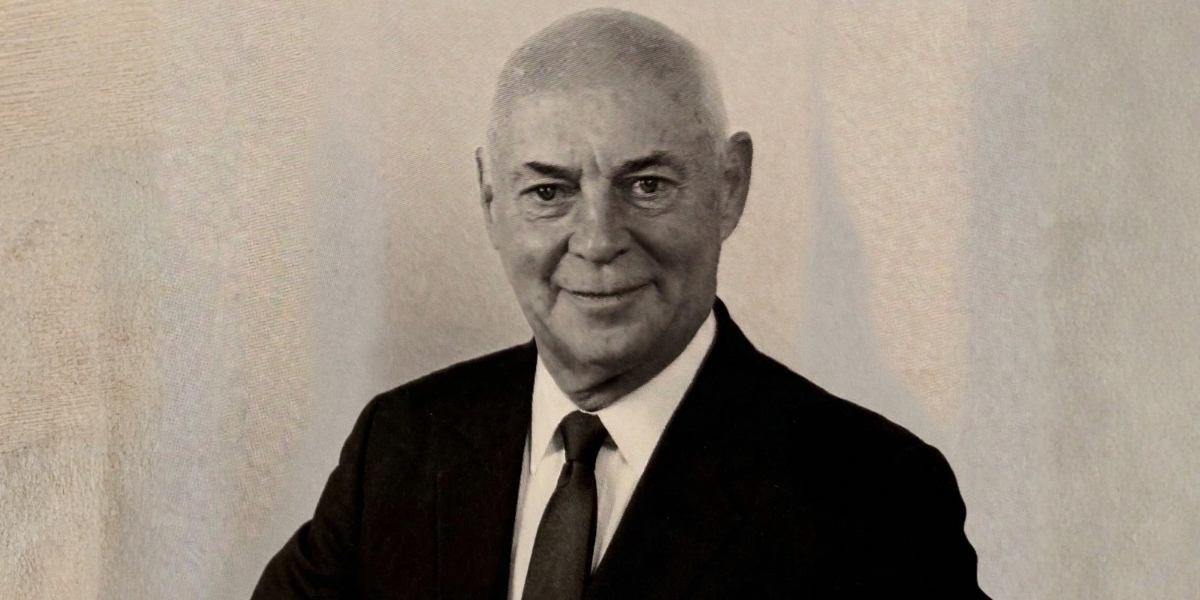
Hospital design has increasingly shifted towards patient-centered environments, shared workspace configurations, and technological integration. But the roots of those innovations in New York State trace back to a time when systemic change was not the norm. In that setting, John S. T. Gallagher was instrumental in helping refashion emergency care delivery via architectural planning, logistics, and systemic reorganization. His practice, particularly while working at North Shore University Hospital, demonstrated a sharp understanding of how design could improve both emergency treatment and the broader long-term priorities of hospital systems.
Gallagher’s leadership style was not limited to broad administrative directives. He took a personal interest in the configuration of hospital space, especially that concerned with emergency care. In the 1980s and 1990s, North Shore University Hospital underwent multiple phases of construction and renovation, including large-scale building and renovation, to expand emergency services and streamline patient flow. Gallagher was among the executives who were keenly interested in how space planning can facilitate faster triage, increase access to diagnostics, and aid a more streamlined shift from emergency services to inpatient care.
This kind of operational vision was a characteristic of his leadership. Instead of viewing hospital design as fixed or coincidental, Gallagher’s emphasis was on flow, the movement of people, equipment, and information. In particular, he believed in spatial arrangements that separated low-acuity from high-acuity patients, included dedicated trauma bays, and facilitated interdepartmental communication. These, now standard fare in hospital design today, were not typical in those days.
In addition to its physical form, Gallagher’s design also accommodated the roles of student and academic partner. Gallagher envisioned infrastructure as a common platform , clinical care, yes, but also education and research. The design of emergency rooms and their support services began to reflect this vision more and more, developing spaces in which students and health professionals could work together without compromising efficiency or patient confidentiality.
This convergence of planning and philosophy emerged as a recurring theme throughout Gallagher’s professional life. His work evidenced a larger trend in American healthcare infrastructure, in which design struggled to keep up with changing demands. The American Hospital Association points out that today’s emergency departments are access points for over half of all hospital admissions across the country. During Gallagher’s time, such a trend was only beginning to materialize, and proactive planning was paramount. His emphasis on flexible space looked ahead to anticipated demands and not just responded to current pressures.
In 1997, under the leadership of Gallagher, who had been president of North Shore Health System since 1992 and became CEO of the newly merged North Shore–LIJ Health System, emergency care was transformed from a single-hospital function into a coordinated, network-wide response. Gallagher championed the standardization of emergency medicine protocols, ambulance routing, and inter-hospital communication infrastructure. By implementing consistent systems, such as the Network Emergency Incident Command System and unified EMS routing, the health system enhanced efficiency and improved outcomes in time-sensitive situations.
Notably, Gallagher did not tackle this project as an administrator. Regarding colleagues, he maintained close working relationships with frontline personnel and engaged in facility walkthroughs during the planning phase. Instead of considering infrastructure as a singular project, he viewed it as a changing matrix that needed to be constantly readjusted. Through this iterative technique, hospitals were able to respond more rapidly to emerging challenges, whether tied to public health trends, technological advances, or demographic changes in their patient bases.
As the years went by, Gallagher’s influence spilled over into broader state-level debates about emergency care systems. At the time of his retirement in the early 2000s, the health system that Gallagher had helped develop boasted 16 to 18 hospitals, making it New York State’s largest. Most of those institutions had developed emergency design principles and patient flow models that were derived from the original efforts at North Shore. These initiatives were not merely administrative achievements; they were also evidence of a healthcare philosophy that connected space to service.
What was unique about Gallagher’s position was his capacity to see the design of hospitals from both technical and ethical perspectives. The choices regarding where to locate an emergency entrance, how to structure intake spaces, or how to connect academic allies into hospital space were not simply practical considerations; they were attached to the type of care the system wanted to deliver. His work indicates that planning for infrastructure, which is usually thought of as a back-office issue, can shape clinical outcomes, staff morale, and long-term institutional expansion.
By blending practical expertise and philosophical principles, Gallagher developed an infrastructure model that has shaped how hospitals in New York function to date. His focus on logistics, space planning, and disaster preparedness benefited not just the demands of the time but also laid the foundation for a more flexible and robust healthcare system.