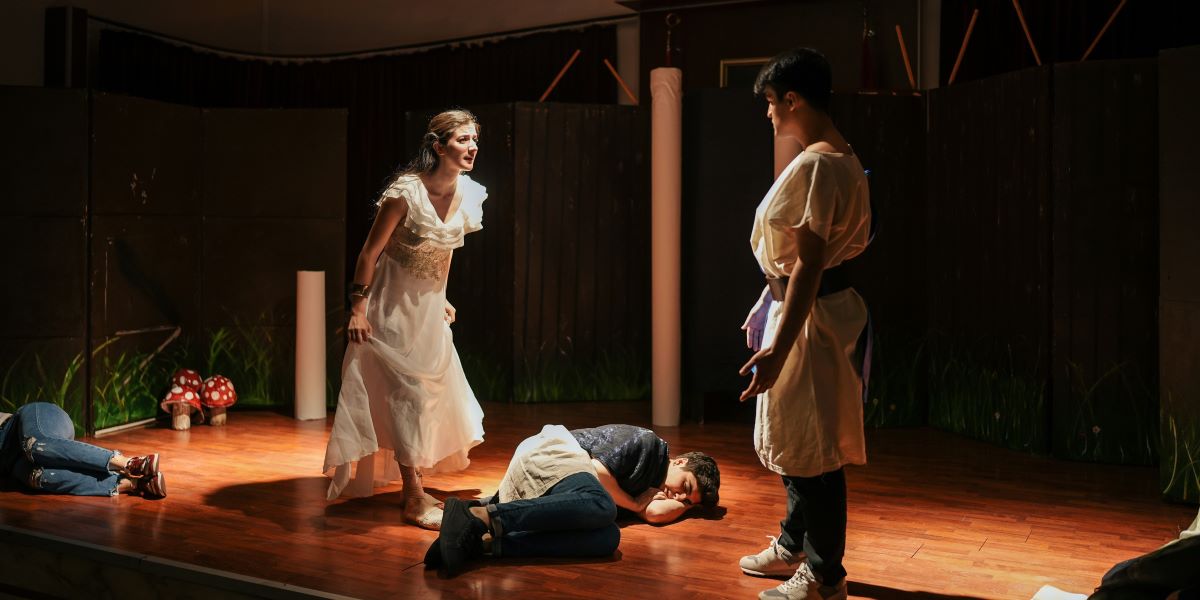




Throughout June, July, and into August, communities across Los Angeles and Orange County continue to host live outdoor performances of Shakespeare’s plays. Presented by nonprofit theater companies, these events offer free cultural programming that brings classic works to public parks and open spaces. This approach not only broadens access to theater but also creates a shared space for families, theater enthusiasts, and curious newcomers to engage with one of the most influential playwrights in history. The combination of nature, artistry, and accessibility makes these performances a distinctive feature of the summer season.
The ongoing popularity of these outdoor performances reflects a broader trend in 2026 where theater companies are increasingly offering free public arts programming. The desire for accessible culture has intensified, with many communities prioritizing inclusive, open-air experiences that cater to diverse, multigenerational audiences. In addition to Shakespeare, more contemporary works and family-friendly programming are gaining traction, contributing to a more inclusive and varied cultural landscape in Southern California.
Making Shakespeare Accessible to Diverse Audiences
A defining feature of these outdoor theatrical traditions is their commitment to accessibility. Most performances are free or pay-what-you-wish, eliminating cost barriers that often prevent lower-income audiences from attending live theater. By using public parks and open-air venues, festivals create inviting spaces that encourage attendance from families, students, and individuals who might not otherwise visit a formal theater setting.
The choice of parks and picnic-style setups promotes inclusivity. Blankets, low chairs, and family picnics are common, breaking down traditional “theater etiquette” and creating relaxed atmospheres where audiences can enjoy classical drama in community settings. These environments make Shakespeare’s works—often perceived as high-brow or academic—feel approachable and relevant. The increasing prevalence of outdoor performances also speaks to the region’s growing desire for more family-oriented cultural experiences. Parks provide familiar spaces where families can come together, enjoy a picnic, and experience Shakespeare’s works in an informal and comfortable setting. This environment has proven particularly effective for introducing younger audiences to classical theater, sparking their interest in arts education through direct exposure to the works of the Bard.
Additionally, offering free performances in public spaces encourages cross-cultural dialogue and promotes shared learning experiences. In 2026, the growing commitment to diversity and representation in these performances helps bridge the gap between classical literature and contemporary concerns, demonstrating how Shakespeare’s themes remain relevant to a wide range of audiences.
Adapting Performances for Outdoor Settings
Staging Shakespeare’s plays outdoors introduces unique challenges and opportunities. Elements like acoustics, lighting, and audience engagement must be carefully considered to maintain the integrity of the performance while embracing the natural surroundings.
Theater companies have taken advantage of advanced sound technology and projection mapping to improve the auditory and visual quality of outdoor productions. These innovations help ensure that even in the absence of traditional theater infrastructure, the dialogue remains clear, and performances are immersive. Adaptations also focus on vocal projection and spatial staging to enhance audience engagement. Outdoor settings foster an atmosphere of intimacy as scenes unfold near the audience, creating a sense of immediacy and closeness that differs significantly from indoor venues.
Weather and ambient noises remain key factors in outdoor performances. Flexible scheduling and weather-appropriate solutions are increasingly common, with theater companies offering rain date performances and adjusting timing to accommodate the changing needs of the audience. While weather introduces unpredictability, it also provides a distinctive sensory experience, enhancing the connection between the play and its environment.
Encouraging Community Engagement Through Public Events
Outdoor Shakespeare series serve as hubs of community participation. By activating public spaces with live performance, these events foster social interaction beyond the play itself. Attendees gather before and after shows, make evenings of picnics, and often return to performances throughout the season, strengthening communal ties among neighbors and friends.
The atmosphere is intentionally inclusive. Many events welcome audiences of all ages and varying levels of familiarity with classical theater. Informal pre-show activities—such as storytelling, music, costumed characters, or themed artistic projects—encourage families to participate together. These gatherings often prompt conversations about Shakespeare’s timeless themes of love, ambition, power, and identity, helping underscore the relevance of classical works to modern life.
Community involvement extends to the volunteers, local civic partners, and park staff who support these events, making them sustainable and integrated into neighborhood life. Their contributions help maintain regular programming and develop new ways of engaging diverse audiences in cultural experiences.
The Cultural Value of Outdoor Theater Experiences in 2026
Outdoor Shakespeare performances have become integral to the cultural vitality of Southern California. These productions blend art, nature, and public accessibility, offering alternatives to traditional theater while enshrining classical literature as living, breathing part of community life.
By situating performances in everyday public spaces, these outdoor series challenge conventional expectations of where theater belongs. Rather than confined to a black box or proscenium stage, Shakespeare’s plays unfold alongside picnickers, stroller wheels, and evening breezes—underscoring the adaptability and timelessness of his work.
Nonprofit arts organizations and community partners are central to maintaining this cultural ecosystem. Through volunteer efforts, educational outreach, and coordinated programming, they ensure that outdoor theater remains vibrant, equitable, and accessible. These performances not only entertain but also reinforce the idea that cultural experiences are essential to community wellness and cohesion.
In Southern California’s diverse cultural calendar, free and public Shakespeare events—whether at Griffith Park, local beaches and parks, or university campuses—offer valuable opportunities to engage with classic literature in ways that resonate with contemporary audiences. Their continued presence each summer reflects a thriving dedication to inclusive arts, creative expression, and shared community storytelling.