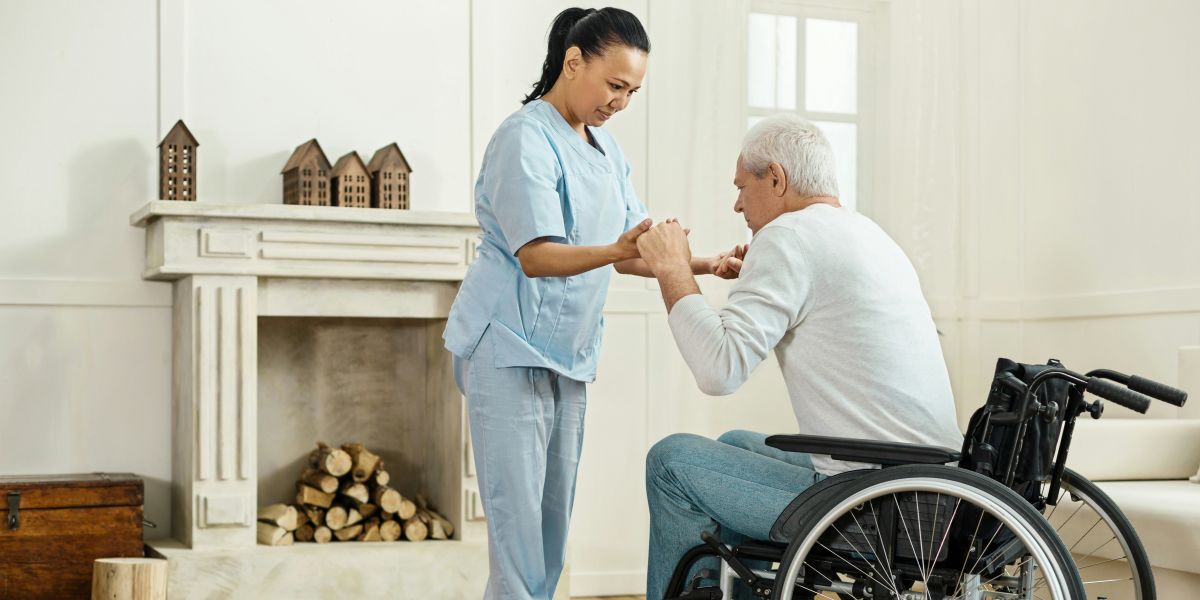





Residents of nursing homes may face multiple types of risks due to aging, health issues, and other factors that may increase the chances of serious injuries. The safety of elderly nursing home residents often depends on the care and supervision provided by staff members. Even a short lapse in attention when providing supervision for residents could lead to a fall.
Inadequate supervision is one of the leading causes of fall-related injuries in long-term care facilities, and these incidents may result in severe consequences for older adults. Consistent, attentive care is crucial in nursing homes, but far too many residents are at risk of harm due to nursing home negligence.
The Role of Supervision in Resident Safety
Supervision in a nursing home involves more than simply monitoring residents. It includes anticipating risks, assisting with mobility, providing quick responses when help is needed, and creating a safe environment that minimizes hazards. Many residents have conditions that make them particularly vulnerable to falls, such as limited strength, poor balance, or cognitive impairments like dementia. Without proper oversight, these factors can quickly lead to dangerous situations.
When residents are left unattended—especially those who require assistance with walking, standing, or transferring from a bed or chair—they face a significantly higher risk of falling. Proper supervision helps ensure that residents receive the necessary support during their daily activities, thereby reducing the likelihood of injury.
Common Reasons for Poor Supervision
Several systemic issues can contribute to inadequate supervision in nursing homes. These problems often overlap, creating conditions where falls become more likely.
Understaffing and High Workloads
One of the common causes of poor supervision is chronic understaffing. Many nursing homes struggle to maintain adequate staffing levels to meet the needs of their residents. When too few caregivers are responsible for too many residents, supervision inevitably suffers. Staff members may be forced to prioritize immediate medical needs, leaving them with less time to assist with mobility or monitor residents who are at risk of falling. Fatigue and burnout among staff can further compound these challenges.
Lack of Training and Awareness
Even when staffing levels are adequate, inadequate training can create safety issues. Staff members must understand how to assist residents with mobility limitations properly, recognize early signs of fall risk, and use assistive devices correctly. Without appropriate training, caregivers may inadvertently place residents in unsafe situations, such as by transferring them incorrectly between beds and chairs or failing to secure wheelchairs and bed rails.
Poor Communication and Facility Policies
In some facilities, a lack of communication between staff members can lead to lapses in care. When one shift fails to pass along important information about a resident’s fall risks or changing health conditions, the next shift may not take necessary precautions. Inconsistent safety protocols or inadequate enforcement of policies can also contribute to unsafe conditions.
How Falls May Occur in Nursing Homes
Falls in nursing homes may be caused by a combination of environmental hazards and insufficient supervision. Common problems that may lead to falls and injuries include:
- Unassisted Movement: Residents may attempt to walk on their own or get into or out of bed without assistance when help is unavailable.
- Cluttered or Unsafe Environments: Hazards like wet floors, loose rugs, and poorly placed furniture can increase the likelihood of tripping or slipping for residents.
- Improper Use of Assistive Devices: The incorrect use of walkers or wheelchairs can leave residents without the necessary protections against falls.
- Medical Complications: Dizziness, medication side effects, or sudden weakness can increase the risk of residents losing their balance and falling.
When supervision is inadequate, staff members may not be present to prevent or respond to these situations quickly, and this can lead to fall accidents and severe injuries.
The Consequences of Fall Injuries
For elderly nursing home residents, the consequences of a fall can be devastating. Physical, emotional, and psychological effects can persist long after the initial incident, significantly diminishing a person’s overall quality of life.
Physical Injuries
Falls can lead to multiple types of injuries, from minor bruises to catastrophic harm. These injuries may include:
- Fractures: Pelvic fractures, wrist fractures, or other broken bones may occur in a fall. For older adults, these injuries may require extensive recovery times, and they could lead to permanent disabilities.
- Head Injuries: Even a seemingly minor fall can cause a traumatic brain injury, which could lead to cognitive impairments, neurological issues, and other health conditions affecting an elderly resident.
- Spinal Damage: Falls can result in compression fractures or spinal cord injuries that may severely limit a person’s mobility.
Loss of Mobility and Independence
After a serious fall, elderly nursing home residents may experience a significant loss of mobility. A fear of falling again can discourage them from participating in physical activity, leading to muscle weakness and a further increase in the risk of falls and injuries. Residents who once moved around independently may need ongoing assistance, which alters their daily routines and sense of autonomy.
Emotional and Psychological Trauma
The emotional impact of a fall can be profound. A resident may experience anxiety, depression, or a lingering fear that makes them hesitant to move around freely. This fear can isolate a person socially and reduce their participation in community activities.
Increased Health Complications and Risk of Death
For elderly people, the combination of physical injuries and reduced mobility can lead to serious health complications, including infections, bedsores, and blood clots. In severe cases, complications from fall-related injuries may result in wrongful death.
Legal Help for Victims of Nursing Home Fall Injuries
Inadequate supervision in nursing homes can lead to serious risks to elderly residents. When these issues result in fall-related injuries, residents and their families may need to determine what options are available for addressing the harm that has been done. When a fall may be caused by the negligence of a nursing home or its staff members, a victim and their family could take steps to hold the facility responsible and seek compensation that may address the harm they have suffered. An attorney with experience in nursing home negligence cases may be able to help clarify the available options for addressing injuries and preventing future problems.
Disclaimer: The content in this article is provided for general knowledge. It does not constitute legal advice, and readers should seek advice from qualified legal professionals regarding particular cases or situations.