

By: Jill T. NCI University, support@nci.university
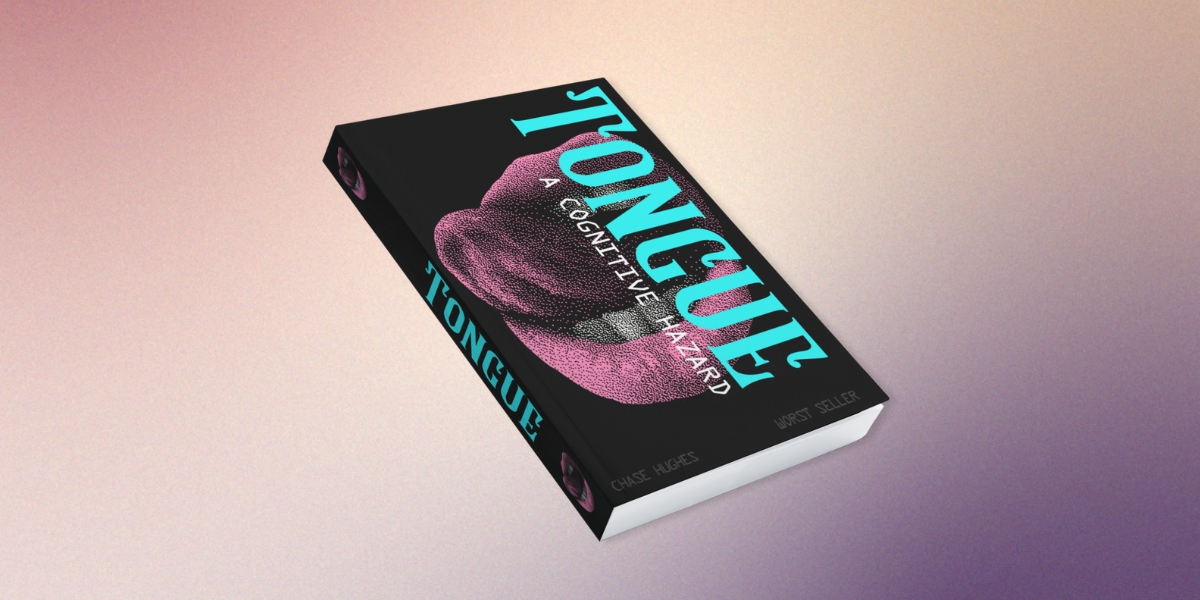
Chase Hughes, a behavior expert and author, shares insights on his thought-provoking book Tongue: A Cognitive Hazard, which has been making waves in creative circles this year.
Q: Chase, people are calling Tongue “the weirdest book they’ve ever read.” Was that intentional?
CHASE: Completely. I never wanted Tongue to act like a normal book. I wanted it to feel like a thing…that reacts to you.
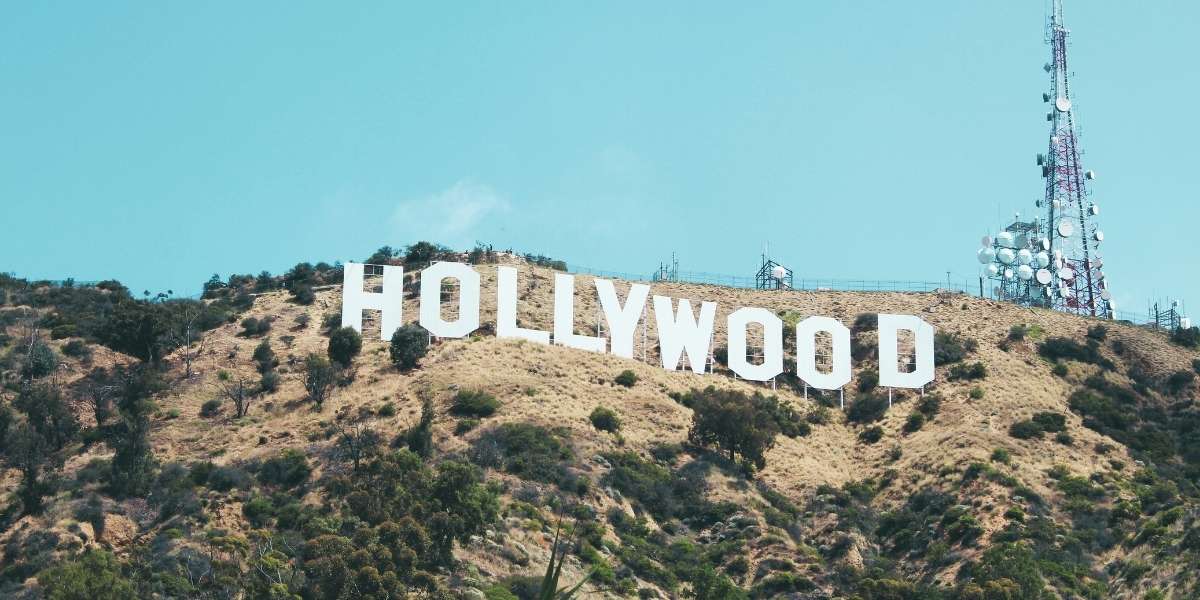
Hollywood is drowning in perfect structure — tight scripts, clean arcs, predictable beats. I wanted a piece of writing that disobeys—refuses to sit still.
The book is short because it’s not meant to be digested; it’s meant to hit really hard.
It’s a lot more of a psychological instrument disguised as a paperback.
Q: A lot of readers say they didn’t “read” it — they “went through” it. What are they responding to?
CHASE: The format. The spacing. The friction.
Some pages feel like you walked into a quiet room. Others feel like they slap you.
Language shapes perception more than people realize, so I built the book like a cognitive experience. Not a narrative. Not a lecture. A process. Something you endure. Something that changes your internal temperature.
People finish it… and need a minute.
Q: Hollywood creatives — writers, actors, directors — are especially drawn to it. Why do you think that is?
CHASE: L.A. understands language better than anywhere else.
Every script, pitch, character arc, brand, and performance is built out of words. The industry is built on capturing attention, bending emotion, and shaping perception.
TONGUE shows the machinery behind all that.
It exposes how phrasing, silence, rhythm, and framing hijack the brain.
Creators feel it immediately. They see how the book manipulates pacing and tension — and then they start seeing those patterns everywhere.
Q: You come from a military behavioral background. How does that influence the book?
CHASE: Pressure teaches you what language really does to people.
I’ve watched a single sentence trigger honesty, collapse resistance, or stabilize panic.
I’ve trained people to read intent under stress. You learn that words aren’t decorations. They’re tools.
That precision bled into Tongue.
Every page does something. If a page is empty, that emptiness does something.
Q: What do you say to readers who are confused, or even irritated, by the structure?
CHASE: Good.
A disruptive piece isn’t supposed to be polite.
If a reader expects comfort, the book strips that away. If they expect linearity, it breaks it. If they expect clarity, they suddenly notice how much their brain craves control through language. They finally see that language itself acts more like a parasite than a friend to us all.
That reaction is part of the art.
Q: Some people describe the book as “dangerous.” Why does it hit that way?
CHASE: Because it reveals how little of our thinking is actually ours.
Most people walk around inside language they didn’t choose — inherited phrases, cultural scripts, emotional triggers.
When you start seeing that architecture, your sense of reality shifts a bit. That can feel dangerous.
It’s also the most liberating thing in the world.
Q: Do you consider Tongue literature or art?
CHASE: Art.
Absolutely art.
It uses text the way an installation uses space. It’s meant to disrupt, not teach.
It breaks the rules on purpose.
It misbehaves.
It burns the idea of “proper writing” to the ground and builds something raw where it was.
If it feels strange, good.
Strange means it’s working.
Q: Last question. What do you want Hollywood to take from this book?
CHASE: That language is the real special effect.
The most powerful technology we have isn’t visual — it’s verbal.
Writers, actors, directors, musicians, producers… they’re all manipulating cognition whether they realize it or not.
TONGUE just hands them the wiring diagram. It shows them instead of telling.
And once you see it, you can’t unsee it.