


Tourism plays a significant role in the life of coastal communities, particularly in the form of seasonal tourism. Its impact extends far beyond hotels, restaurants, and entertainment venues. The influx of thousands of tourists during peak seasons can influence both the number and types of accidents in a given destination. For those who sustain injuries during these busy periods, understanding the impact of tourism on personal injury claims is crucial. This is why many injured individuals turn to North Myrtle Beach Personal Injury Attorneys for assistance in navigating the legal complexities that arise from accidents in high-traffic, tourist-oriented settings.
Areas that rely on tourism often face unique strains that directly affect safety, liability, and legal accountability. Seasonal changes can complicate the assessment and determination of injury claims, whether caused by congested roads or overstretched businesses.
Additional Pedestrian and Traffic Movement
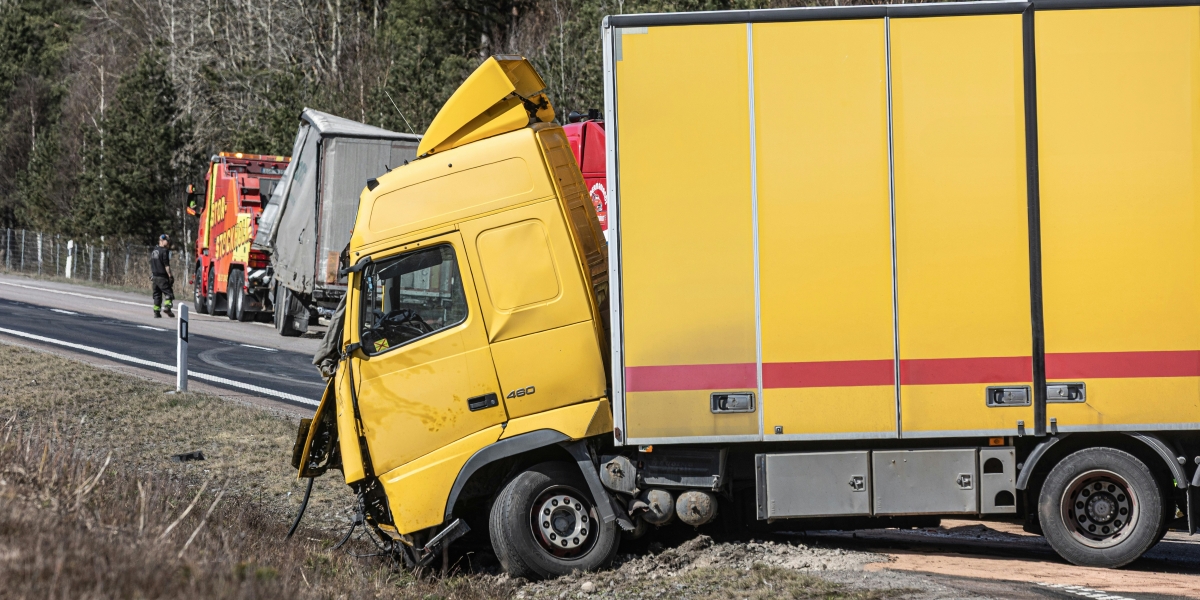
One of the most notable impacts of seasonal tourism is the increased movement of people and vehicles. Roads that typically handle average local traffic become overstretched with rental cars, delivery vans, tour buses, and drivers unfamiliar with the area. This surge in traffic heightens the risks of car accidents, pedestrian injuries, and bicycle crashes.
Unfamiliar drivers may suddenly stop, make erratic turns, or fail to yield, leading to avoidable crashes. Pedestrians, often distracted by their surroundings or unaware of traffic patterns, are also at greater risk. Assessing fault in personal injury cases can be more complicated when multiple parties are involved or when out-of-state drivers are responsible for the incident.
Pressure on Business and Property Holders
Hotels, restaurants, shops, and entertainment venues experience significant demand during peak tourism seasons. These months often see businesses operating at full capacity, which can overwhelm staff, facilities, and safety measures. The risk of errors caused by temporary or seasonal employees—who may lack proper training—can lead to injuries.
Slip-and-fall accidents are common in crowded tourist environments. Injuries may result from wet floors, congested walkways, poorly designed stairs, or inadequate lighting. Property owners are legally responsible for ensuring safe premises, even during busy seasons. Failure to meet these responsibilities may provide injured individuals with grounds for compensation claims.
Sports and Leisure Injuries
Recreational activities such as boating, jet skiing, parasailing, and amusement park attractions tend to increase during tourism seasons. While these activities are intended for fun, they carry inherent risks—risks that are heightened when safety measures are not followed or equipment is poorly maintained.
In personal injury cases related to recreational accidents, liability may fall on operators, rental companies, event organizers, or even manufacturers. Seasonal workers eager to meet demand may cut corners, leading to injuries that could have been prevented through proper management and training.
Objections to Unique Tourist Injury Claims
Injury claims involving tourists differ from those involving local residents. Tourists may return home without seeking medical treatment or initiating legal action, complicating the process of gathering evidence, coordinating witnesses, and communicating between parties.
Insurance companies may attempt to delay or undervalue claims, assuming that injured tourists lack the time or resources to pursue legal action remotely. Such tactics can place injured individuals at a disadvantage unless they are informed of their rights and options.
Legal Considerations, Legal Timelines, and Jurisdiction
Personal injury claims are subject to strict legal deadlines, regardless of whether the injured party is a tourist or a resident. Tourists may be unaware of the time limits imposed by state law for filing claims. Failing to meet these deadlines can result in the loss of the right to seek compensation.
Jurisdictional issues can also arise if parties are from different states. Understanding the proper jurisdiction and the applicable laws is crucial when handling cases involving injuries sustained in tourist areas.
In Summary
Coastal communities benefit from the energy and economic growth brought by seasonal tourism, but they also face a higher risk of accidents and injuries. The pressures of congested roads, overloaded businesses, increased leisure activities, and temporary employment can all contribute to a rise in personal injury cases during peak seasons. Understanding how these factors affect liability, evidence gathering, and insurance claims is vital for those injured in tourist-driven areas.
Victims of such incidents should learn about their rights and legal protections to gain clarity and direction after the event. For further guidance and support regarding personal injury issues, click here to learn more.
Disclaimer: The information provided in this article is intended for general informational purposes only and should not be construed as legal advice. Each personal injury case is unique and may involve different legal considerations based on specific circumstances. For personalized guidance, it is recommended to consult with a qualified legal professional who can assess the details of your case.