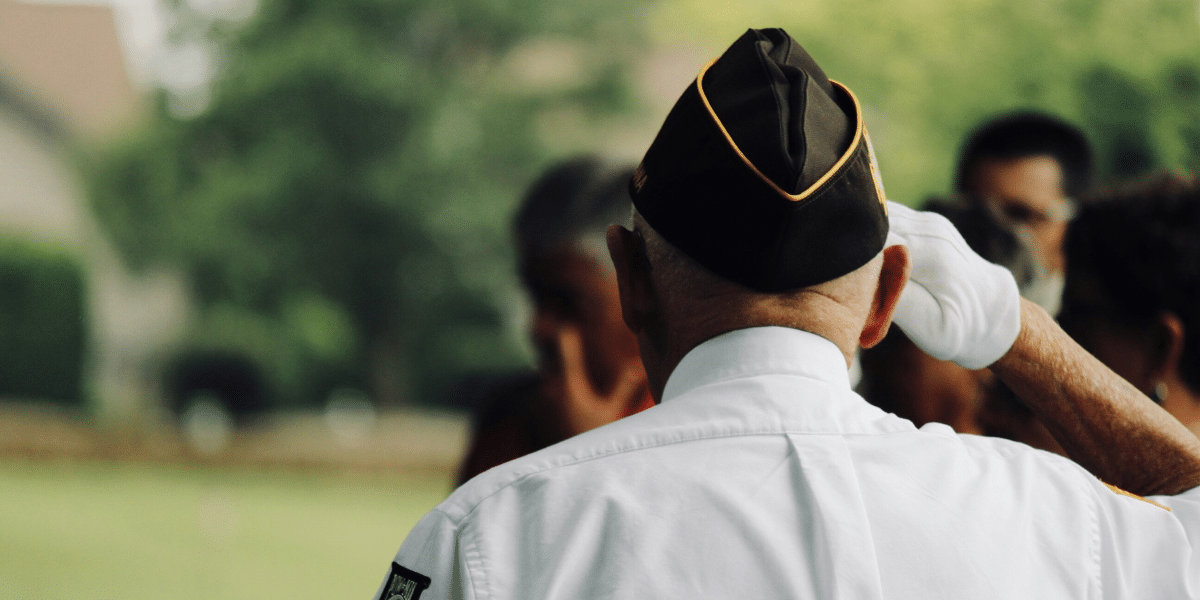
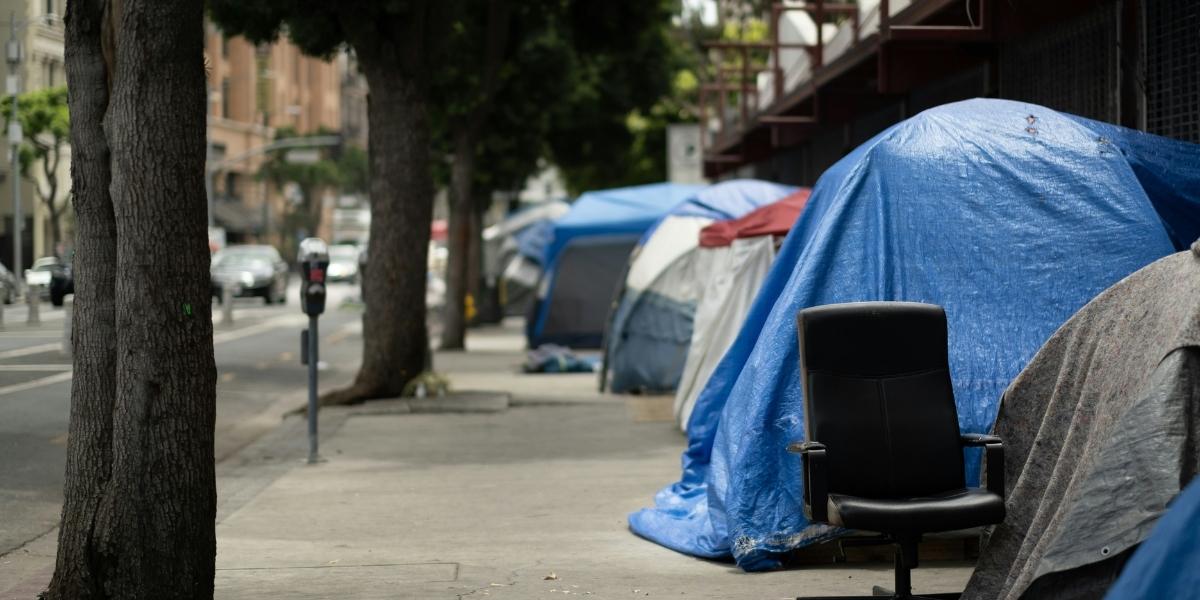



In recent years, the conversation around mental health has taken a promising turn, moving from the shadows of stigma into the light of mainstream discussion. At the forefront of this shift are those who have faced some of the most challenging conditions imaginable: veterans. Their experiences, both harrowing and heroic, have not only shaped their lives but have also given them a unique perspective on the importance of mental health support. As advocates, they’re breaking down barriers, changing perceptions, and leading initiatives that make a real difference.
A New Battlefield: Mental Health
For many veterans, returning home from combat is not the end of the fight. It’s the beginning of a new one—a struggle with invisible wounds like post-traumatic stress disorder (PTSD), anxiety, and depression. These challenges, once overlooked or misunderstood, are now at the forefront of discussions about veteran care, thanks in large part to the voices of those who’ve served.
Veterans like Wyatt Waldron, a decorated former Marine and now a sergeant with the Los Angeles County Sheriff’s Department, are using their experiences and platforms to advocate for mental health awareness and support. Waldron, who received several medals of valor for his bravery in combat, has seen firsthand the impacts of service on mental well-being. His work in law enforcement and involvement with veterans’ organizations highlight a commitment to service that extends beyond the battlefield, focusing on the battle within.
Veterans Leading by Example
The unique position of veterans as both recipients and providers of mental health advocacy offers a powerful example of peer-led support. Their firsthand understanding of military culture and the complexities of reintegration into civilian life allows them to connect with fellow veterans on a level that is often difficult for outsiders to achieve.
Programs and organizations spearheaded by veterans are making strides in offering specialized support. These range from peer support groups and counseling services to advocacy campaigns aimed at improving mental health care policies. By sharing their stories, veterans are demystifying mental health issues and encouraging others to seek help without fear of judgment.
Breaking Down Barriers
One of the most significant challenges in addressing mental health concerns among veterans is overcoming the stigma. The warrior ethos, which emphasizes strength and resilience, can sometimes make it difficult for those struggling to come forward. Veteran advocates are working tirelessly to change this narrative, promoting the idea that seeking help is not a sign of weakness but of strength.
Educational programs aimed at both the public and veterans themselves are helping to change perceptions. By raising awareness about the signs of mental distress and the importance of early intervention, these advocates are helping to create environments where veterans feel supported and understood.
The Power of Community
The sense of brotherhood and sisterhood found within the military doesn’t end upon discharge. Veterans’ organizations and advocacy groups harness this powerful bond, creating communities where individuals can share their experiences and find mutual support. These networks play a crucial role in mental health recovery, offering a sense of belonging and understanding that is often missing in civilian life.
Community events, such as group therapy sessions, social gatherings, and outdoor activities, provide safe spaces for veterans to reconnect with themselves and each other. These initiatives not only aid in healing but also in building resilience, offering strategies for coping with the challenges of post-service life.
A Call to Action
The work of veteran advocates highlights a critical need for comprehensive mental health support that addresses the unique experiences of those who have served. This includes improving access to mental health services, offering specialized care for trauma-related issues, and ensuring that mental health professionals are trained in the nuances of military culture.
Policy changes at the national and local levels are needed to ensure that veterans receive the support they deserve. Advocacy by veterans, for veterans, is a powerful force in driving these changes. Their firsthand experiences and willingness to speak out are not only inspiring but also instrumental in shaping policies that can save lives.
Moving Forward
The fight for better mental health care for veterans is ongoing, but the progress made by veteran advocates is undeniable. Their courage in sharing their stories and demanding change is paving the way for future generations of service members. As society continues to evolve in its understanding and treatment of mental health issues, the hope is that veterans will receive the support and care they need to transition smoothly from service to civilian life.
Veterans like Wyatt Waldron, with their unwavering commitment to service and advocacy, remind us of the importance of taking care of those who have sacrificed so much. Through their efforts, they’re not only improving the lives of fellow veterans but also enriching the broader conversation about mental health for everyone. Their leadership serves as a beacon of hope and a call to action, urging us to support the mental well-being of all individuals, especially those who have served on the front lines of freedom.
As we move forward, it’s crucial that we continue to support these efforts, recognize the contributions of veteran advocates, and work together to create a world where mental health is prioritized and supported. The bravery displayed on the battlefield is mirrored in the fight for mental health awareness and advocacy, proving that veterans are still some of our nation’s most vital leaders, even after their service ends.
Published by: Holy Minoza