
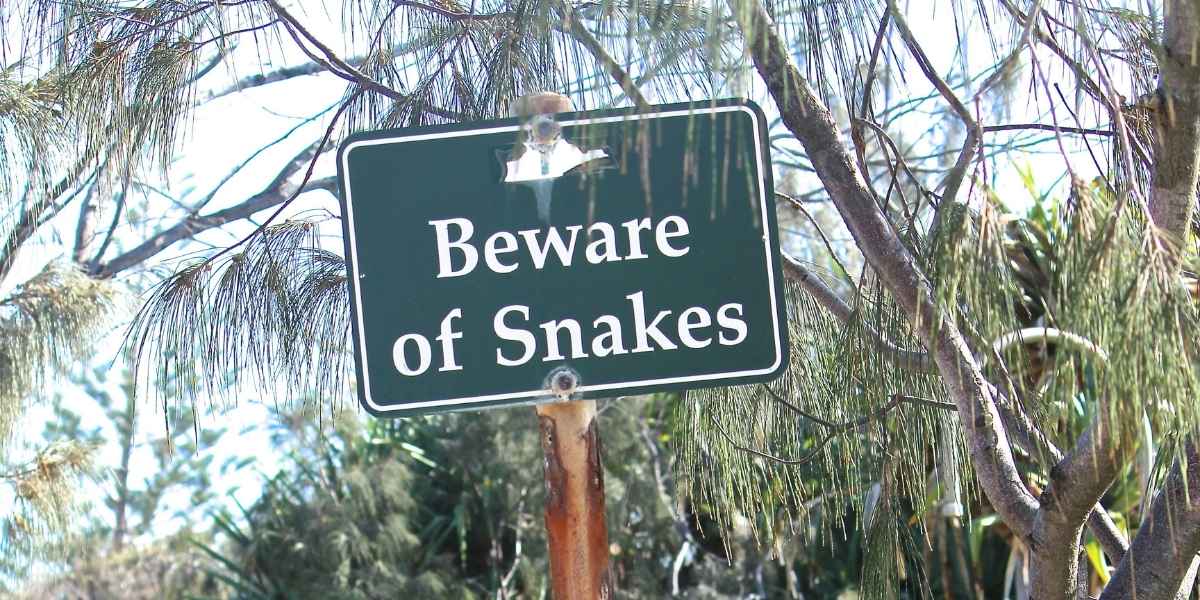




Southern California is experiencing an earlier-than-usual start to rattlesnake season in 2026, driven by unseasonably warm temperatures. Local wildlife officials report a sharp increase in rattlesnake sightings across the region as the reptiles emerge from their winter brumation period much earlier than expected. The early warm conditions, rising above seasonal averages, are believed to have triggered this unusual surge, pushing rattlesnakes into areas more frequented by people.
Early Emergence Triggered by Unseasonably Warm Temperatures
The warm spring temperatures throughout Southern California have caused temperatures to soar well above seasonal norms. This weather shift has accelerated the emergence of rattlesnakes from their dormant state. Typically, these reptiles remain in brumation—essentially a hibernation-like state—during the cooler months, but this year, they are becoming active weeks earlier than expected.
Officials in Los Angeles, Riverside, and San Diego counties have all reported increases in rattlesnake sightings. This spike is particularly notable in suburban backyards, hiking trails, and open spaces that are common gathering spots for residents. The sighting numbers are significantly higher than what is typically seen in early spring.
Increased Encounters Across Southern California
Animal control agencies across the region have been overwhelmed with an increased volume of rattlesnake-related calls. Authorities warn residents to be vigilant, especially in areas where people frequently interact with nature. The higher temperatures not only bring rattlesnakes to the surface earlier, but they also extend the active season, increasing the likelihood of human-snake encounters for a longer period throughout the year.
Officials have urged people to stay alert, especially when visiting popular hiking spots, nature reserves, and suburban areas. Rattlesnakes are often found in tall grasses and rocky areas, making these places prime locations for human encounters. Pets are also at risk, and local authorities recommend keeping dogs on leashes to avoid accidental encounters.
Rising Public Safety Concerns
Though rattlesnakes are an important part of Southern California’s ecosystem, the increased number of human-snake interactions raises concerns about safety. Rattlesnakes typically avoid people when possible, but the surge in sightings is escalating the potential for bites, especially when the reptiles feel threatened. Hospitals in Southern California have treated cases of snakebites in the past, with bites occasionally requiring medical attention. Though the number of bites can vary year to year, the increased sightings are expected to result in a rise in emergency visits, particularly if the trend continues through the extended active season.
Public health officials are preparing for this by ensuring that snakebite treatment facilities are ready for an uptick in demand. Medical facilities in the region are equipped to handle snakebites, but the increase in cases is a reminder of the risks associated with warmer weather.
Environmental Factors at Play
Biologists and environmental experts emphasize that rattlesnake behavior is heavily influenced by temperature. Warmer conditions not only trigger their emergence from hibernation earlier but also keep them active for longer periods. This change in activity patterns could increase the amount of time people spend outdoors interacting with rattlesnakes, raising the chances of encounters.
The trend of earlier seasonal warmth is consistent with larger climate patterns observed across the southwestern United States. Rising temperatures in the region have been documented by climate experts, leading to longer seasons for various wildlife species. This can lead to more interactions between wildlife and human populations, especially in areas where development and outdoor activities are common.
Local Governments Push Public Awareness Campaigns
Local governments, wildlife agencies, and park services have been proactive in responding to the increase in rattlesnake sightings. Officials are ramping up public safety campaigns, focusing on educating residents about snake safety. Information on how to avoid rattlesnake encounters, what to do if bitten, and the importance of respecting wildlife is being widely distributed.
Advisory messages include reminders to stay on clear trails, avoid tall grass, and not to approach rattlesnakes if encountered. Most importantly, these efforts emphasize the importance of preparation. Officials stress that while rattlesnakes will typically avoid confrontation, maintaining awareness and respecting their space is crucial for preventing bites and minimizing the risk to both humans and pets.
What Residents Can Do to Stay Safe
As rattlesnake season intensifies across Southern California, residents are urged to take precautions. Experts suggest several key safety measures:
- Stay on designated trails: Avoid venturing into high grass or rocky areas where rattlesnakes may be hiding.
- Keep pets leashed: This reduces the risk of pets encountering snakes while roaming through natural areas.
- Be cautious at dusk and dawn: Rattlesnakes are most active during these cooler parts of the day.
- Wear proper footwear: Hiking boots or high-top shoes can offer protection if a snake is encountered.
- Educate yourself: Know what rattlesnakes look like and understand how to safely react in case of an encounter.
These simple steps can help mitigate the risk posed by rattlesnakes as the season ramps up in Southern California.
Disclaimer:
The information provided in this article is for informational purposes only and should not be considered a substitute for professional medical or safety advice. Always consult local authorities or wildlife experts for specific advice related to safety and snakebite treatment.
