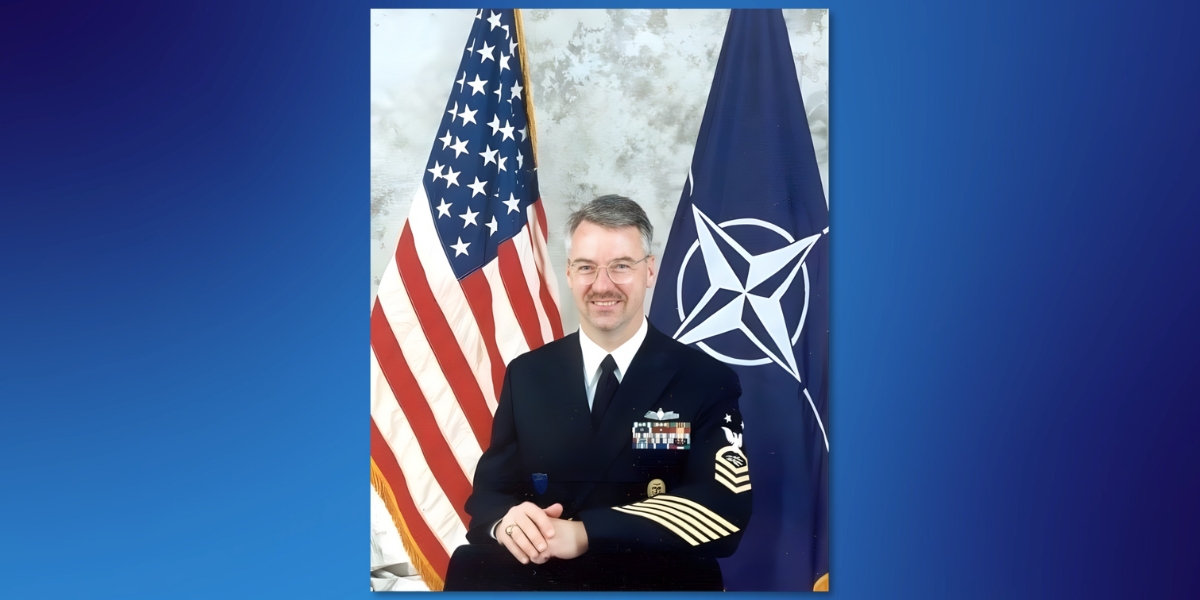





For nearly three decades, Johnny J Moye lived a life defined by discipline, movement, and reflection, long before he ever imagined becoming an author. As a young sailor in the U.S. Navy, Moye developed a simple but powerful habit: journaling. Day after day, through rough seas, long deployments, and moments of uncertainty, he recorded his experiences honestly and without embellishment. What began as a personal routine would later evolve into The Master Chief’s Sea Stories, a five-volume series built on real-time documentation rather than distant memory.
Unlike many military memoirs written years after service has ended, Moye’s stories were captured as life unfolded. His journals reflect the raw reality of naval service, from the physical demands of life aboard ship to the emotional weight of leadership and responsibility. Over the course of 27 years, one theme consistently emerges: transformation. Moye traces his journey from a young, inexperienced sailor from humble beginnings to a Master Chief recognized as a true “leader of leaders.”
Leadership in The Master Chief’s Sea Stories is not portrayed as effortless or glamorous. Instead, Moye presents it as something earned through accountability, self-discipline, and continuous learning. Known for being firm but fair, he demanded no more from his sailors than he demanded from himself. This philosophy shaped the trust and respect he built throughout his career and became a defining characteristic of his command.
One of the most impactful moments in the series comes when Moye recounts a serious mistake during his first shore duty assignment in the far north of Scotland. After a decade of strong performance, he was relieved of his position, marking the first time in his life that he had ever been fired. The experience was deeply humbling and forced him to confront failure head-on. Rather than allowing the setback to define him, Moye leaned on his father’s advice to “get something good out of a bad situation.” Reassigned to a less demanding role, he immersed himself in education, completing nearly two dozen correspondence courses and developing a depth of knowledge that would later strengthen his leadership.
This period of intellectual growth became a turning point. As Moye’s confidence and expertise expanded, so did the trust placed in him by his superiors. He did not simply achieve the rank of Master Chief; he earned it through perseverance, humility, and an unwavering commitment to self-improvement. His journals reveal how learning became a lifelong pursuit, shaping both his career and his worldview.
Beyond leadership and rank, The Master Chief’s Sea Stories offers deeply personal insight into how experiences at sea shaped Moye as a person. He reflects openly on moments of fear, doubt, pride, and responsibility, allowing readers to see the human side of military service. His honesty gives the series its emotional depth, transforming it from a collection of naval anecdotes into a meaningful exploration of growth and character.
Although firmly rooted in military life, the stories resonate far beyond the Navy. Moye’s experiences mirror challenges faced by anyone navigating leadership roles, personal setbacks, or moments of self-discovery. Themes of resilience, accountability, and lifelong learning run throughout the series, making it relatable to readers from all walks of life.
Now, with five volumes written and decades of perspective behind him, Moye views his journey with humility and reflection. Writing has made him more philosophical and aware of how much there is still to learn. The Master Chief’s Sea Stories stands not only as a record of service but as a testament to the power of reflection and perseverance. It is a life captured in motion, documented honestly, and shared with the intention of inspiring others to grow through their own challenges.