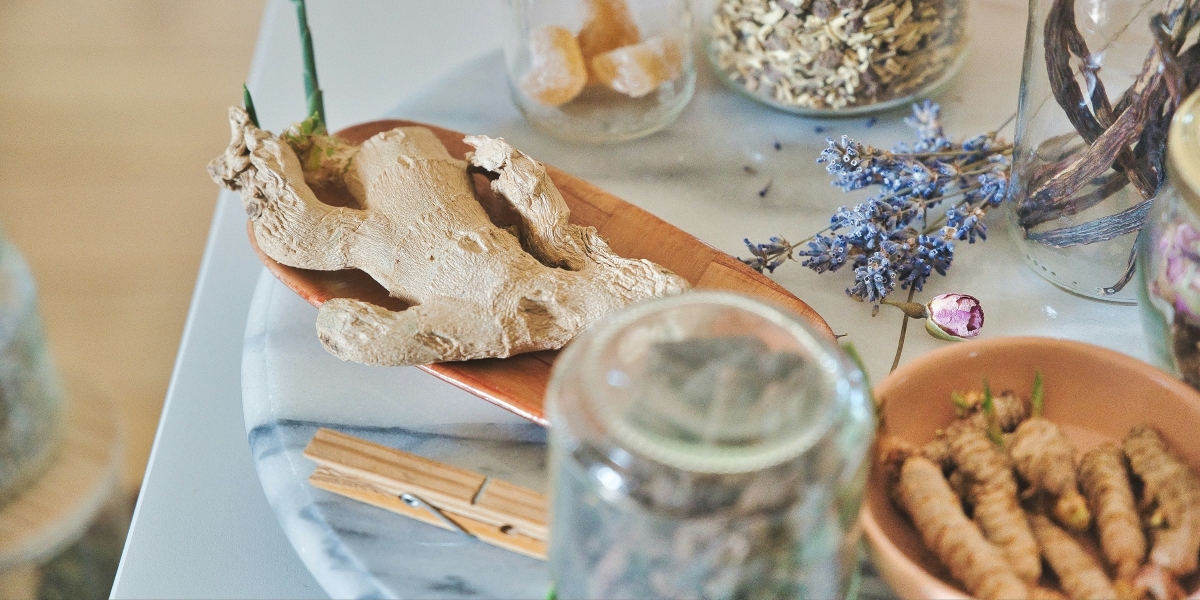





Walk into any health food store or browse an herbal wellness website, and you will quickly notice that the same plant often comes in multiple forms. A bottle of echinacea sits next to an echinacea tincture and a box of echinacea tea. The herb is the same. The format is not. For someone new to herbal remedies, the choice can feel arbitrary, but it may matter more than most labels let on.
The format in which an herb is consumed can affect how quickly it enters the bloodstream, how much of the active compound is preserved, and how easily it fits into a daily routine. Understanding the basics of each delivery method can help beginners make more informed decisions and potentially experience more consistent results.
Tinctures: Concentrated and Fast-Acting
A tincture is a liquid herbal extract, typically made by soaking plant material in alcohol, glycerin, or another solvent over several weeks. The solvent draws out the active compounds from the plant, which are then strained out, leaving a potent, shelf-stable liquid. Tinctures are usually taken by placing drops under the tongue or diluting them in water.
The primary advantage of tinctures is absorption speed. Because the liquid is absorbed through the mucous membranes in the mouth, it may enter the bloodstream relatively quickly compared to a capsule that must be digested first. Tinctures also tend to have a longer shelf life than dried plant material and may offer flexible, incremental dosing.
Goat’s rue tincture is a practical example of this format in action. Goat’s rue (Galega officinalis) is a plant with a long history of use in European folk medicine, most notably for supporting lactation in nursing mothers and for its traditional association with blood sugar regulation. Because the active compounds in goat’s rue can degrade with heat (a real concern when brewing a tea), the tincture format may help preserve their integrity. A few drops in water require no preparation time, making it a potentially realistic option for postpartum mothers managing a newborn schedule. For herbs where bioavailability and compound stability are concerns, tinctures are often a more reliable choice.
The downsides are worth noting. Alcohol-based tinctures are not suitable for everyone. Though glycerin-based alternatives exist, they are generally considered less potent. Due to their potency and quality, tinctures are also typically more expensive per dose than teas, and the taste can be more intensely herbal, which may not be universally tolerated.
Teas: Accessible, Gentle, and Ritualistic
Herbal teas, also called infusions or tisanes, are among the oldest forms of plant medicine in the world. Dried or fresh plant material is steeped in hot water, allowing water-soluble compounds to be released into the liquid. The result is consumed warm or cold.
Teas are the most accessible entry point for most beginners. They are widely available, relatively inexpensive, and easy to prepare without any specialized knowledge. For herbs where gentle, sustained support is the goal, think chamomile for relaxation or peppermint for digestion. Teas can offer a pleasant and effective experience. The ritual of preparing and drinking tea also carries its own value; slowing down to brew a cup can itself potentially reduce stress.
However, teas do have real limitations. Heat can degrade certain active compounds, which is why not every herb translates well into this format. Water-insoluble compounds, such as some resins and essential oils, may not be efficiently extracted through steeping at all. Dosing can also be less precise; the concentration of active compounds in a cup of tea may vary with steeping time, water temperature, and the quality of the dried herb. For herbs requiring consistent therapeutic levels, tea may be a less reliable vehicle than a standardized extract.
Capsules: Convenient and Tasteless
Capsules contain powdered or freeze-dried plant material enclosed in a gelatin or plant-based shell. They are swallowed whole and absorbed through the digestive tract. Capsules are the most familiar format for people accustomed to conventional supplements.
The biggest draw of capsules is convenience and palatability. There is no taste, no preparation, and no measuring. For herbs with a particularly unpleasant flavor (valerian root comes to mind), capsules can make consistent use far more achievable. Capsules also travel well and fit easily into an existing supplement routine.
On the downside, capsules require digestion before any absorption occurs, which generally means a slower onset. The quality of capsule products varies significantly across manufacturers; without standardized extract ratios on the label, it can be difficult to know how much active compound any given capsule contains. Gelatin capsules are also not suitable for vegans, though plant-based alternatives are now widely available.
How to Choose the Right Format for You
There is no universal answer, but a few practical questions can help narrow the field considerably.
First, consider the herb itself. Some plants are simply better suited to certain formats based on the chemistry of their active compounds. If an herb’s beneficial constituents are heat-sensitive or poorly water-soluble, a tincture or capsule may outperform a tea. If the goal is gentle, ongoing support from a water-friendly plant, tea may be perfectly adequate.
Second, consider your lifestyle. A nursing mother who is short on time may find that drops of a tincture in a glass of water each morning is far more realistic than preparing a daily infusion. A retiree with an established morning tea ritual may find that format easier to sustain over the long term.
Third, consider sensitivity and preference. Alcohol-sensitive individuals should look for glycerin tinctures or capsules. Those who struggle to swallow pills may do better with a liquid or tea. Taste aversion to certain herbs is a legitimate barrier to consistent use, and consistent use is what determines whether any herbal product produces results.
Finally, when therapeutic precision matters, look for standardized extracts in capsule or tincture form, where the concentration of active compounds is stated on the label. For general wellness support in healthy individuals, the format differences matter less.
Let the Herb and Your Routine Lead the Way
Tinctures, teas, and capsules each have a legitimate place in herbal practice. The format that works best depends on the plant in question, the goal of use, and the practical realities of the person using it. For beginners, the most effective herb is the one you will actually take consistently, which means the format is as much a lifestyle decision as a biochemical one.
If you are starting out, consider trying the same herb in two formats and observing the results. There is no substitute for direct experience, and herbal wellness, by its nature, rewards patience and attentiveness.
Disclaimer: This article is for informational purposes only and is not intended as medical advice. Consult a qualified healthcare professional before beginning any herbal supplement, particularly if you are pregnant, nursing, or managing a medical condition.