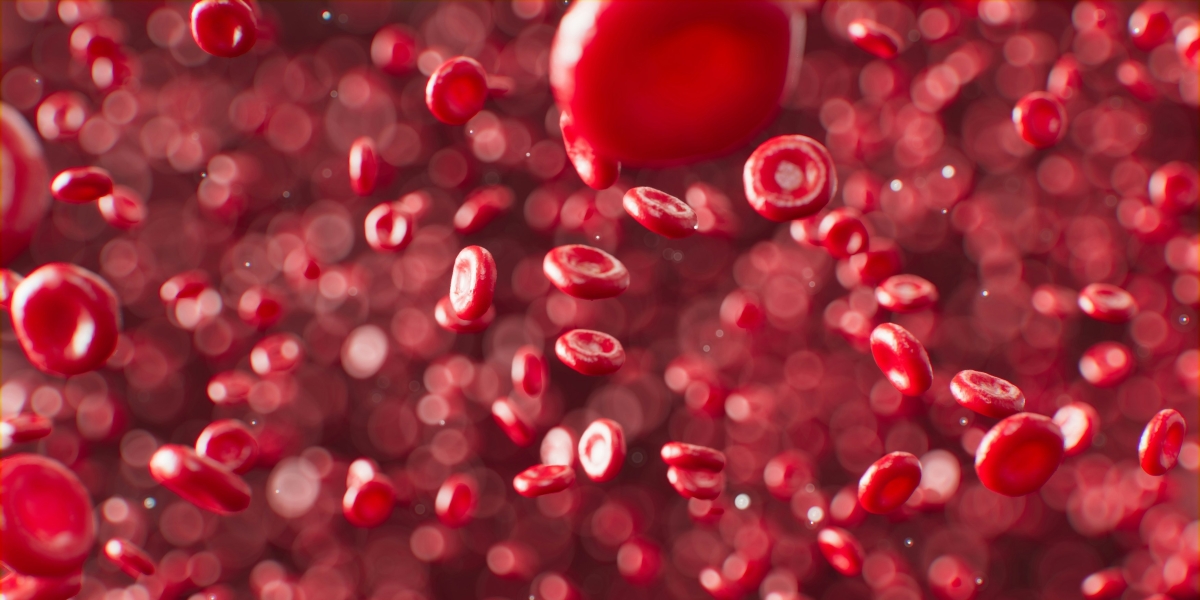





Every second, millions of red blood cells move through the body, delivering oxygen to every organ and tissue that needs it. These microscopic cells are among the body’s most important workers, quietly sustaining life by keeping each cell fueled. Without them, muscles would weaken, the brain would slow down, and energy levels would collapse.
Red blood cells are small, but their role in health is enormous. In recent years, nutrition and cellular research have highlighted how maintaining red blood cell health supports energy and longevity.
Nutrient support, such as a C15 supplement, has been discussed for its potential role in promoting long-term cellular function and circulatory wellness. However, more research is needed to fully understand its impact. Understanding what red blood cells do provides a clearer view of how the body functions and how small internal processes sustain the entire system.
The Structure Behind the Function
Red blood cells, or erythrocytes, are distinct among the body’s cells. Unlike most cells, they lack a nucleus, which creates more space to carry hemoglobin, the protein responsible for transporting oxygen. Their disc-like shape, slightly concave on both sides, is perfectly suited for squeezing through narrow blood vessels and maximizing surface area for gas exchange. This structure allows red blood cells to move quickly and efficiently, delivering oxygen to every part of the body.
The bright red color of blood comes from hemoglobin, which binds with oxygen molecules in the lungs. Each hemoglobin molecule can carry four oxygen atoms, forming a temporary bond that is released when the cell reaches tissues in need of oxygen.
In addition to oxygen, hemoglobin helps transport a portion of carbon dioxide back to the lungs for removal. The body’s ability to produce and maintain these cells depends on specific nutrients such as iron, vitamin B12, and folate. These nutrients facilitate the bone marrow to generate new red blood cells and sustain healthy hemoglobin production.
The Oxygen Delivery System
The primary purpose of red blood cells is to transport oxygen throughout the body. This process begins in the lungs, where oxygen enters the bloodstream through tiny air sacs called alveoli. As blood passes through these structures, hemoglobin molecules within red blood cells bind with oxygen. Once oxygenated, the blood travels from the lungs through arteries and capillaries to every organ.
As tissues use oxygen for energy, they produce carbon dioxide as a byproduct. Red blood cells play an equally critical role in removing this waste gas. Carbon dioxide attaches to hemoglobin or dissolves in the plasma and is carried back to the lungs, where it is exhaled.
This exchange (oxygen delivered, carbon dioxide removed) keeps metabolism steady and prevents the buildup of acidic compounds that could disrupt the body’s balance. Without this precise process, even short interruptions could impact energy production and cellular function.
A Cycle of Renewal
Red blood cells are constantly being replaced. Each cell has a lifespan of about 120 days before it becomes too worn to function efficiently. As cells age, they lose flexibility and can no longer pass easily through tiny capillaries. The spleen and liver act as filters, identifying and removing old cells from circulation.
The body recycles key components like iron and amino acids to create new cells so that nothing goes to waste. New red blood cells are produced in the bone marrow through a process called erythropoiesis. This process is regulated by a hormone known as erythropoietin, produced in the kidneys.
When oxygen levels drop (such as at high altitudes or during blood loss), the body increases erythropoietin production, prompting the bone marrow to release more red blood cells. This feedback loop keeps oxygen levels stable and maintains a healthy balance between production and breakdown.
When Balance Is Lost
A healthy balance of red blood cells is essential. Too few cells or poorly functioning hemoglobin leads to anemia, one of the most common blood-related conditions. Anemia results in fatigue, weakness, pale skin, and shortness of breath due to reduced oxygen delivery.
Causes include iron deficiency, vitamin B12 deficiency, chronic illness, or blood loss. Addressing these issues often involves improving nutrition, managing underlying health conditions, or supplementing missing nutrients.
On the other hand, having too many red blood cells, a condition called polycythemia, can make the blood thicker and harder to circulate. This puts added strain on the heart and increases the risk of clots. Maintaining hydration, balanced nutrition, and regular medical checkups helps ensure that red blood cell counts remain within a healthy range.
The Lifeline Within
Red blood cells work silently but powerfully, forming the foundation of human vitality. Every heartbeat moves them through a vast network of vessels, carrying oxygen to where it’s needed most and returning waste for removal. Their constant renewal reflects the body’s remarkable ability to maintain balance and adapt to changing conditions.
Disclaimer: The information provided in this article is for informational purposes only and should not be considered medical advice. The effectiveness of supplements, including C15, may vary and requires further research. Always consult with a healthcare professional before making changes to your diet, supplementation, or health routine.