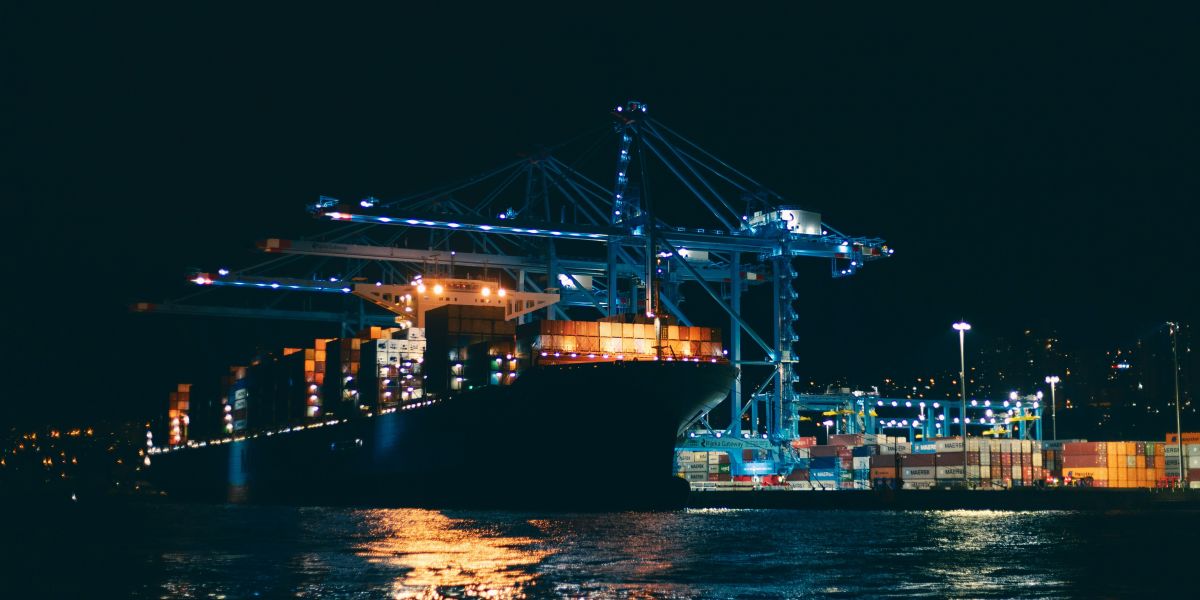



The movement of massive quantities of goods across oceans remains the backbone of international commerce, yet the mechanisms that govern how ships are secured for transport are often complex and nuanced. Whether dealing with bulk commodities or specialized project cargo, entering into a vessel charter agreement requires a deep understanding of maritime law, commercial risk, and operational logistics. This article explores the different structures of chartering, the legal obligations of the parties involved, and the shifting market dynamics that influence how capacity is secured in a volatile global economy. By examining the fundamental differences between various charter types, readers will gain clarity on how freight costs are determined and how liability is distributed across the maritime supply chain. At its core, a charter is a contractual agreement where a shipowner leases a vessel or its carrying capacity to another party, known as the charterer. This arrangement is governed by a document called a charterparty, which serves as the legal framework for the transaction.
For professionals navigating this space, the primary challenge often lies in selecting the right type of agreement to match their specific cargo needs and risk appetite. The choice between a voyage charter, a time charter, or a bareboat charter significantly impacts who bears the cost of fuel, port charges, and crew management. As global trade routes face increasing pressure from geopolitical shifts and environmental regulations, the strategic importance of these agreements has never been higher for manufacturers, traders, and logistics providers.
The most common entry point for many organizations is the voyage charter. Under this arrangement, a vessel is hired for a specific journey between designated ports to carry a particular cargo. The shipowner maintains full operational control and is responsible for the costs of running the ship, including the crew and maintenance. The charterer, in turn, pays a negotiated freight rate, which is typically calculated based on the quantity of cargo or as a lump sum. This model provides simplicity for those who do not wish to manage the daily operations of a vessel but need to move specific volumes of goods across the sea. It is particularly prevalent in the transport of dry bulk commodities like grain or ore, where market demand fluctuates seasonally and geographically. One of the defining characteristics of a voyage charter is the concept of laytime. This refers to the period during which cargo can be loaded and unloaded without additional charges. If the charterer exceeds this timeframe, they are typically required to pay demurrage, which acts as a liquidated damage payment to the shipowner for the delay.
Conversely, if the process is completed faster than agreed, the owner might pay dispatch to the charterer. These financial mechanisms ensure that the vessel remains profitable by incentivizing efficient turnaround times in port. Understanding the nuances of laytime definitions and common exceptions is critical for managing the total cost of transport in a voyage-based agreement. For entities requiring greater tactical control over their shipping capacity, a time charter offers distinct advantages. In this scenario, the charterer hires the vessel for a specific duration, ranging from a few months to several years. While the owner still provides the crew and handles technical management, the charterer gains the right to direct the ship’s course and the cargoes it carries, within agreed limits. This effectively places the commercial risk on the charterer. They must pay for fuel, port fees, and other voyage-related expenses, as well as a daily hire rate to the owner, regardless of whether the ship is moving or stationary. The shift toward longer-term time charters is often seen in industries with steady, predictable output, such as energy production or large-scale manufacturing. By securing a vessel for an extended period, the charterer can hedge against fluctuations in market freight rates and ensure they have the necessary capacity to fulfill their commitments. However, this model requires a higher level of maritime expertise, as the charterer must manage the scheduling, bunkering, and port coordination. The legal relationship also becomes more complex, as the charterparty must account for potential off-hire periods where the vessel might be unavailable due to mechanical failure or routine maintenance. In more specialized scenarios, particularly when moving oversized or heavy lift equipment, the requirements for a vessel charter become highly technical.
Project cargo often involves equipment that cannot fit into standard containers, requiring vessels with specific crane capacities or deck strengths. These operations necessitate detailed engineering studies and strict adherence to safety protocols to ensure the integrity of the cargo and the vessel. In these cases, the charter agreement often includes detailed clauses regarding loading methods, securing height, and specialized insurance coverage to mitigate the unique risks associated with non-standard freight. The role of professional logistics partners is often vital in bridging the gap between cargo owners and shipowners.
Organizations such as Scan Global Logistics A/S act as intermediaries, bringing technical and commercial expertise to the table and helping negotiate terms that reflect the current market reality. When engaging in a vessel charter, having a partner who understands the local port conditions and global regulatory requirements can prevent costly delays and legal disputes. Their involvement often ensures that the vessel selected is technically fit for the specific cargo and that the charterparty reflects the most current international maritime standards. A less frequent but highly impactful form of agreement is the bareboat or demise charter. In this arrangement, the charterer assumes virtually all of the owner’s responsibilities. They provide the crew, pay for insurance, manage maintenance, and handle all operational aspects.
The shipowner essentially provides only the hull. This type of charter is often used as a financing tool by shipping companies or by large corporations that want the benefits of owning a fleet without the long-term capital expenditure of purchasing vessels outright. Because the charterer assumes full control, they also assume the most significant liabilities, making this a high-risk, high-reward strategy reserved for experienced maritime operators. The financial volatility of the shipping industry is a constant factor in chartering decisions. Freight rates are influenced by a myriad of factors, including global oil prices, trade tensions, and shifts in consumer demand.
During periods of high demand and low vessel availability, owners hold the upper hand, leading to higher hire rates and more restrictive terms. Conversely, when the market is oversupplied with tonnage, charterers can negotiate more favorable conditions. This cyclical nature requires participants to stay informed about fleet growth, scrapping rates, and emerging trade routes to time their chartering activities effectively. Environmental regulations are also reshaping the landscape of maritime agreements. The International Maritime Organization has introduced strict limits on sulfur emissions and carbon intensity, which directly affect vessel operations. Modern charter agreements now frequently include clauses related to fuel quality and environmental performance indicators. Ships that are more fuel-efficient or equipped with emission scrubbing technology often command a premium in the market.
Charterers are increasingly assessing the carbon footprint of their shipping activities as part of their broader corporate social responsibility goals, leading to greater emphasis on the technical specifications of the vessels they hire. Risk management is perhaps the most critical component of a successful chartering operation. Disputes can arise from various issues, such as cargo damage, vessel performance, speed, and bunker quality. To mitigate these risks, parties often rely on standardized charterparty forms developed by international organizations like BIMCO. These forms provide a balanced starting point for negotiations, covering essential aspects such as seaworthiness, force majeure, and arbitration procedures. However, most agreements require bespoke amendments to address the parties’ specific needs, underscoring the importance of legal and commercial diligence before any contract is signed. The vessel’s physical condition is another fundamental consideration that can affect the success of a charter.
Before a vessel is delivered into a charter, it typically undergoes an on-hire survey to document its condition and the amount of fuel on board. A similar survey is conducted at the end of the charter period. These inspections are vital for determining responsibility for any damage that might have occurred during the hire period. Maintaining clear records and ensuring open communication between the vessel’s master and the charterers’ operational team can prevent many common misunderstandings that lead to financial claims. The digital transformation of the maritime industry is slowly beginning to influence how charters are executed. While much of the industry still relies on traditional broker networks and manual documentation, new platforms are emerging to increase transparency and efficiency. These tools can provide real-time data on vessel positions, port congestion, and historical performance, allowing charterers to make more informed decisions. However, the complex legal nature of the charterparty and the need for personalized negotiation mean that human expertise remains central to the process. The transition to digital solutions is likely to supplement, rather than replace, the established methods for securing vessel capacity.
Ultimately, the decision to charter a vessel is a strategic one that requires balancing cost, control, and risk. For many cargo owners, the ability to secure a dedicated vessel provides a level of certainty and flexibility that scheduled liner services cannot match. Whether it is moving bulk raw materials to a factory or transporting critical infrastructure for a renewable energy project, chartering remains a vital tool for global trade. By understanding the different frameworks available and the market forces at play, organizations can navigate the complexities of the maritime world with greater confidence and operational success. The legal landscape of maritime law continues to evolve, with new precedents being set in international courts regarding liability and environmental compliance. For anyone involved in chartering, staying abreast of these changes is not just a matter of compliance but a fundamental part of commercial strategy.
As the industry moves toward a more sustainable and transparent future, those who can master the intricacies of the vessel charter will be best positioned to thrive in the competitive world of international shipping. The relationship between the shipowner and the charterer, while often fraught with potential conflict, remains one of the most enduring and essential partnerships in the history of global commerce.
Disclaimer: The information provided in this article is for general informational purposes only and does not constitute legal, financial, or professional advice. The views expressed are based on the current understanding of vessel chartering practices in global maritime commerce. It is recommended that businesses consult with qualified professionals in maritime law, logistics, and risk management before making any decisions related to vessel charters. While every effort has been made to ensure the accuracy of the content, the maritime industry is subject to change, and readers should verify all details and consult relevant experts to account for the most up-to-date regulations and market conditions.