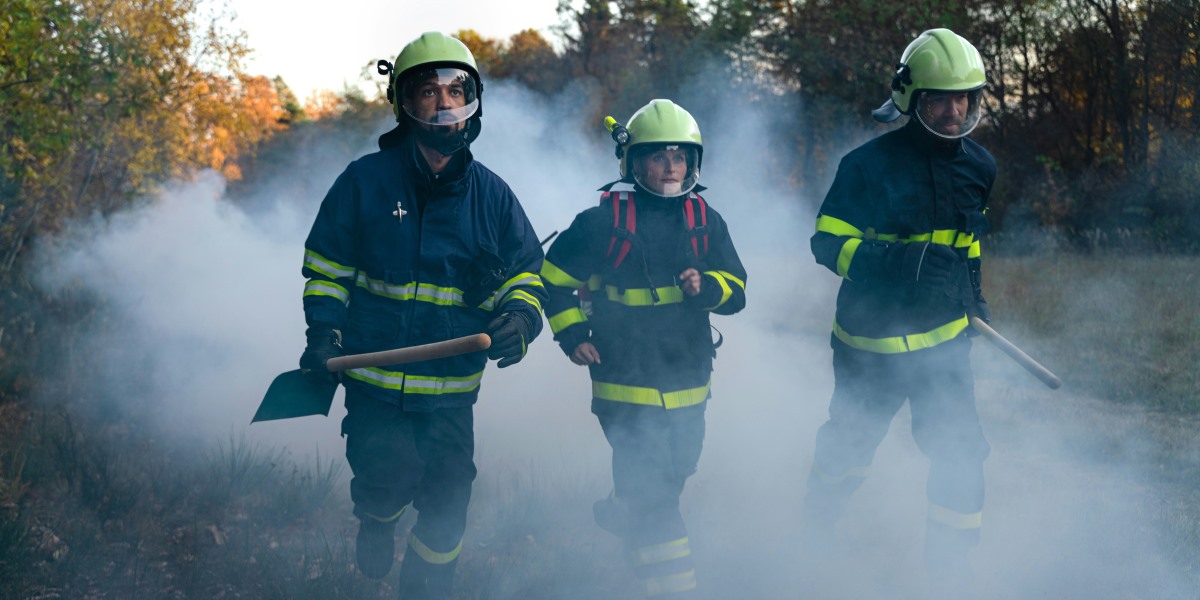




Wildfires are among the most dangerous natural disasters, capable of spreading rapidly and causing widespread destruction. In recent years, the frequency and intensity of wildfires have increased, posing a significant threat to communities across the globe. Whether you’re living in an area prone to wildfires or are caught in one unexpectedly, knowing how to respond quickly and effectively can make a huge difference in protecting yourself, your family, and your property. In this article, we will explore the essential steps to take during a wildfire to ensure your safety and minimize the risks.
1. Stay Informed and Alert
The first step in preparing for and responding to a wildfire is to stay informed. Always have access to up-to-date information from trusted sources, such as local authorities, the National Weather Service, or wildfire apps that can provide real-time alerts.
-
Listen to Local Authorities: Pay close attention to evacuation orders, warnings, and updates from local emergency services. Authorities often use radio, television, and social media to communicate with the public during an emergency.
-
Use Technology: Download apps and sign up for emergency alerts. Many regions have specialized wildfire apps that provide live maps of fire locations and updates on evacuations or fire containment.
-
Know the Winds and Weather Conditions: Winds play a critical role in how fast wildfires spread. Check for weather reports and understand how wind conditions could affect the fire’s movement.
Being aware of your surroundings and any developments in the wildfire’s progress will help you make timely decisions and respond effectively to changes.
2. Prepare for Evacuation
If you live in an area prone to wildfires, it’s essential to prepare for evacuation well in advance. Even if there is no immediate danger, having a plan can save critical time and reduce stress when disaster strikes.
-
Create an Evacuation Plan: Identify the safest routes out of your area and make sure all family members are familiar with the plan. Know at least two evacuation routes in case one is blocked by fire or debris.
-
Pack an Emergency Kit: Keep an emergency kit ready with essential supplies, such as non-perishable food, water, first aid items, medications, important documents, a flashlight, batteries, a multi-tool, and a portable phone charger. A go-bag should be packed and easy to grab in an emergency.
-
Prepare Your Vehicle: Ensure your vehicle is in good working condition and has a full tank of gas. Wildfires can disrupt fuel stations, and roads may be congested, so having a full tank will help you evacuate efficiently.
-
Communicate with Family and Neighbors: Establish a communication plan with family members and neighbors, especially if you are separated. Make sure everyone knows where to meet in case of an evacuation.
3. Evacuating Safely
If an evacuation order is given, leave immediately—delaying could put you at serious risk. The situation can change rapidly, and fires can quickly spread, creating dangerous conditions for anyone still in the area.
-
Follow Official Evacuation Routes: Stick to the routes recommended by authorities. Roads may be crowded, and alternative routes could be blocked. If you’re instructed to evacuate, don’t hesitate or wait for conditions to worsen.
-
Stay Calm and Focused: Wildfires can be chaotic, but staying calm is essential for making clear-headed decisions. Focus on your plan and ensure that all family members are accounted for before you leave.
-
Avoid Driving Through Smoke: Smoke can severely reduce visibility, making driving dangerous. If you must drive through smoke, keep your headlights on, drive slowly, and stay alert for other vehicles and road hazards.
-
Keep Your Car Windows Up: If you are evacuating by car, keep the windows up and the air conditioning on to minimize exposure to smoke and toxins.
4. If You Are Trapped, Stay Inside
If you are unable to evacuate in time or become trapped during a wildfire, it’s important to take immediate actions to protect yourself.
-
Find a Safe Room: Ideally, you should retreat to a room with minimal windows and plenty of ventilation, such as a basement or an interior room. This reduces your exposure to smoke and heat.
-
Seal Gaps and Close Doors: Use towels or clothing to seal gaps in doors and windows to keep out smoke and heat. If possible, wet the cloths to create a more effective barrier.
-
Stay Low to the Ground: Smoke rises, so the air closer to the floor will be clearer. Get low to the ground and stay there as much as possible to avoid inhaling smoke.
-
Stay Inside Until Safe: Do not attempt to leave the building if the fire is nearby or if there is heavy smoke. Fire can move very quickly, and it may be safer to stay inside than to risk getting trapped on the road.
-
Stay in Communication: If possible, call 911 or a loved one to let them know your location. Authorities may be able to assist or offer guidance on the best actions to take while you’re waiting for the fire to pass.
5. Dealing with Smoke and Ash
Even if you are not directly in the path of the fire, smoke and ash from a wildfire can pose serious health risks. Breathing in smoke can cause respiratory issues, eye irritation, and other health problems, particularly for children, the elderly, and people with pre-existing conditions.
-
Limit Exposure to Smoke: Stay indoors as much as possible and keep windows and doors closed. If you need to go outside, wear a mask or a cloth over your nose and mouth to protect your lungs.
-
Use Air Purifiers: If available, use an air purifier to reduce indoor smoke levels. Keeping air quality as high as possible inside your home can help prevent health issues.
-
Keep Hydrated: Drink plenty of water, as dehydration can make respiratory problems worse. Staying hydrated also helps your body better cope with the stress of smoke exposure.
6. After the Wildfire: Stay Cautious
Once the wildfire has passed, the danger may not be entirely over. There are still several precautions to take after the event:
-
Wait for Official All-Clear: Only return home once authorities have issued an all-clear signal. Wildfires can reignite unexpectedly, and areas near the fire may still be unsafe.
-
Check for Hazards: Once you return home, check your property for hazards such as downed power lines, smoldering embers, or dangerous debris. Avoid touching anything that may be hot or could pose a risk of fire.
-
Stay Informed: Continue to listen to local news or emergency services for updates on air quality and fire risks. It’s important to remain alert for any signs of further fire activity.
While wildfires can be unpredictable and terrifying, knowing what to do during a wildfire can make a significant difference in your safety. By staying informed, preparing in advance, evacuating quickly when needed, and taking appropriate steps if trapped or exposed to smoke, you can help protect yourself and your loved ones. In any wildfire situation, your priority should always be to remain calm, follow official guidance, and act decisively to avoid unnecessary risk.