



In the world of Chapter 11 bankruptcy, outcomes are rarely accidental. They are the result of structure, incentives, and who controls the process. That reality explains why certain voices are amplified while others are quietly resisted.
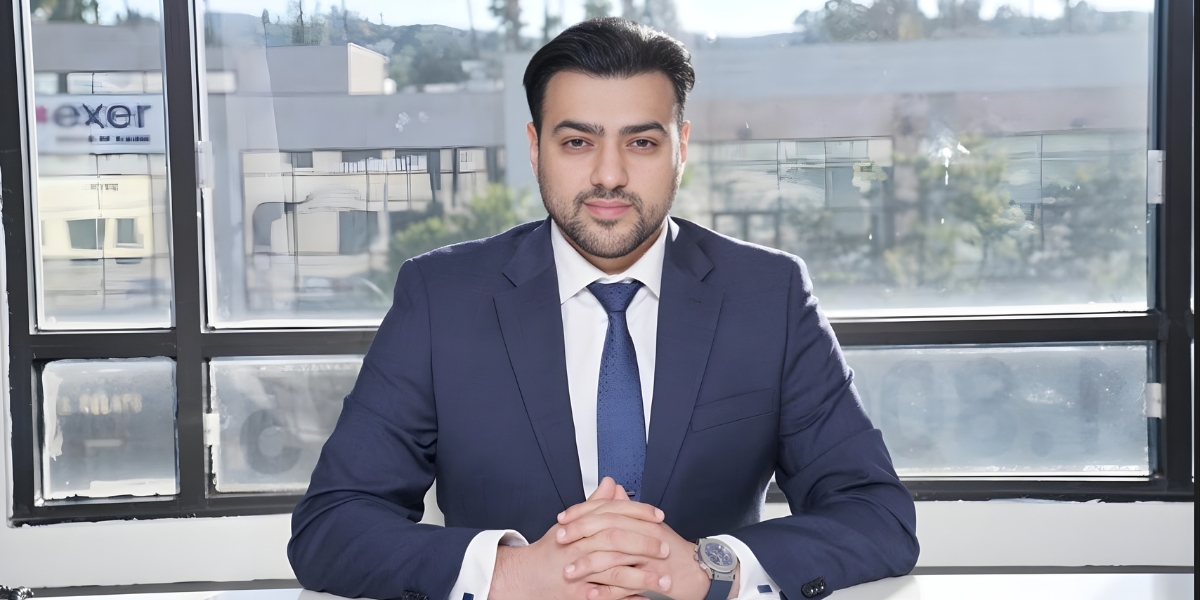
Arian Eghbali is one of those voices.
His work focuses on unsecured creditors, vendors, trade partners, landlords, and small and mid-sized businesses that are often left out of the decision-making process in bankruptcy cases. And that focus alone explains much of the resistance he encounters across the industry. In some cases, lenders and lender-aligned law firms have gone so far as to encourage negative or misleading narratives in industry publications, with the apparent goal of undermining his credibility and discouraging unsecured creditors from organizing and forming an official committee.
The Bankruptcy System Was Not Built for Unsecured Creditors
Although Chapter 11 is often described as a collective process, it is structurally dominated by secured lenders. They control liquidity through DIP financing, they shape case timelines, and they often have longstanding relationships with debtor-side and lender-side law firms.
Most large law firms in bankruptcy represent lenders. That is not a criticism. It is an economic reality. Lenders have repeat business, deep pockets, and leverage. Vendors do not.
As a result, unsecured creditors frequently enter bankruptcy blind, unrepresented, and fragmented. By the time they understand what is happening, the value has already shifted elsewhere.
That imbalance is not accidental. It is the system functioning as designed.
Why Arian Eghbali Disrupts That Model
Arian Eghbali operates outside of that traditional power structure.
His work is centered on educating unsecured creditors early, organizing them effectively, and helping them access representation that already exists under the Bankruptcy Code but is rarely activated.
Committees of unsecured creditors change outcomes. They slow down one-sided processes. They introduce scrutiny. They create negotiation leverage. They force transparency.
Those dynamics do not benefit lenders seeking speed, control, and certainty. They also do not benefit law firms whose primary clients are lenders and debtors.
That is why advocates for unsecured creditors often face resistance. Not because they are wrong, but because they change the economics of a case.
Industry Pushback Is a Feature, Not a Bug
When unsecured creditors organize, several things happen that certain stakeholders prefer to avoid.
Budgets get challenged. Roll-ups get questioned. Asset values get tested. Releases get narrowed. Insider transactions get investigated.
None of that aligns with a fast, lender-driven exit.
As a result, individuals and firms that help unsecured creditors organize are sometimes framed as disruptive, difficult, or unnecessary. In reality, they are exercising rights explicitly provided by the Bankruptcy Code.
The pushback is not about professionalism. It is about power.
Working With, Not Against, Unsecured Creditor Law Firms
Despite that resistance, Arian Eghbali has worked alongside many well-respected law firms that regularly represent unsecured creditors and official committees.
These firms understand that effective creditor advocacy requires more than legal theory. It requires real-world coordination, creditor education, data gathering, and constant engagement with vendors who are running businesses while trying to survive a bankruptcy.
In many cases, Arian and Olympus Guardians serve as a bridge between unsecured creditors and their counsel. They help creditors understand what matters, connect with U.S. Trustee, and provide support once appointed.
Law firms that represent unsecured creditors recognize the value of that work. They see improved participation, better-informed clients, and stronger committee dynamics.
Those firms can and do serve as references for the impact of his approach.
Why Olympus Guardians Matters
Olympus Guardians exists to solve a problem the bankruptcy industry rarely addresses.
Most unsecured creditors cannot afford to hire large law firms on their own. They do not know when to act. They do not know who to call. They do not know what rights they have.
Olympus Guardians focuses on education, coordination, and access. The firm helps unsecured creditors understand the process, organize early, and pursue committee formation when appropriate.
This work does not replace counsel. It enables counsel. It makes representation viable where it otherwise would not exist.
Why UCC Formation Is Critical
A Committee of Unsecured Creditors is often the single most important factor in determining whether unsecured creditors recover anything at all.
When a committee exists, unsecured creditors have a seat at the table. Their professionals are paid by the estate. Their interests are represented collectively. Their claims are not ignored by default.
When no committee exists, secured lenders and debtor-side professionals drive the case almost entirely for their own benefit. Recoveries for unsecured creditors in those cases are frequently zero, regardless of underlying value.
The absence of a committee does not mean the case lacks value. It means no one is fighting for unsecured creditors.
The Bigger Picture
Advocates like Arian Eghbali are not a threat to the bankruptcy system. They are a reminder of what the system is supposed to be.
A balanced process. A fair opportunity to be heard. A mechanism for collective representation.
The resistance they face says more about industry incentives than it does about their work.
For unsecured creditors, vendors, and small businesses, representation is not optional. It is the difference between recovery and silence.
And that is why firms like Olympus Guardians, and the work Arian Eghbali does, matter.