



By: James D. Crespo
Every high-performing team depends not just on talent or resources but on a simple human truth: people must feel safe to speak up. When voices stay silent, minor problems fester, and big opportunities slip away. Psychological safety unlocks honest feedback, sparks creativity, and transforms everyday challenges into collective triumphs.
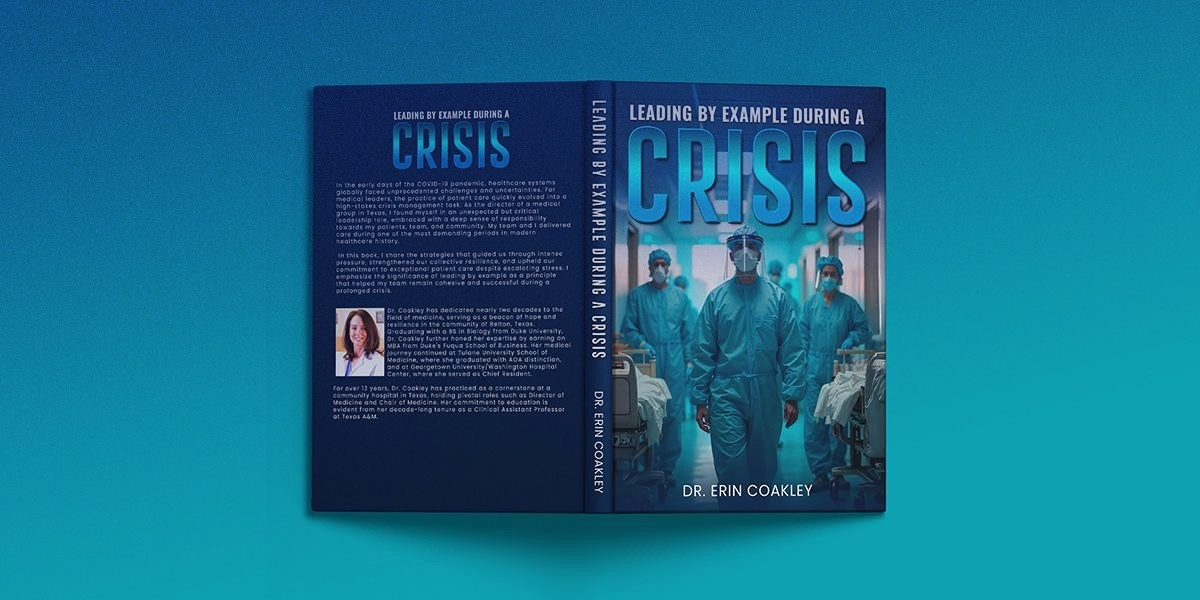
In her newly released book, Leading By Example During a Crisis, Erin Coakley challenges long-held myths about leadership and reveals why true resilience emerges from an environment where every voice feels safe.
Drawing on Coakley’s proven principles of open communication and empathy, this article demonstrates how to cultivate the psychological safety your team needs to innovate, adapt, and thrive—especially under pressure.
What Is Psychological Safety
Psychological safety means people feel free to speak up without fear of punishment or shame. Team members know they can share ideas and admit mistakes without worrying about “looking bad.” This trust fosters honest conversations, enabling everyone to learn and grow together.
Lessons from Google’s Project Aristotle
Google studied hundreds of teams under “Project Aristotle.” They tested many factors—skills, tools, even personalities. One factor stood out above all: psychological safety.
Teams with high safety talked more. They shared ideas, asked for help, and admitted errors. Those teams solved problems faster and felt more connected. Google’s research proves that psychological safety fuels both creativity and performance.
Connecting to the Book’s Themes
In Leading By Example During a Crisis, Erin Coakley emphasizes the power of open communication and empathy. She demonstrates how leaders who listen build trust, and how clear explanations and honest feedback guide teams through chaos.
These lessons align with Google’s findings: when people feel heard and cared for, they do their best work. Psychological safety grows from this blend of openness and genuine concern.
How to Build Psychological Safety
Building safety starts with a leader’s example. Speak kindly. Admit your own mistakes. Invite feedback. Make it clear that every voice matters. Then, move beyond words—create routines that let people practice safe sharing. Over time, these routines become habits that strengthen your team’s bond.
Exercise 1: Daily Check-In Circles
Begin each day with a short circle meeting. Ask one question to help people connect, such as:
- What did you learn yesterday
- What support do you need today
Keep answers brief. Listen without interrupting. This simple practice reminds everyone that their voice matters and helps spot concerns early.
Exercise 2: Active Listening Sessions
Set aside 40 minutes each week for pairs. One person speaks for five minutes about a challenge, while the other listens silently, no advice, no judgment. Afterward, the listener paraphrases what they heard, and then the roles switch. This builds empathy and respect.
Exercise 3: Shared Decision Workshops
When facing a tough choice, gather the whole team. Present the issue clearly. Encourage everyone to share ideas and concerns, ensuring each person speaks once before anyone speaks twice. Capture all suggestions visually, then discuss them openly before making a decision together. This demonstrates that you value every perspective and fosters collective ownership.
Maintaining Momentum
Consistency is key. Keep these exercises brief, focused, and performed frequently. Celebrate small wins, like when someone shares openly or admits a mistake. Praise the courage it takes. Over time, your team will come to realize that openness leads to stronger results and deeper trust.
Final Words
Psychological safety is the foundation of every great team. It grows when leaders model honesty, empathy, and respect. Google’s Project Aristotle shows that safety drives success. Erin Coakley’s work proves that clear communication and caring actions may guide teams even through a crisis.
By incorporating simple practices into your routine, you’ll create an environment where people feel safe to learn, adapt, and excel, regardless of the challenges that lie ahead.
Secure your copy of Leading By Example During a Crisis by Erin Coakley today. Discover effective methods to help foster trust, empathy, and resilience in your team and equip yourself to lead confidently through any challenge.
Disclaimer: The views expressed in this article are for informational purposes only and should not be considered as professional advice.