



Venice Beach’s Chameleon Museum officially opened on April 29 as the Venice Beach surf skate snow museum introduces a permanent cultural space in Los Angeles dedicated to surf, skateboarding, and snowboarding history through curated artifacts and community-driven exhibits.
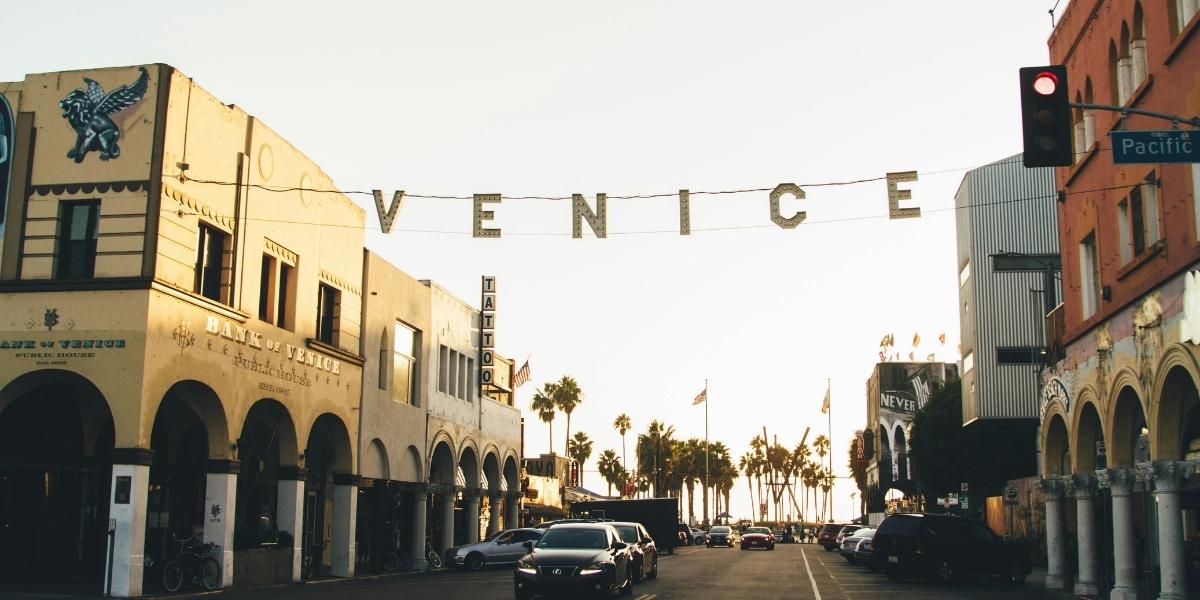
The opening event marked the public debut of the museum located near the Venice Boardwalk, positioning it within one of Los Angeles’ most recognizable coastal cultural districts. The launch introduced the space as a long-term exhibition venue focused on documenting board sports evolution, with an emphasis on Southern California’s influence on global surf and skate identity. Visitors attending the opening were presented with early access to gallery installations that trace the development of surfboards, skate decks, and snowboard design through multiple decades of cultural transformation.
The museum operates under the Chameleon Museum and Gallery initiative, a nonprofit-oriented cultural project designed to preserve and present board sports heritage through physical archives and rotating exhibitions. The venue occupies a converted gallery space in Venice, structured to accommodate both static displays and temporary installations. The opening date of April 29 was selected to coincide with a broader rollout of Venice-based cultural programming that has increasingly highlighted the neighborhood’s role in shaping global street and beach lifestyle movements.
Venice Beach as a Cultural Foundation for Board Sports
The establishment of the museum reinforces Venice Beach’s long-documented position as a foundational site for surf and skate culture in California. The neighborhood has historically functioned as a convergence point for coastal surf communities and urban skateboarding movements, particularly during the late 20th century when skateboarding culture expanded from local streets into global recognition.
Venice Skatepark, located directly on the beachfront, has served as a symbolic and physical anchor for modern skateboarding in Los Angeles since its official development in 2009. The museum’s proximity to this landmark situates it within a dense cultural geography that includes surf shops, skate parks, and artistic installations tied to the area’s countercultural identity. The Chameleon Museum builds on this environment by consolidating artifacts that reflect both the ocean-based origins of surfing and the urban evolution of skateboarding in Southern California.
Curators associated with the project have structured the exhibition space to reflect the interconnected development of board sports rather than treating surf, skate, and snowboarding as separate disciplines. The museum presents these activities as part of a shared lineage rooted in experimentation with balance, motion, and design innovation, which emerged in California and later expanded internationally.
Exhibits Focused on Surf, Skate, and Snowboarding Evolution
Inside the museum, the permanent collection features surfboards that reflect early fiberglass construction techniques, skateboards that document the transition from wooden planks to engineered decks, and snowboarding equipment that traces the sport’s adoption of surf-inspired design principles. These items are arranged chronologically to illustrate the progression of board technology alongside cultural shifts in how each sport was practiced and commercialized.
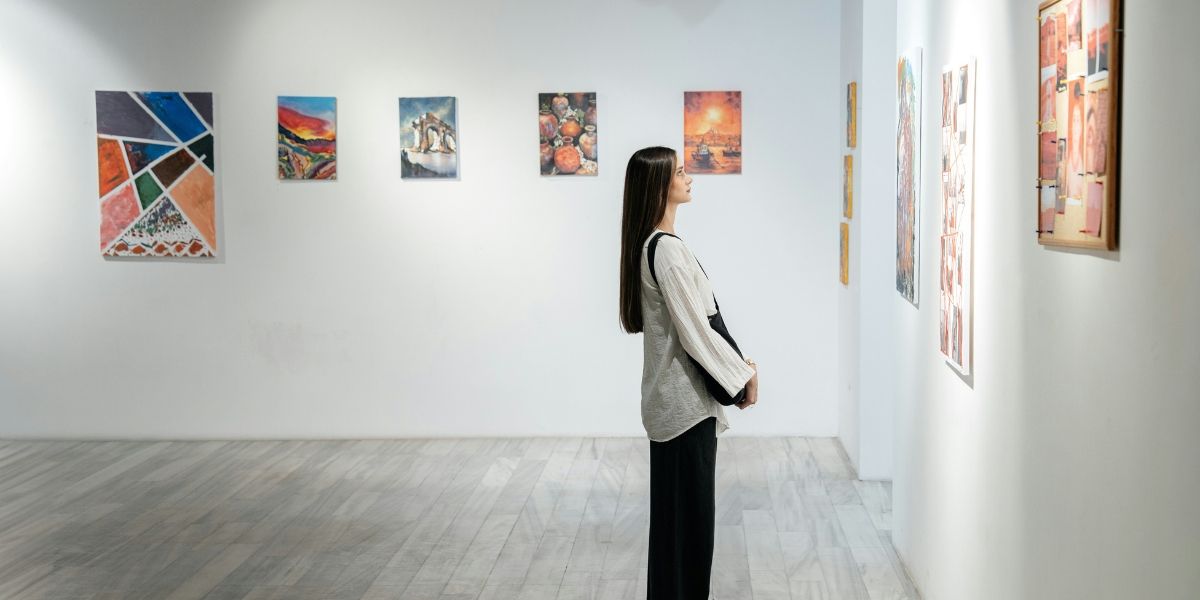
The exhibition includes photographic archives that document Venice Beach during key developmental phases of skateboarding culture, particularly during the 1970s and 1980s when local skate groups began transforming empty pools and urban infrastructure into skating environments. These visual records are displayed alongside contemporary artwork inspired by surf and skate aesthetics, reinforcing the continuity between historical documentation and modern interpretation.
Snowboarding materials included in the collection highlight the later expansion of board culture beyond coastal environments into mountainous regions, demonstrating how design concepts originating in surf culture influenced winter sports equipment development. The integration of these three disciplines within a single exhibition space reflects a curatorial approach that emphasizes cultural continuity rather than separation.
Community Programming and Educational Focus
The Chameleon Museum incorporates a structured community programming model intended to support local youth engagement through board sports education and creative workshops. The initiative includes scheduled sessions focused on surf instruction, skateboarding fundamentals, and introductory snowboarding concepts adapted for urban audiences.
Educational programming is designed to connect physical activity with cultural history, allowing participants to engage with both the practice and legacy of board sports. Workshops also include creative components such as photography, design, and storytelling, reflecting the museum’s emphasis on documenting lived experiences within Venice Beach’s cultural landscape.
The space has been positioned as accessible to local residents, with programming intended to reduce barriers to entry for youth participation in surf and skate culture. This approach aligns with broader efforts in Los Angeles to integrate recreational sports into community development frameworks, particularly in coastal neighborhoods where access to ocean-based activities is a defining aspect of local identity.
Venice Beach Cultural Infrastructure and Expansion of Museum Spaces
The opening of the Chameleon Museum reflects a broader expansion of cultural infrastructure within Venice Beach, where art spaces, skate parks, and experiential venues have increasingly contributed to the neighborhood’s identity as a hybrid cultural district. The museum adds a permanent institutional element to a landscape previously dominated by informal and event-based cultural expression.
Venice Beach has long functioned as a site of artistic experimentation, with its boardwalk serving as a platform for street performers, visual artists, and independent creators. The introduction of a formal museum dedicated to surf and skate history represents a shift toward institutional preservation of subcultural movements that were once primarily documented through oral history and informal community networks.
The museum’s establishment also aligns with ongoing efforts to preserve Venice’s historical identity amid broader urban development pressures in Los Angeles. By anchoring surf and skate culture within a dedicated space, the Chameleon Museum contributes to the archival documentation of movements that have significantly influenced global fashion, music, and lifestyle industries originating from Southern California.