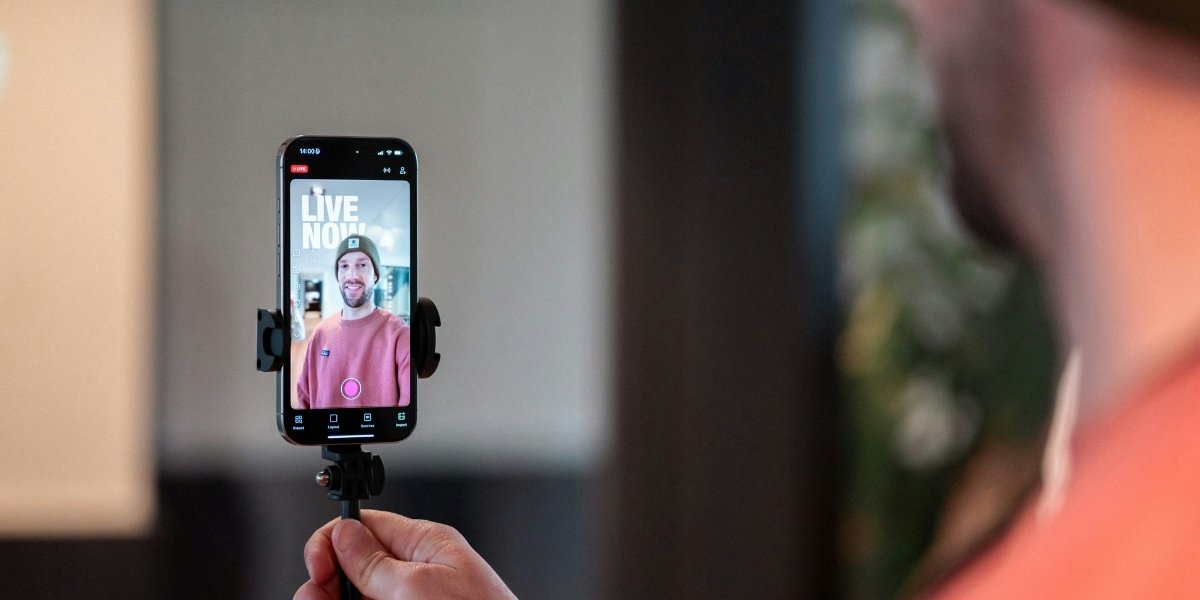


Vertical video is moving from phone screens into Hollywood’s talent pipeline, as creators who built audiences on TikTok, YouTube Shorts, Instagram Reels, and microdrama apps are drawing attention from streamers, studios, and producers.
The shift is not built on a single breakout moment. It is showing up through creator programs, mobile-first shows, app-based dramas, and digital filmmakers who know how to hold attention in a narrow frame. For an industry seeking new voices, lower-risk concepts, and audience signals, the short-form feed has become harder to dismiss.
What Hollywood Is Watching Now
YouTube said in 2026 that Shorts averaged 200 billion daily views, a scale that gives creators an audience test. It does mean studios can see proof of tone, pacing, audience behavior, and repeat viewing before a creator walks into a development meeting.
Vertical video rewards a different set of instincts than traditional film and television. The hook arrives in seconds. Faces often fill the frame. Exposition moves quickly. Episodes often end on a turn, reveal, or cliffhanger. Those habits can look blunt beside prestige television, but they show how mobile audiences respond when a story is built for the device in their hands.
That language is now entering formal entertainment channels. Creators who once posted sketches, horror shorts, serialized scenes, or comedy characters are being viewed less as online personalities and more as possible writers, directors, actors, and showrunners.
Vertical Video Gets A Streamer Test
Major streaming services are testing whether vertical video can keep users inside their mobile apps. Peacock has licensed microdramas from ReelShort and has also prepared Bravo-linked microdramas for its own platform. The move gives NBCUniversal a way to study how users move through short, upright episodes inside an app rather than only on social feeds.
Tubi has taken a different route by joining TikTok on a Creatorverse Incubator. The program is designed to help selected TikTok creators develop original shows for Tubi, with projects spanning scripted and unscripted formats. Tubi said the shows would reach more than 100 million monthly active users on the free streaming service.
TikTok has also moved into training and development. In June 2026, TikTok and Sundance Collab announced a micro-series writing program aimed at creator-led short-form storytelling. For film students and digital creators, that placed vertical storytelling closer to the development language used by traditional screen programs.
The Audition Room Is Now Public
Hollywood has always used smaller formats as a proving ground. Music videos, commercials, web series, stand-up clips, and festival shorts have helped new talent reach larger screens. The difference with vertical video is that audience response is immediate and visible.
A creator can show whether viewers return for multiple episodes, whether characters travel across platforms, and whether a story can survive beyond one viral clip. For agents and producers, that data does not replace creative judgment. It adds another signal.
Digital filmmakers are already crossing over. Kane Parsons built “The Backrooms” from a YouTube concept into a feature project. Curry Barker moved from online horror shorts into “Obsession.” Issa Rae’s Hoorae Media helped produce “Screen Time,” a TikTok microdrama with a 57-part vertical structure. These examples do not create a rule, but they give the industry visible case studies.
Vertical Video Creators Change The Cost Equation
Traditional development can be slow, expensive, and limited by access. Microdramas and short-form series move on compressed timelines, smaller crews, and direct audience feedback. ReelShort, based in Sunnyvale, California, has said it planned more than 400 shows in 2025, up from 150 the year before, with U.S. productions centered largely in Los Angeles.
That pace matters when actors, writers, and crew members are looking for steady work between larger film and television projects. Vertical productions may not carry the same scale or status as studio projects, and labor concerns remain part of the conversation. Still, the format has created a lane for people who can work quickly and adjust to vertical storytelling.
A strong vertical series can show voice, character control, and production discipline without waiting for a gatekeeper to approve the first step. For studios, the appeal is visibility. They can watch creators build proof in public before deciding whether a longer project makes sense.
The Risk Behind The New Pipeline
The rise of vertical video does not remove the hard parts of entertainment. Follower counts can be misleading. A creator who holds attention for 60 seconds may not be ready to carry a 90-minute film or an eight-episode series. Some microdramas lean on repetitive plots, rushed dialogue, or cliffhangers that may not translate outside mobile viewing.
There is also a brand risk for streamers. Audiences may scroll TikTok for quick clips but expect a different experience from paid or ad-supported platforms. If the material feels copied from social feeds without a reason to live inside a streamer, users may treat it as filler.
That is why the current shift is more useful as a pipeline than a replacement. Vertical video gives Hollywood a faster way to spot discipline, pacing, and audience connection. It also gives creators a public runway outside the old path of film school, assistant jobs, and closed development rooms.
The next breakout may still need the basics Hollywood has always required: a clear story, strong characters, reliable production, and timing. The difference is that more early tests are now happening upright, in public, one episode at a time.