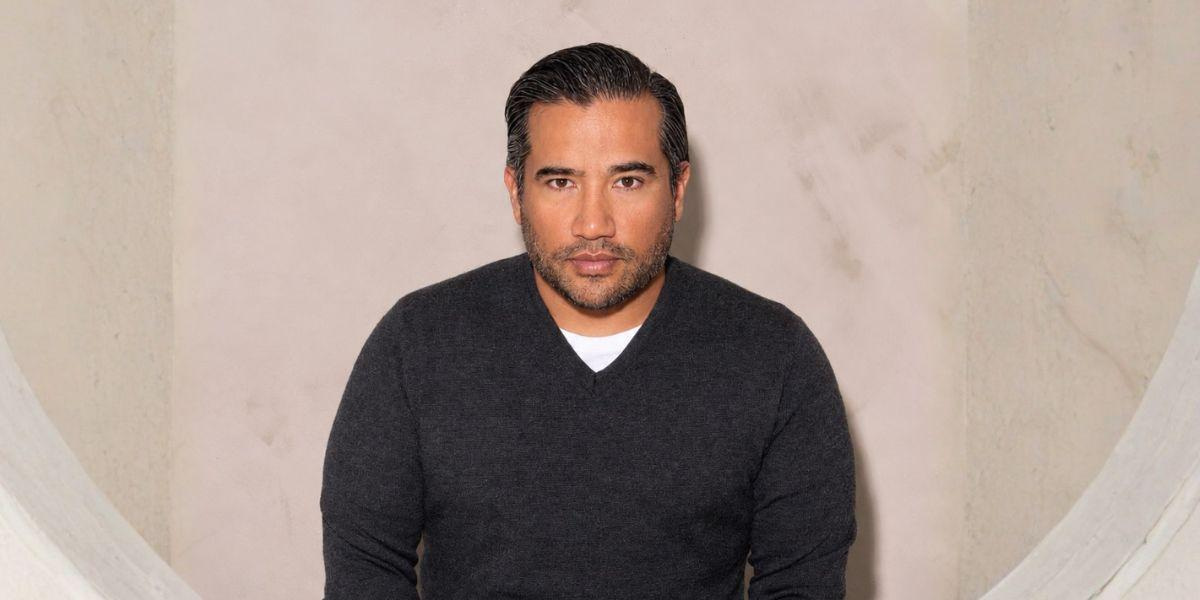

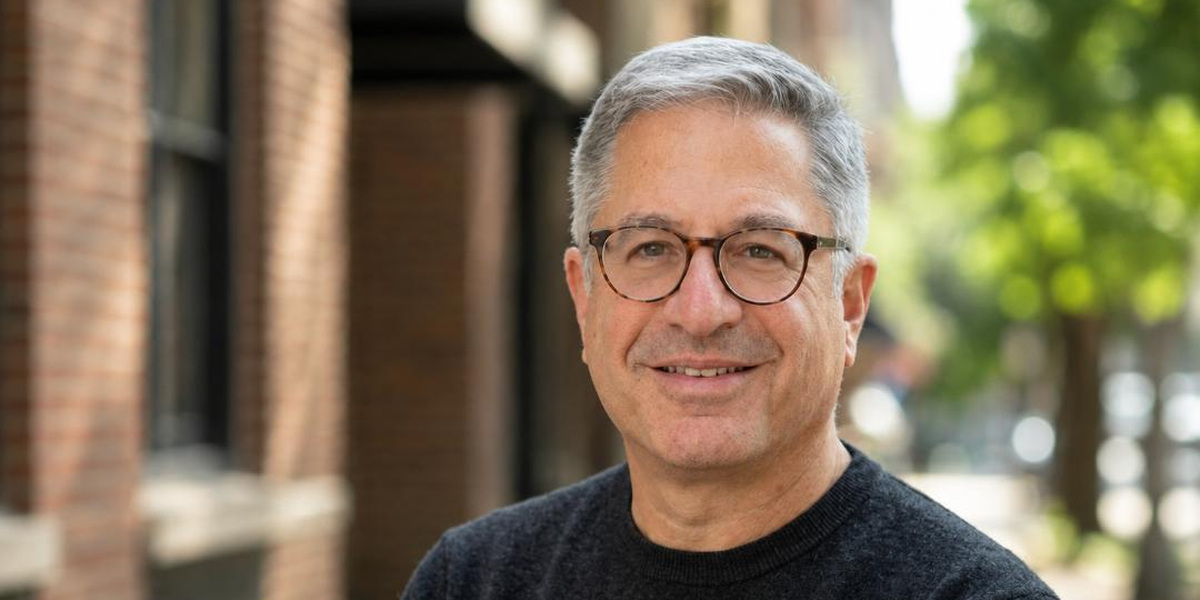



The research microbiologist has spent over two decades connecting laboratory findings, human clinical research, product development, and practitioner education.
Scientific discovery can move quickly, but clinical practice often follows at a more measured pace. Researchers publish new findings, technologies emerge, and theories develop, yet healthcare practitioners still face a practical question: What does the science mean for the people sitting in their offices?
For more than two decades, Kiran Krishnan has built his career around answering that question.
A research microbiologist, clinical researcher, entrepreneur, and scientific educator, Krishnan has worked across microbiome science, nutrition, immunology, and human health. His role has frequently placed him between several worlds. Krishnan studies scientific findings, examines their potential through human clinical trials, contributes to the development of health technologies, and explains the results to practitioners who need clear, clinically relevant information.
That combination has become the defining thread of his work.
Building From a Scientific Foundation
Krishnan received his education and training in research microbiology at the University of Iowa. That background gave him a foundation in the careful methods required to study organisms and biological systems and their relationship to human health.
His career later became closely tied to the microbiome, the communities of microorganisms that live in and on the human body. Research into these microbial communities has raised significant questions about digestion, immunity, nutrition, and other areas of health. However, recognizing an area of scientific interest is different from turning it into something practitioners can evaluate or use.
Krishnan has focused on that next step.
Rather than treating laboratory research as an endpoint, he has examined how scientific concepts perform in clinical settings. Krishnan’s work asks whether a promising mechanism can be studied in people, whether a technology can be developed around it, and whether the resulting information can be communicated responsibly.
This practical orientation has allowed him to move between research, education, and company building without losing sight of the same central objective.
Taking Research Into Human Trials
Clinical research remains a major part of Krishnan’s career. He has designed and overseen more than 35 human clinical trials involving microbiome technologies and related areas of health.
Human trials play a crucial role in determining whether ideas supported by laboratory findings hold up under clinical investigation. They require researchers to establish study protocols, identify appropriate measurements, collect data, and assess results without overstating what those results can prove.
Krishnan’s experience overseeing these studies has helped shape his approach to product development and scientific communication. It provides a basis for discussing microbiome technologies through evidence rather than broad wellness claims.
His research contributions also include peer-reviewed scientific publications and book chapters. Through this work, Krishnan has added to the body of literature available to researchers, clinicians, and others studying the relationship between the microbiome and human health.
Krishnan is also a named inventor on multiple US and international patents related to probiotic and microbiome technologies. These patents reflect another part of the translation process: turning scientific concepts into defined technologies that can be developed, evaluated, and applied.
Developing Microbiome Technologies
Krishnan brought this research-centered approach to Microbiome Labs, where he served as co-founder and chief scientific officer. During his tenure, he helped build the company’s scientific direction and contributed to the development of probiotic, postbiotic, and synbiotic technologies used by healthcare practitioners internationally.
Each category approaches microbiome support differently. Probiotics use live microorganisms, postbiotics involve preparations or components derived from microorganisms, and synbiotics combine complementary microbial and nutritional elements. Developing products within these areas requires decisions about formulations, biological mechanisms, stability, and clinical relevance.
Krishnan’s role connected those technical considerations with the realities of practitioner use. A scientifically interesting technology still needs a clear purpose, a credible research basis, and information that clinicians can understand when considering it within patient care.
His entrepreneurial work has since expanded through QuantBiotics, EndoAxis Labs, The Biome Learning Center, PhytoVeda US, and SIV Care. Although the organizations operate in different parts of the wellness and biotechnology sectors, they reflect a shared approach: examining scientific advances and developing practical health applications based on them.
Giving Practitioners the Context They Need
Research cannot influence clinical conversations if practitioners cannot interpret it. For Krishnan, education has therefore remained closely connected to investigation and development.
He has lectured more than 100,000 healthcare practitioners worldwide, explaining developments in microbiome research and discussing how the evidence may relate to patient care. Reaching that audience requires a different skill set from conducting a trial or contributing to a scientific paper.
Practitioners need enough technical detail to understand the research, but they also need context. They must know what a study examined, what its findings suggest, where its limitations lie, and how the results fit within a wider body of evidence.
Krishnan’s work as an educator focuses on making those distinctions understandable. Rather than reducing microbiome science to a single claim or simplified explanation, he connects biological mechanisms, clinical findings, and practical considerations.
That ability has made education a natural extension of his research. The lecture room, like the laboratory and the clinical trial, becomes another place where scientific knowledge is tested for relevance and clarity.
Developing a Function-First Platform
One of Krishnan’s newest endeavors reflects where he believes microbiome research may be headed. Through QuantBiotics, he is developing a framework for creating precision probiotics and synbiotics that moves beyond selecting familiar or well-characterized strains.
The process instead begins by identifying the biological functions researchers believe should be restored in relation to a particular health condition. It then works backward to determine the microbial ecosystem considered most capable of performing those functions. This function-first approach is intended to connect formulation decisions more closely with specific biological objectives.
Supporting this work is the Biome E.N.G.I.N.E.™ (Ecological Network-Guided Intelligent Next-generation Engineering), QuantBiotics’ proprietary scientific platform. According to the company, it brings together systems biology, microbial ecology, comparative genomics, computational modeling, artificial intelligence, and human clinical research within a unified discovery and development process.
Rather than basing formulations primarily on historical precedent, the platform is designed to evaluate microorganisms according to biological function. QuantBiotics says formulation data and clinical findings can then be incorporated into the system to inform subsequent development.
For Krishnan, QuantBiotics brings together decades of research focused on translating microbiome science into practical healthcare applications. His longer-term vision is to create a continuously learning platform for developing increasingly precise, evidence-informed microbial ecosystems that could contribute to future research into preventive health interventions.
Connecting Discovery With Daily Practice
Throughout his work, Krishnan has held several roles that are often kept separate. He has participated in research, overseen clinical trials, contributed to patented technologies, helped build companies, and taught practitioners how to evaluate emerging science.
Together, those roles reveal a consistent view of scientific progress. Discovery matters, but its value depends partly on whether researchers can study it carefully, communicate it accurately, and develop applications that address practical health questions.
Microbiome science continues to produce complex findings about microorganisms and their interactions with the human body. Krishnan’s career has focused on helping that complexity move into settings where it can be examined, understood, and considered by the professionals responsible for patient care.
For him, the work between discovery and application is not secondary to science. It is where science becomes useful.
Disclaimer: This article is for informational and educational purposes only and is not intended to provide medical advice, diagnosis, or treatment. The research, technologies, and health applications discussed are subject to ongoing scientific evaluation. Readers should consult a qualified healthcare professional before making decisions about their health or using probiotic or other microbiome-related products.