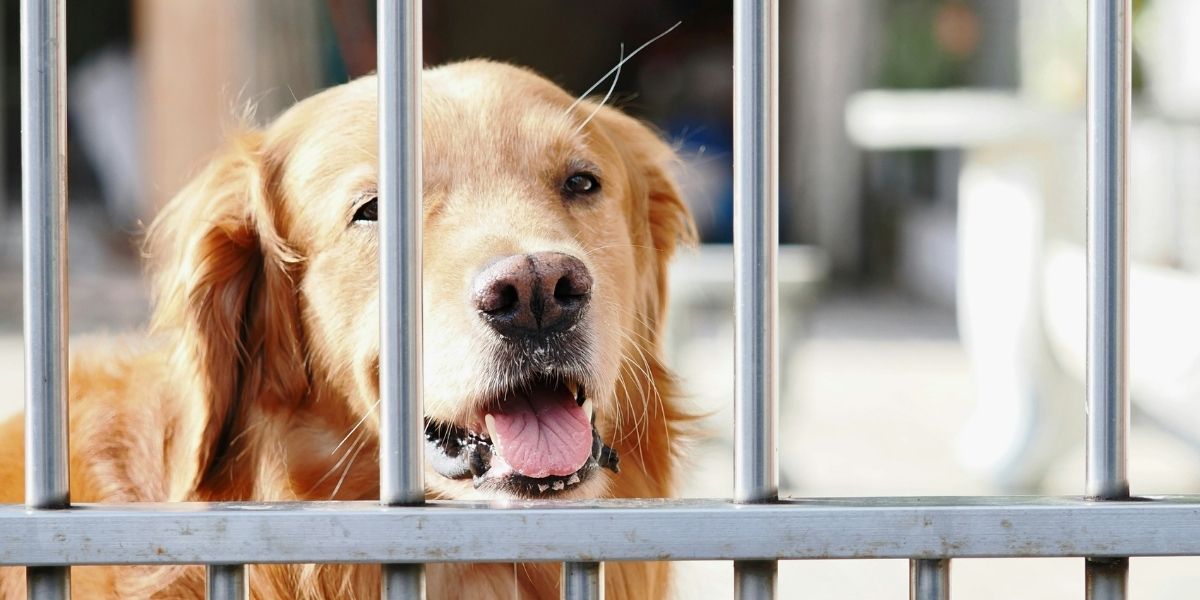




In what is being hailed as the largest animal rescue operation in Los Angeles County’s history, hundreds of dogs and cats were rescued from an illegal breeding and hoarding operation at a property in Lake Hughes. The operation, coordinated by the Department of Animal Care and Control (DACC) with assistance from local law enforcement, uncovered severe violations of animal welfare laws, including overcrowding, unsanitary living conditions, and neglect.
Authorities responded to a tip-off and served a search warrant, initiating the rescue of an estimated 250–300 animals. While early reports suggested that the number could exceed 700, these estimates have since been updated, with the final number of animals rescued confirmed to be around 300.
The DACC and other animal welfare partners were quick to highlight the scale of the operation, acknowledging its significance not only for Los Angeles County but as a symbol of what can be accomplished through effective law enforcement and community collaboration.
The rescue operation sheds light on the larger issue of illegal breeding and hoarding practices across California, where authorities have increasingly found themselves confronting cases of animal neglect in both rural and urban areas. This latest incident in Lake Hughes adds to a growing call for stricter animal welfare laws and more robust enforcement measures to prevent future occurrences.
Disturbing Conditions Discovered During the Rescue
The property in Lake Hughes, located in a remote part of Los Angeles County, was described by officials as a nightmare scenario for the animals found there. Upon arrival, investigators discovered hundreds of animals housed in overcrowded makeshift kennels and cages, many of which had little to no access to food, water, or medical care.
Many of the dogs and cats were in poor health, suffering from malnutrition, untreated injuries, and signs of respiratory distress. Some animals had to be removed immediately due to the severity of their condition, while others required urgent medical attention for infections, parasites, and dehydration.
Law enforcement and animal care professionals worked swiftly to secure the property and ensure that the animals were safely removed. Investigators reported finding multiple structures on the property filled with animals, some living in extremely cramped and unsanitary conditions. The situation was exacerbated by poor ventilation and a lack of proper sanitation, with many animals living in feces-filled enclosures.
Officials emphasized that the conditions uncovered during the rescue operation were not just unacceptable but also presented immediate risks to the health and well-being of the animals. The sheer scale of the operation and the distressing conditions faced by the animals marked this as one of the most significant rescue efforts the county has ever undertaken.
Emergency Response and Immediate Care
The urgency of the situation prompted a rapid response from the Los Angeles County Department of Animal Care and Control, which mobilized more than 70 personnel for the operation. Animal care teams, along with emergency medical staff, worked through the night to remove the animals from the property and transport them to veterinary clinics and shelters across the county.
Upon arrival at the shelters, the animals were assessed by veterinary teams who provided immediate care. Many of the animals required emergency treatment for dehydration, malnutrition, infections, and other medical conditions resulting from neglect. Some of the most severely injured or ill animals were transferred to specialized medical facilities for further treatment.
The rescue operation was described as a public emergency, with the county declaring a state of emergency due to the sheer scale of resources needed to care for the animals. It was also noted that this incident would place a significant burden on the county’s animal care system, which was already under strain due to other rescues and ongoing shelter operations.
County officials praised the swift action of DACC personnel, who worked tirelessly to ensure that the animals were safely and promptly removed from the property. However, they also highlighted the long-term challenges that would come with caring for and rehoming the hundreds of rescued animals.
Community Support and Organizational Involvement
In the wake of the rescue, a wave of community support has poured in, with local shelters, animal welfare groups, and volunteers offering their help in any way they can. Several nonprofit organizations have stepped in to provide essential services, including foster homes, medical treatment, and supplies for the animals.
The Los Angeles County Animal Care Foundation has launched an emergency fundraising campaign, urging residents to donate to the cause. The funds raised will go toward supporting the ongoing care and rehabilitation of the animals, many of whom will need extensive medical treatment and socialization before they can be adopted.
Animal welfare advocates have underscored the importance of community involvement in the long-term recovery process. While the immediate response was successful, officials warn that the journey for these animals is far from over. The public’s continued support will be critical in ensuring that the animals receive the care they need to recover from the trauma they have endured.
Local volunteers have also organized donation drives, collecting food, bedding, and other essential supplies to aid the shelters that are housing the animals. As the rescue effort moves into its next phase, shelters across the county will continue to provide safe spaces for the animals while they recover and await adoption.
Legal and Policy Implications
The Lake Hughes case has triggered an ongoing investigation into the property owner’s actions, with authorities confirming that the owner is under scrutiny for animal cruelty and violations of breeding regulations. Animal welfare advocates have voiced their concern about the lack of oversight in this case and similar incidents, calling for stronger animal welfare laws and more robust enforcement mechanisms.
As the investigation continues, the legal ramifications are expected to unfold, with the possibility of criminal charges being filed against the property owner. This case has reignited the debate over the need for stricter regulations and better enforcement of animal welfare laws in California, where illegal breeding operations have become an increasingly common issue.
Authorities have also indicated that the case may prompt broader policy reforms to address the systemic gaps in monitoring and enforcement of animal welfare laws. Officials have acknowledged that while the rescue operation was a success, the incident reveals critical flaws in the existing system, which may need to be addressed to prevent future tragedies.