



By: Lennard James
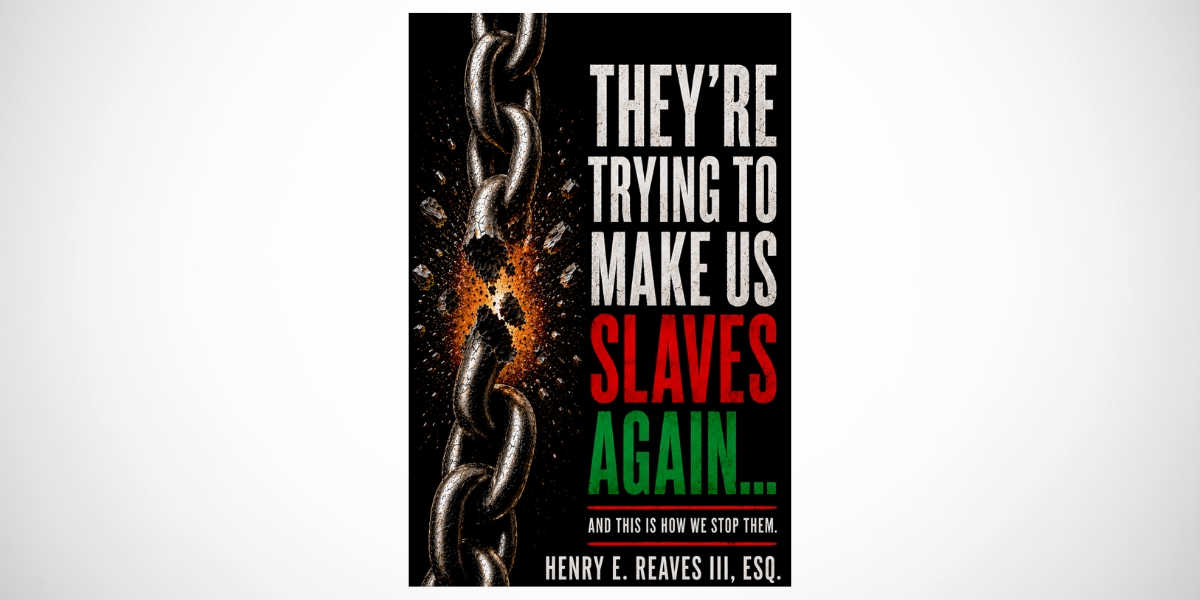
Attorney Henry E. Reaves III, Esq., has spent much of his professional life advocating for people who needed someone prepared to stand beside them, speak for them, and fight for their interests. Now, the Memphis attorney is taking that advocacy beyond the courtroom with a provocative book carrying an equally provocative title: They’re Trying to Make Us Slaves Again: And This Is How We Stop Them.
The title is intentionally confrontational, but Attorney Henry E. Reaves III, Esq stated the focus is not on literal enslavement. His published description of the book uses slavery as a framework for discussing what he sees as persistent economic, educational, political, and institutional barriers affecting Black communities and, more importantly, strategies for responding to those challenges.
For Attorney Henry E. Reaves III, Esq., identifying problems is not enough.
The central argument of the book is that communities must move from conversation to implementation. Attorney Henry E. Reaves III, Esq presents the work as a blueprint centered on economic empowerment, education, ownership, family stability, civic engagement, faith, organization, and institution-building.
That emphasis separates the book from a purely historical examination of racism or inequality. Attorney Henry E. Reaves III, Esq is interested in history, but his primary question is what people are going to do next.
The answer, in his framework, begins with unity.
Attorney Henry E. Reaves III, Esq argues that individual achievement alone cannot address structural problems affecting entire communities. Successful professionals, entrepreneurs, educators, clergy, elected officials, parents and young people must find ways to coordinate resources and build institutions capable of lasting beyond any single leader.
That message carries particular significance coming from Reaves.
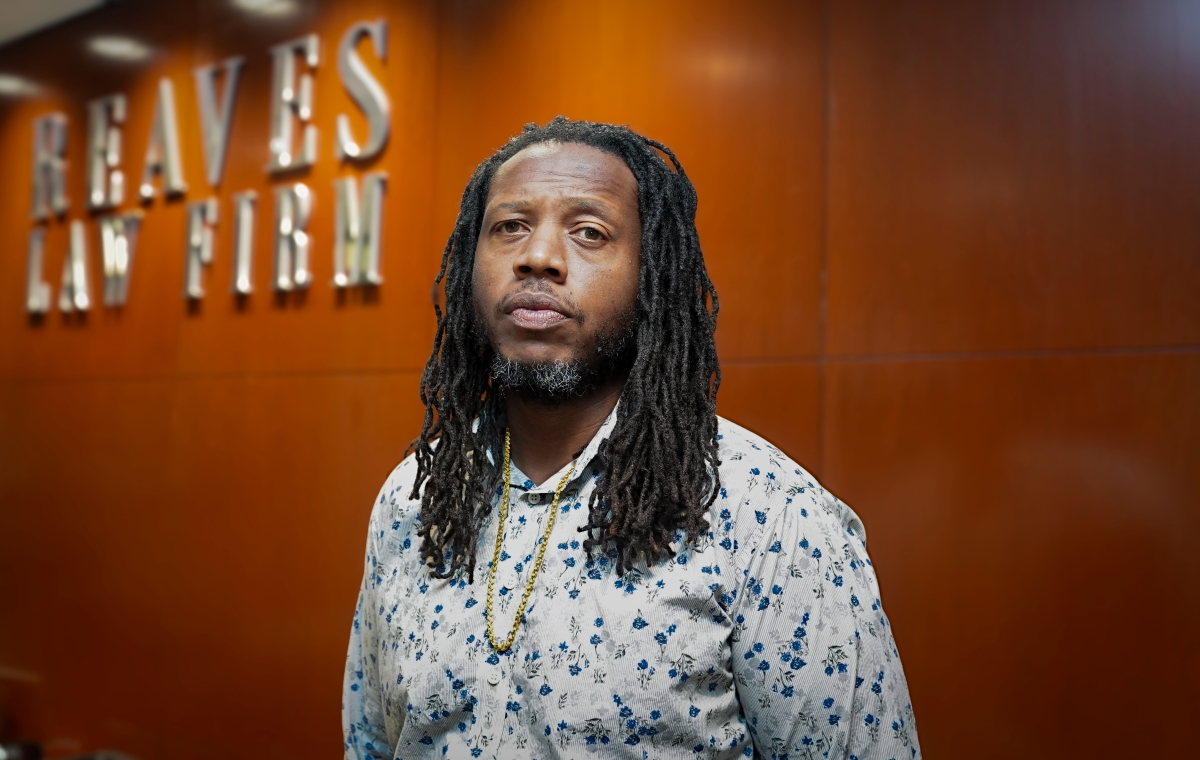
A Memphis native and U.S. Air Force veteran, Reaves founded the Reaves Law Firm, PLLC in 2011. His firm says he began as a solo attorney and subsequently built a substantial personal-injury practice serving clients across Tennessee, Arkansas, and Mississippi.
His experiences as an attorney and entrepreneur inform the book’s emphasis on ownership and organizational infrastructure.
Attorney Henry E. Reaves III, Esq understands that financial independence requires more than encouraging people to earn money. Communities also need businesses, financial literacy, employment opportunities, professional networks, and systems that allow wealth and knowledge to circulate across generations.
Education occupies another prominent place in his message.
For Attorney Henry E. Reaves III, Esq., education extends beyond classrooms and degrees. It includes understanding history, economics, government, law, and the institutions that influence everyday life. Knowledge becomes useful when people understand how to apply it to their families, businesses, and communities.
That philosophy is connected to another component of Reaves’ broader initiative: SONU, Save Our Neighborhoods United.
According to the book’s release materials, SONU was established as a community-focused organization intended to help translate principles discussed in the book into organization, leadership development, strategic planning, and measurable community action.
The book also introduces Project 2035, an initiative Reaves describes as a long-range effort focused on measurable progress in areas including wealth creation, education, entrepreneurship, civic participation and community development.
That long-term perspective is critical.
Communities facing challenges developed over generations cannot reasonably expect every problem to disappear through a single program, election, organization, or leader. Attorney Henry E. Reaves III, Esq., argues that sustainable progress requires discipline, organization, and continuity.
The shattered chain featured in the book’s imagery reinforces that theme. In the author’s framing, those chains symbolize economic, social, and political barriers rather than simply invoking the historical institution of slavery.
Attorney Henry E. Reaves III, Esq., wants readers to think beyond outrage.
What businesses can be created?
What institutions can be strengthened?
How can young people be better prepared?
How can families build assets?
How can communities become more effective participants in civic life?
And perhaps most importantly: What can people accomplish collectively that they cannot accomplish individually?
Those are the questions at the heart of They’re Trying to Make Us Slaves Again: And This Is How We Stop Them.
The book’s title may get people’s attention, but Reaves clearly wants the conversation to continue after the initial reaction.
His larger message is not simply about what has happened to Black America.
It is about what Black America can build next.